No Charging Case Needed Samsung Galaxy Ring Could Soon Recharge Straight From Your Phone
Samsung is exploring a new wireless charging method that could allow Galaxy Ring users to recharge the wearable directly through compatible smartphones without relying on a charging case.
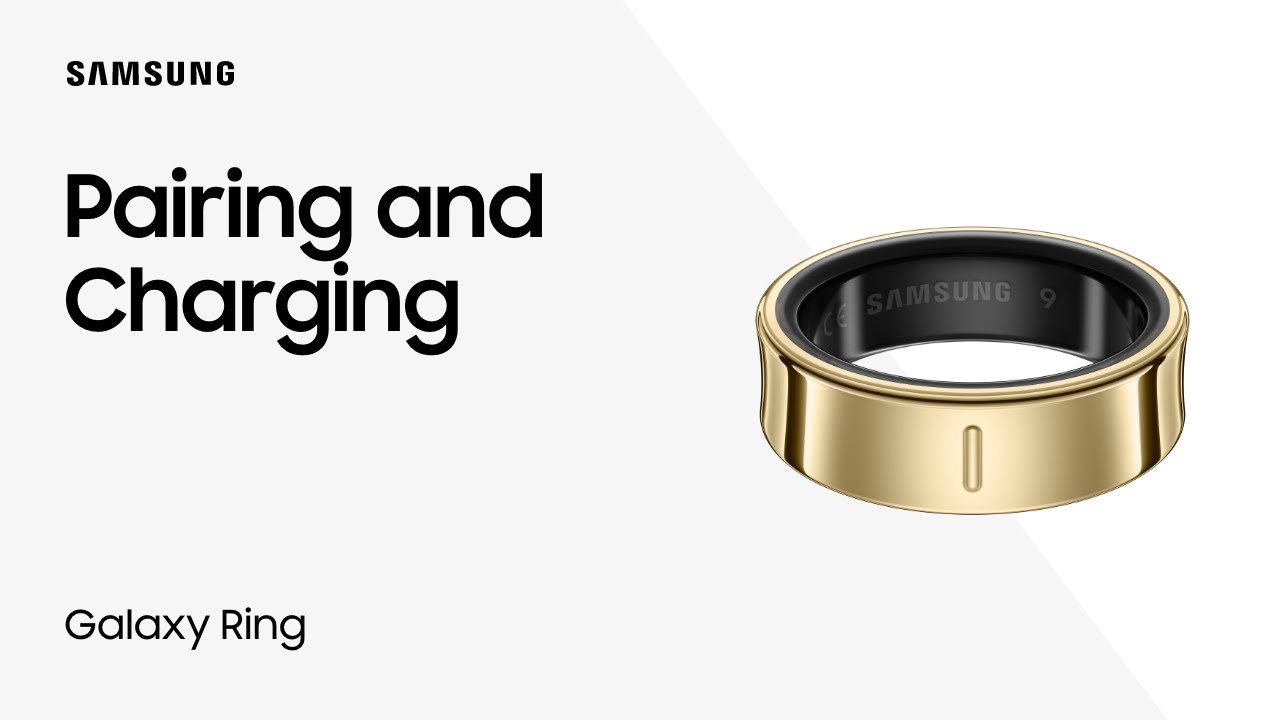
Samsung is reportedly working on a new technology that could make charging its Galaxy Ring much easier. According to a recently published patent filing with the United States Patent Office, the company is exploring a feature that would let users recharge the smart ring directly from a compatible Galaxy smartphone through reverse wireless charging.
If the concept becomes a reality, Galaxy Ring owners may no longer need to place the device inside its charging case every time the battery runs low. Instead, simply holding the phone while wearing the ring could be enough to begin the charging process, offering greater convenience for everyday use.
The patent describes a system where the smart ring continuously communicates with the smartphone. When the ring detects that its battery level is running low, it can send a signal to the paired phone. Once both devices are close enough, the smartphone could automatically activate reverse wireless charging and start transferring power to the wearable.
Bluetooth technology is expected to play a key role in the process. The phone would determine whether the ring is within the required distance before allowing charging to begin. If the ring moves too far away, the power transfer would automatically stop, helping prevent unnecessary battery drain.
Samsung is also focusing heavily on safety in the proposed system. According to the patent details, several checks would be performed before charging starts. The phone could monitor its own battery level, detect excessive heat, confirm the ring’s position, and ensure operating conditions are safe before enabling wireless power transfer.
The technology may also include smart battery management features designed to protect both devices. Temperature sensors and automatic power control could help prevent overheating while maintaining battery health during repeated charging sessions. Users may even have the option to allow charging while the phone remains locked.
Another feature outlined in the patent is real time charging information. Users could monitor the Galaxy Ring’s battery percentage directly on the smartphone screen, making it easier to track charging progress without opening a separate application or removing the wearable.
Although the patent has generated excitement among technology enthusiasts, it is important to note that this is still a patent application rather than a confirmed product feature. Technology companies frequently file patents for innovative ideas, but many of those concepts never reach commercial devices.
Even so, if Samsung eventually introduces this capability in future Galaxy smartphones and smart rings, it could significantly improve the wearable experience. Eliminating the need for a dedicated charging case would make smart rings more practical for daily use and could encourage wider adoption of wearable technology.
The proposed feature also reflects Samsung’s broader efforts to strengthen its wearable ecosystem by creating seamless interactions between smartphones and accessories. As research continues, more details are expected to emerge about whether this technology will become part of future Galaxy Ring models or remain an experimental concept.