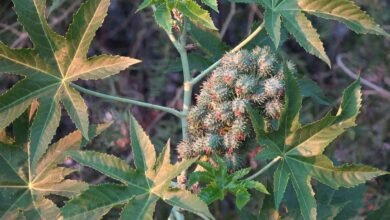
Ghee and Tulsi Morning Drink: Traditional Uses and Benefits
A morning mixture of ghee and tulsi is a traditional Ayurvedic practice that many people use for digestion, respiratory comfort and general wellness, though scientific evidence remains limited.
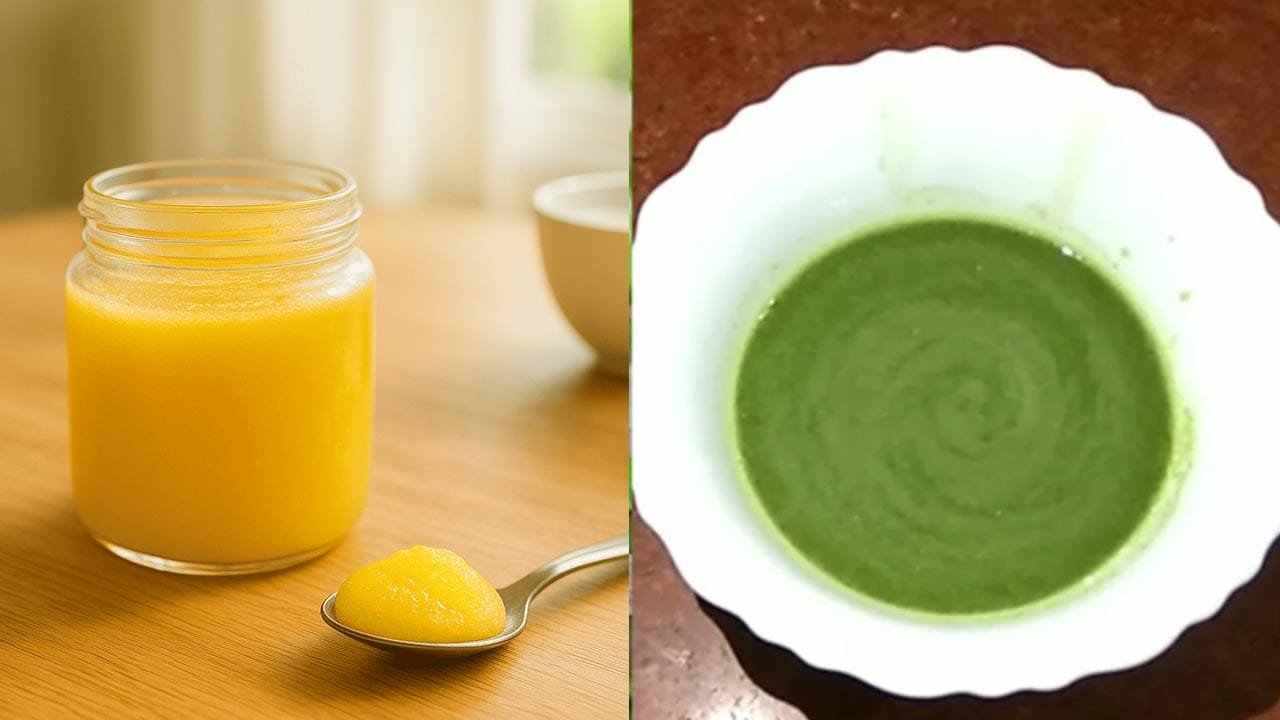
Tulsi and ghee have both held an important place in traditional Indian wellness practices for generations. A combination of the two is sometimes consumed in the morning, particularly by people who prefer traditional home remedies as part of their daily routine.
The preparation is simple. Fresh tulsi leaves are washed thoroughly and crushed to extract a small amount of juice. A teaspoon of ghee is then combined with a few drops of the tulsi juice. Some traditional practices recommend taking the mixture warm, followed by a glass of lukewarm water.
Supporters of this practice associate tulsi with its naturally occurring antioxidant and plant compounds. Tulsi has traditionally been used during seasonal coughs, colds and other minor respiratory discomfort. However, consuming tulsi with ghee should not be considered a proven treatment for respiratory infections or other medical conditions.
Digestion is another reason this combination is often discussed in traditional wellness circles. Ghee is a source of fat and can be part of a balanced diet, while tulsi has traditionally been used in preparations intended to support digestive comfort. Claims that the mixture removes toxins from the body or acts as a complete detox should be treated cautiously because the body already has natural systems for processing and eliminating waste.
Some traditional practitioners also associate ghee with joint comfort and skin nourishment. Since ghee contains dietary fat, it can contribute to overall nutrition when consumed in appropriate amounts. The belief that a small daily serving will directly improve joint lubrication or transform the skin, however, has not been firmly established through clinical research.
Ayurveda views food and herbs through the concept of balancing vata, pitta and kapha. The combination of tulsi and ghee is sometimes recommended within that traditional framework. Modern medicine, however, does not use these three doshas as a clinical method for diagnosing or treating disease.
For those who want to try this traditional preparation, cleanliness is important when handling fresh tulsi leaves. The leaves should be washed properly and the ingredients should be used in moderate quantities. People with allergies, digestive problems or dietary restrictions should be cautious, particularly if they are making significant changes to their regular diet.
It is also important not to expect immediate or dramatic health changes from this drink. A nutritious diet, adequate sleep, regular physical activity and appropriate medical care have a much stronger role in maintaining health.
The ghee and tulsi combination can therefore be viewed as a traditional morning wellness practice rather than a guaranteed remedy. Anyone with persistent symptoms or an existing medical condition should speak with a qualified healthcare professional instead of depending on this home preparation alone.