
Mystery Shark Found In Indian Waters As Scientists Discover Brand New Deep Sea Species Off Kerala
A newly identified deep sea catshark found off the Kerala coast has expanded India's marine biodiversity records and highlighted the vast number of unexplored species hidden beneath the ocean surface.
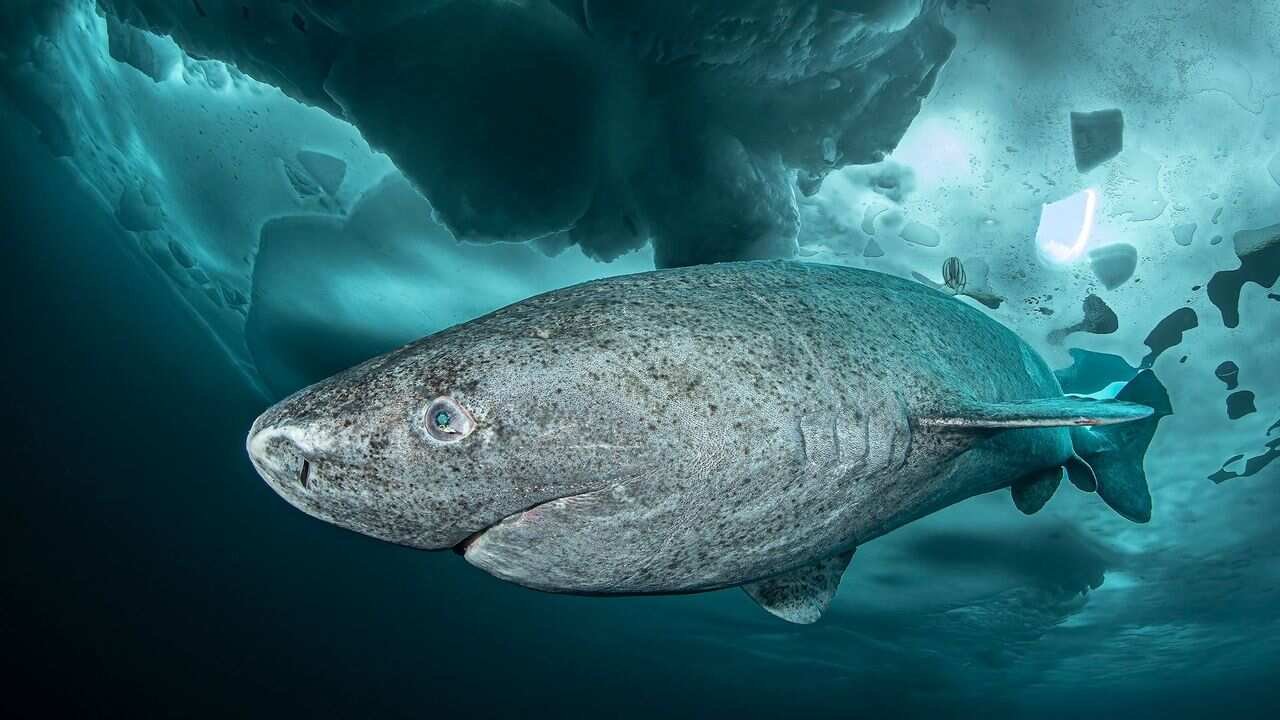
A remarkable marine discovery has added a new chapter to India’s ocean research, with scientists identifying a previously unknown species of deep sea catshark in the Arabian Sea off the Kerala coast. Officially named Apristurus drona, the newly identified shark is expected to contribute significantly to the understanding of marine biodiversity in India’s deep ocean ecosystems.
The rare shark was first found after it became entangled in fishing nets used by trawlers targeting deep sea shrimp. The catch came from waters located about 400 to 650 metres below the surface near the Kollam slope and Wadge Bank region in the southeastern Arabian Sea. Its unusual appearance immediately caught the attention of researchers, leading to detailed scientific examination.
The newly discovered species has a slender body, dark black colouration, a pointed snout and distinctive pale eyes. After the initial specimen was collected, researchers continued monitoring the region. Two years later, three more specimens were recovered, allowing scientists to carry out detailed morphological studies along with DNA analysis. The combined findings confirmed that the shark did not belong to any previously recorded catshark species.
Following extensive research, the species was officially described earlier this year in the scientific journal Zootaxa. The discovery was made as part of the Ministry of Earth Sciences Deep Ocean Mission, an initiative focused on exploring India’s deep marine environment and documenting its rich biodiversity.
Researchers say the shark has so far been recorded only from the Kollam slope and Wadge Bank region off Kerala. However, many aspects of its biology remain unknown, including its population size, habitat range, feeding behaviour, breeding patterns and overall conservation status. Scientists believe additional field studies will be necessary to better understand the species.
Catsharks play an important role in maintaining balance within deep sea ecosystems. As predators, they help regulate marine food chains and contribute to the health of underwater habitats. Understanding the ecological role of this newly identified species could provide valuable insights into how deep ocean environments function.
Marine experts also point out that changing fishing practices have contributed to such discoveries. In the past, fishing operations in the region were generally limited to depths between 200 and 400 metres. However, rising global demand for deep sea shrimp has encouraged fishing vessels to operate at depths reaching 600 metres, increasing the chances of encountering previously unknown marine organisms.
Although Apristurus drona currently has no commercial value, researchers caution that expanding deep sea fishing could pose a threat to its survival. If the species has a limited geographical distribution, excessive fishing activity could place local populations at risk before scientists fully understand their ecology.
The discovery highlights how much of the deep ocean remains unexplored. Researchers believe advances in DNA technology and continued scientific expeditions will likely reveal many more undiscovered marine species in the coming years. The identification of Apristurus drona marks another important milestone in India’s growing contribution to global marine biodiversity research and emphasizes the need to protect fragile deep sea ecosystems.