
How Polymer Currency Notes Are Made Using Advanced Security Technology
India is preparing to test polymer currency notes built with advanced security technology and durable plastic materials designed to last much longer than traditional paper banknotes.
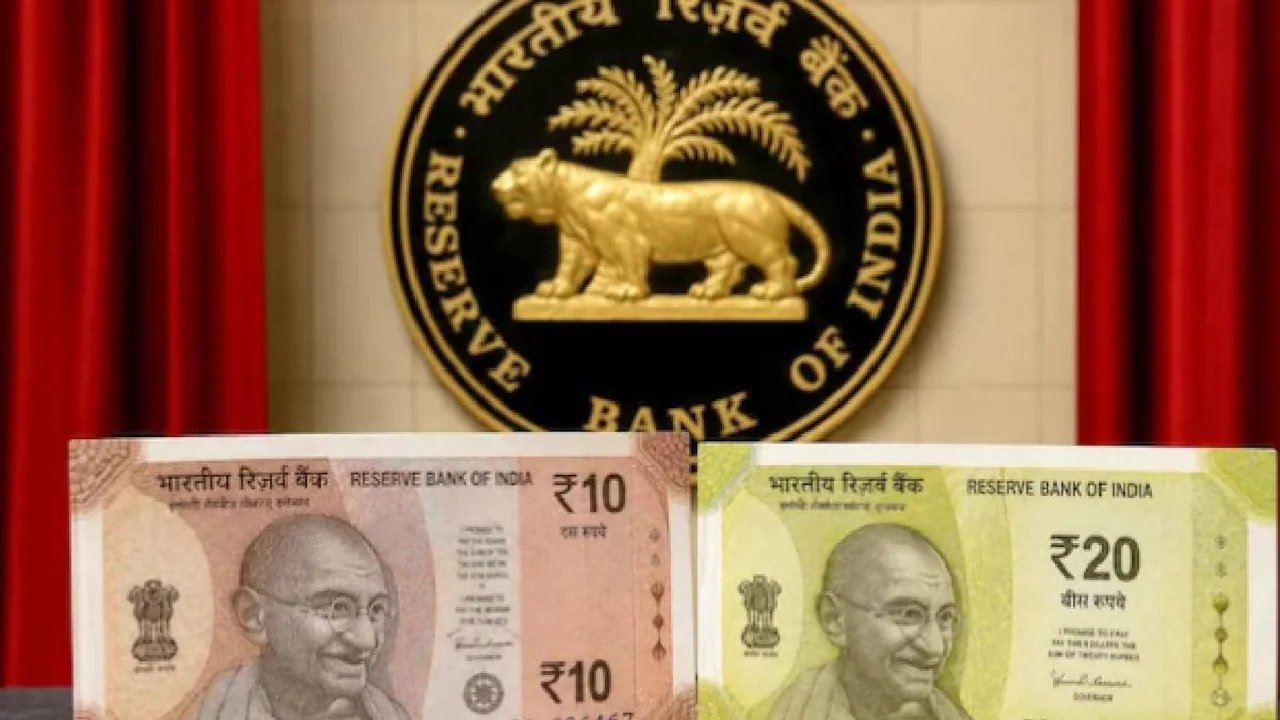
India is preparing to begin trials of Rs 10 and Rs 20 polymer currency notes after receiving approval from the Government of India and the Reserve Bank of India. The move has generated curiosity about how these plastic based banknotes are manufactured and why many countries have adopted them instead of traditional paper currency.
Unlike conventional paper notes, polymer banknotes are produced using advanced materials and specialized manufacturing techniques. Their design focuses on increasing durability while making counterfeiting significantly more difficult. These notes are also built to withstand daily wear and tear, offering a longer service life than paper currency.
The foundation of a polymer note is a transparent material known as Biaxially Oriented Polypropylene, commonly called BOPP. This plastic substrate does not contain fibers or pores, which means it does not absorb water, sweat or dirt. As a result, polymer notes remain cleaner and are less likely to become damaged during regular use.
One of the most noticeable features of polymer currency is the transparent window built into the note. This clear section serves as an important security feature because it is extremely difficult to reproduce using standard scanners or printers. Manufacturers also include technologies such as diffraction gratings and optically variable devices, which create color and pattern changes when the note is viewed from different angles.
The production process begins with the creation of transparent BOPP sheets. Currency designs, portraits and other official details are then printed on both sides of the sheet using high precision printing techniques. After the printing stage, the sheets move through a foiling process where security foil strips and protective elements are applied to strengthen authentication features.
Once the printing and foiling stages are completed, the notes undergo ultraviolet treatment. A protective coating is then added to preserve the printed ink and improve resistance against fading, scratches and daily handling. Large printed sheets are finally cut into individual banknotes using precision cutting equipment before they are prepared for distribution.
Before entering circulation, every batch of polymer notes goes through extensive quality testing. The notes are checked for durability, print accuracy and compatibility with automated systems such as ATMs and cash counting machines. These tests ensure that the currency performs reliably in real world banking and commercial environments.
The journey of polymer currency began in Australia, where scientist David Solomon played a key role in developing the technology. Work on the project started in response to a request from the Reserve Bank of Australia, and the country’s first polymer banknote was introduced in 1988. By 1996, Australia had replaced its entire paper currency with polymer notes, becoming the first nation to complete such a transition. Several other countries later adopted the same technology, including the United Kingdom, which introduced its first polymer five pound note featuring Winston Churchill in 2016.
Traditional paper banknotes are manufactured using cotton fibers and other natural materials, along with embedded security threads. While these notes have served reliably for decades, polymer currency offers several practical advantages. It is waterproof, more resistant to tearing, lasts around two and a half times longer than paper notes and maintains its appearance even after extended circulation.
As India prepares to evaluate polymer currency through pilot trials, the initiative could mark an important step toward more durable and secure banknotes. If the trials prove successful, the technology may help reduce replacement costs while improving the lifespan and security of everyday currency used across the country.