Electric Cars At Nearly Half The Price With Up To 421 Km Range
Get up to 421 km of claimed range with select electric cars as Battery as a Service lowers upfront costs and brings affordable EV options closer to Indian buyers.
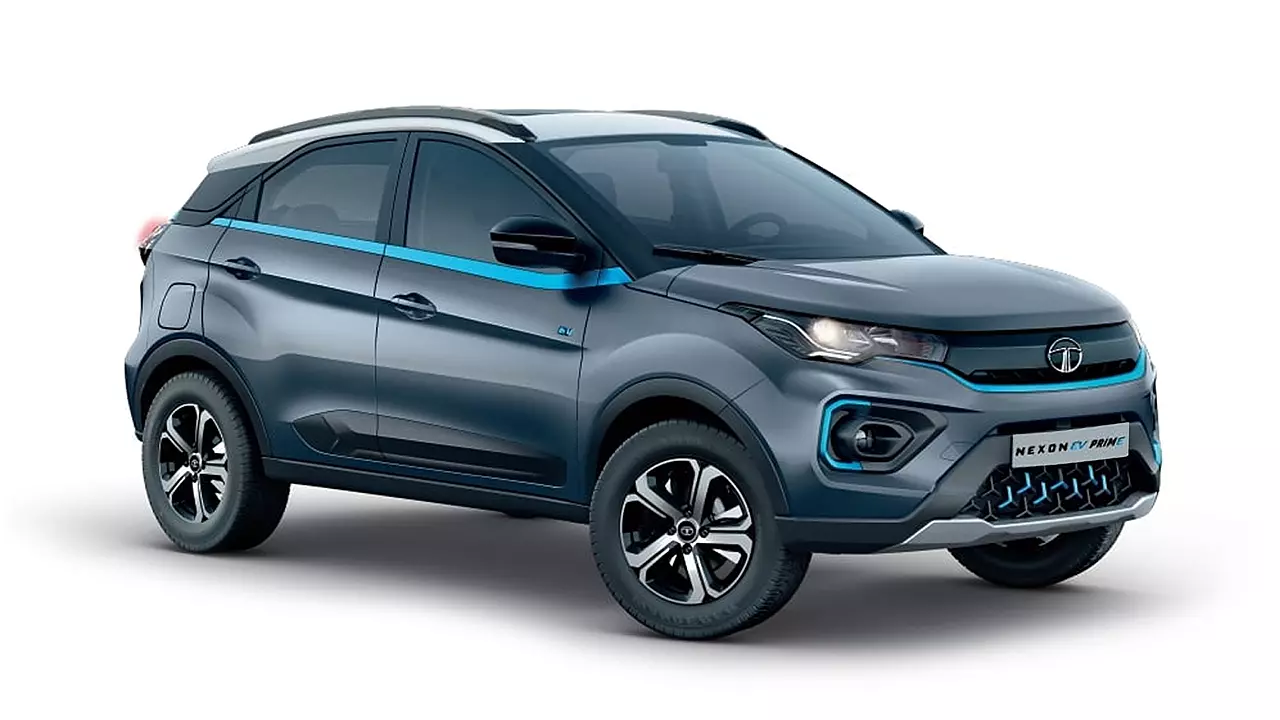
Battery Subscription Plans Bring Electric Cars Closer To Budget Buyers In India
Battery As A Service Changes EV Pricing
Electric cars are becoming increasingly accessible in India as manufacturers explore new ways to reduce the initial purchase cost. One model gaining attention is Battery as a Service, commonly known as BaaS, where customers pay separately for battery usage through subscription or usage based plans instead of purchasing the battery outright.
Since the battery represents a major portion of an electric vehicle’s overall cost, separating the battery expense from the vehicle price can significantly reduce the amount customers need to pay at the time of purchase. This approach is particularly attracting buyers who want an electric car without making a large upfront investment.
Several affordable electric cars are now being offered under such pricing structures. These models cater to different requirements, ranging from compact city driving to customers looking for an SUV style electric vehicle with a longer driving range.
Tata Punch EV Offers Up To 421 Kilometres Of Range
For customers looking for an electric vehicle with an SUV inspired appearance and a strong driving range, the Tata Punch EV is one of the notable options in this segment. Under the BaaS plan, its starting price is listed at Rs 6.49 lakh, compared with a conventional ex showroom starting price of Rs 9.69 lakh.
The Punch EV is offered with 25 kWh and 35 kWh battery options. Depending on the battery configuration, the vehicle can deliver a claimed driving range of up to 421 kilometres. This makes it an interesting option for buyers who want an electric vehicle that can handle regular city travel while also offering a longer claimed range for occasional extended journeys.
The cabin comes with several convenience and technology features, including ventilated seats, a sunroof and a digital driver display. Safety equipment includes six airbags, an ADAS safety system and blind spot monitoring, giving the model a well equipped package for buyers looking beyond basic electric mobility.
Citroen EC3 Focuses On Space And Practicality
The Citroen EC3 is another electric car positioned for customers who want a spacious cabin, generous ground clearance and a more rugged design. Its starting price under the BaaS arrangement is stated at Rs 8.49 lakh, while the regular ex showroom price begins at Rs 11.99 lakh.
The model uses a 29.2 kWh battery pack and offers an ARAI certified range of 320 kilometres on a full charge. Its equipment list includes a 10.2 inch infotainment system, wireless connectivity and a digital instrument display, giving occupants access to modern features for everyday use.
For safety, the EC3 comes with six airbags, electronic stability control and a tyre pressure monitoring system. Its combination of cabin space and higher ground clearance could appeal to customers who want an electric vehicle that feels practical for both urban travel and different road conditions.
Tata Tiago EV Remains A Budget Friendly Choice
The Tata Tiago EV continues to stand out among affordable electric hatchbacks. With the BaaS pricing structure, its starting price is listed at Rs 4.69 lakh, while the standard ex showroom price starts at Rs 6.99 lakh. The lower entry price under the battery service model could make it particularly attractive to buyers entering the electric vehicle market for the first time.
The Tiago EV is available with 19.2 kWh and 24 kWh battery options. Its claimed MIDC range can reach up to 293 kilometres, depending on the battery configuration. For many urban users, this range can provide enough flexibility for regular commuting and everyday errands without requiring frequent charging.
Despite its affordable positioning, the car offers several features aimed at improving everyday convenience. These include a 10.25 inch touchscreen, wireless smartphone connectivity, cruise control and a wireless charger. Safety features include six airbags, a 360 degree camera and electronic stability control.
MG Comet EV Targets Urban Commuters
The MG Comet EV takes a different approach by focusing primarily on city driving. Its compact dimensions can make it easier to manoeuvre through congested streets and park in tight spaces. Under the BaaS model, its starting price is listed at Rs 4.99 lakh, while the regular ex showroom price begins at Rs 7 lakh.
The Comet EV uses a 17.3 kWh battery pack and offers a claimed driving range of up to 230 kilometres on a single charge. Its compact size and range make it particularly suited to short daily commutes, routine shopping trips and other urban journeys.
Inside the cabin, the car gets two 10.25 inch digital screens along with MG’s iSmart connected technology. Other equipment includes dual airbags, ABS, EBD and a rear parking camera. The combination of its small footprint and connected features gives the Comet EV a distinct position among city focused electric cars.
Battery Subscription Could Influence EV Buying Decisions
The growing use of the BaaS model could make electric vehicles more approachable for customers who are primarily concerned about high purchase prices. Instead of paying for the complete vehicle and battery together, buyers can access a lower initial vehicle price while paying separately for battery usage.
However, customers should look beyond the advertised starting price before choosing such a plan. Subscription charges, usage costs, contract conditions and overall ownership expenses can vary depending on the service provider and the terms of the particular plan.
For buyers who regularly drive within cities, the MG Comet EV may appeal to those who prioritise compact dimensions and easy manoeuvrability. The Tata Tiago EV offers a more conventional hatchback format with a higher claimed range, while the Tata Punch EV could attract customers looking for greater range and SUV styling. The Citroen EC3, meanwhile, focuses more strongly on cabin space, ground clearance and everyday practicality.
The arrival of alternative battery ownership models signals a broader change in India’s electric vehicle market. As battery costs, charging infrastructure and ownership plans continue to evolve, lower upfront vehicle prices could encourage more consumers to consider making the switch from conventional petrol and diesel cars to electric mobility.
For prospective buyers, the key is to compare the complete ownership cost rather than focusing only on the initial price. The battery subscription fee, expected annual driving distance, charging expenses, warranty terms and duration of ownership can all influence whether a BaaS plan offers genuine savings over the long term.