BIS Rule for Phone Screen Protectors Starts in April 2027
Phone screen protectors will come under mandatory BIS registration from April 2027, bringing quality standards for glass protectors while raising questions about prices and product availability.
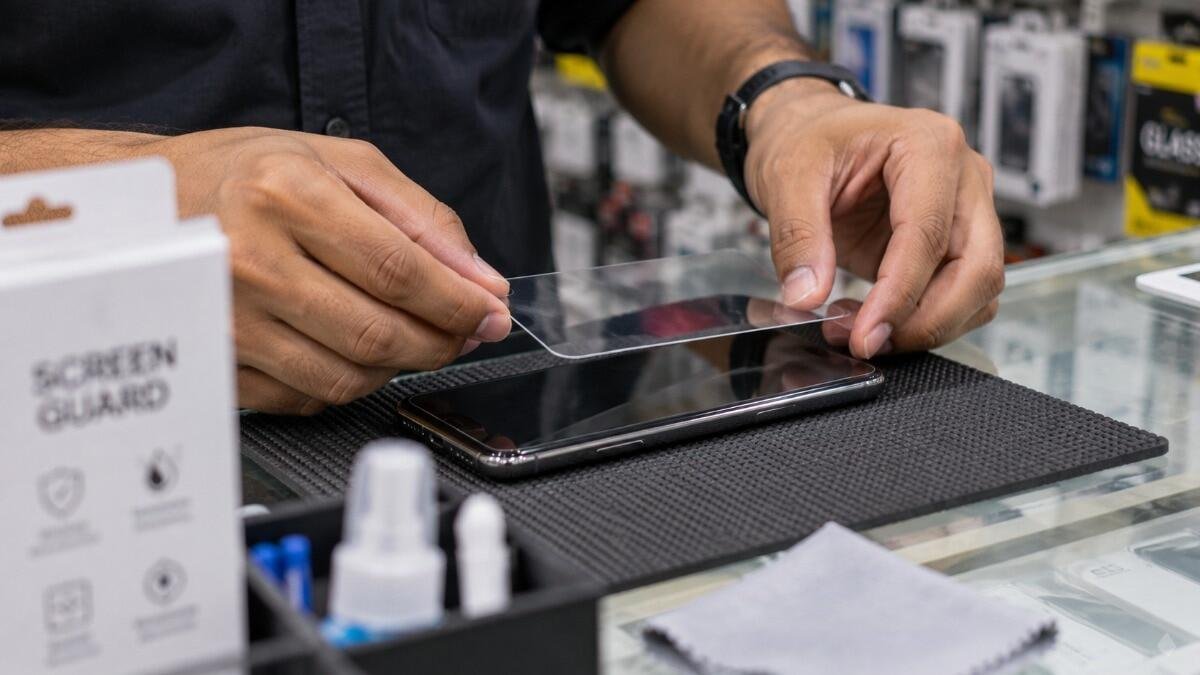
Buying a screen protector is a routine decision for smartphone users, but the accessory market in India is now heading for a major regulatory change. From April 1, 2027, smartphone screen protectors covered by the new order will have to meet the specified Indian Standard and comply with the BIS registration framework.
The new requirement comes under the Electronics and Information Technology Goods Requirement of Compulsory Registration Order. The government has added smartphone screen protectors to the list of products covered by the framework, with IS 19348:2025 listed as the applicable standard.
For consumers, the immediate question is whether the familiar low priced tempered glass products will disappear from shops. The new rule does not simply announce a blanket ban on cheap screen protectors. Instead, manufacturers and importers will have to ensure that covered products meet the required standard before they can be sold through the Indian market.
The BIS standard is officially titled Glass Screen Protector Specification. BIS lists IS 19348:2025 as a product specification for glass screen protectors and identifies tempered glass and chemically strengthened glass among the terms associated with the standard.
The rules will apply to products coming from outside India as well as those manufactured domestically. This means imported screen protectors will also have to meet the Indian requirements if they are to be sold in the country after the implementation date.
The change is significant because a large portion of the screen protector market currently depends on imported products. Reports have highlighted the heavy dependence on imports, particularly from China, although the government notification itself does not establish a specific percentage for imports.
The new system could therefore encourage more domestic production. Indian manufacturers that can meet the required specifications may find greater opportunities as importers and brands adjust their supply chains to comply with the new framework.
Another important point is that the government has provided businesses with time to prepare. The requirement does not begin immediately. The BIS website lists April 1, 2027 as the implementation date for glass screen protectors under IS 19348:2025.
The standard is expected to bring greater consistency to the market. Current screen protectors can differ considerably in thickness, material quality, clarity, strength and finishing. The new framework introduces a formal Indian standard covering the relevant product requirements.
For buyers, this could make it easier to distinguish compliant products from those that do not meet the required standard. Once the rules take effect, manufacturers and importers covered by the order will have to follow the applicable BIS registration process.
The bigger question is price. Certification involves testing and compliance work, which can increase costs for manufacturers and importers. Some industry observers therefore expect at least part of those expenses could eventually reach consumers.
However, there is currently no government announcement stating that screen protectors will become more expensive by a particular amount. Reports about possible price increases should therefore be treated as an expected market effect rather than a confirmed retail price change.
This also means that consumers should not assume every screen protector will suddenly become expensive from April 2027. Competition between manufacturers could continue, and the final prices will depend on production costs, certification expenses, imports, distribution and retailer margins.
The rule could have a different effect on very low cost products. If a manufacturer cannot justify the additional cost of testing and registration for extremely cheap products, some of those products may disappear from the organised market or be replaced by compliant alternatives.
At the same time, established brands and domestic manufacturers may benefit from clearer quality requirements. A common standard can reduce uncertainty for businesses and give consumers more information about the products they are buying.
The move is also part of a wider effort to bring more electronic products under formal quality and registration requirements in India. BIS already operates compulsory registration systems covering several categories of electronic and information technology products. Smartphone screen protectors have now been added to that framework.
For now, consumers do not need to change their buying habits immediately because the new requirement will take effect in April 2027. The transition period gives manufacturers and importers several months to prepare their products and supply chains.
When the rules become effective, products covered by the notification will need to conform to IS 19348:2025 and meet the applicable BIS registration requirements. This could gradually change the range of screen protectors available in mobile shops and online marketplaces.
The main impact will therefore be on quality control and compliance rather than an officially announced price hike. Whether customers eventually pay more will depend on how manufacturers, importers and retailers absorb the additional costs.
For smartphone users, the change could mean fewer unregulated products and a more standardised market. At the same time, buyers may notice changes in product choices and pricing as companies adjust to the new requirements.