
AI Content Will No Longer Hide EU Brings Strict Rules to Expose Deepfakes and Fake Media
Europe introduces strict AI transparency laws requiring clear labels on AI generated content and deepfakes.
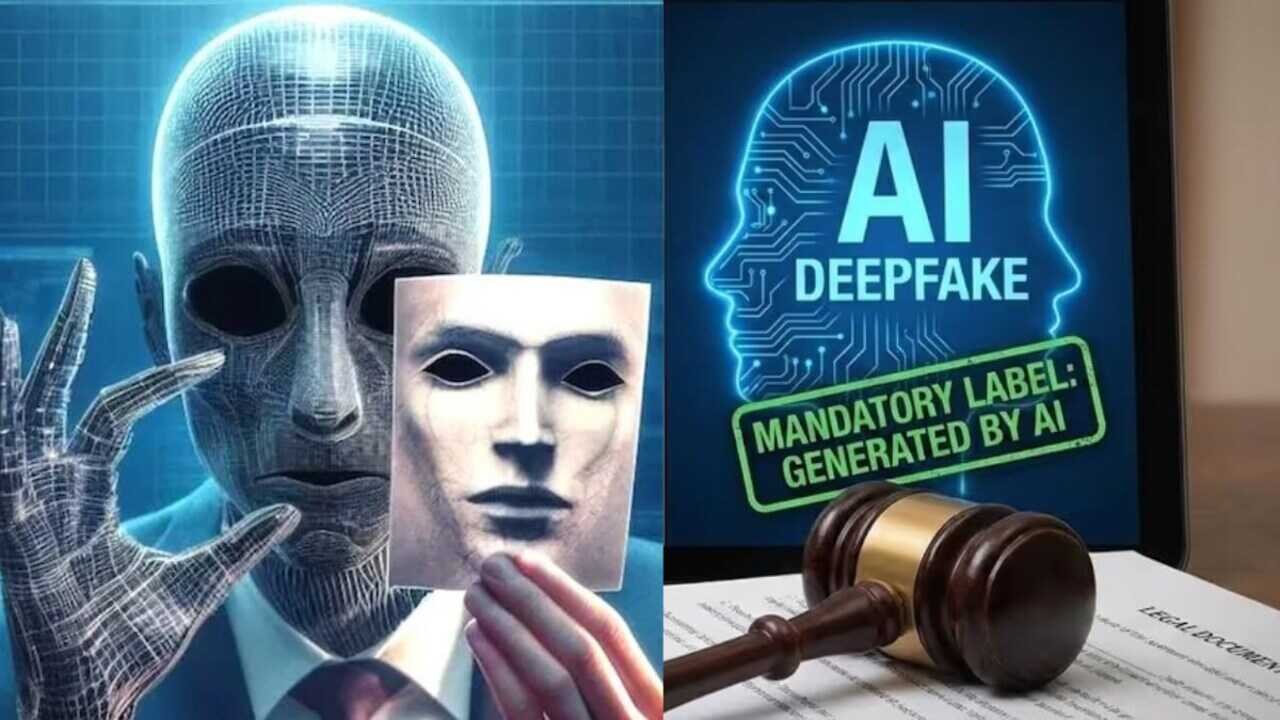
Artificial intelligence generated content is entering a new phase of regulation as governments around the world focus on transparency, misinformation and digital safety. The European Union is set to introduce stricter AI transparency rules from August 2, 2026, making it mandatory for companies to clearly identify AI created or modified content.
Under the new framework, users must be informed whenever they are interacting with an AI system such as a chatbot, AI agent or digital avatar. The rules aim to help people distinguish between human created content and material generated or altered using artificial intelligence.
The European Union’s move comes as AI tools become increasingly capable of producing realistic images, videos, audio clips and written content. Authorities believe that without proper identification, such technology could make it easier to spread deepfakes, fake information and misleading digital material.
According to the new requirements, AI generated or edited photos, videos, audio files and text content must include clear identification marks. Platforms using generative AI systems will also need to ensure that AI produced content carries machine readable information so automated systems can recognize it.
A major focus of the regulations is preventing the misuse of deepfake technology. Content involving public interest topics, including AI generated news material or manipulated media, will need proper disclosure. If users are communicating with an AI powered service, the platform must clearly inform them that they are not interacting with a real person.
Companies that fail to follow these transparency requirements could face significant penalties. Under the EU AI Act, violations may result in fines of up to 15 million euros or 3 percent of a company’s annual global turnover, depending on the severity of the breach.
However, the European Union has included certain exceptions to protect creative freedom. AI usage in artistic, fictional, creative and satirical works may follow flexible disclosure methods as long as users are not misled. Content created before August 2, 2026, will not face retroactive application of these rules, although the European Commission has encouraged voluntary labeling.
China has already adopted strict measures for AI generated content and requires clear labeling of AI created images, videos, audio and text. AI service providers in the country must also follow security checks and government regulations related to technology use.
South Korea is also strengthening its approach toward AI misuse, especially in cases involving election related deepfakes, criminal activities and harmful manipulated content. The country has been focusing on making AI generated material easier to identify.
The United States currently does not have one nationwide AI law covering all areas. Instead, several states have introduced their own rules related to deepfakes, election content and AI based fraud. Federal authorities are also working on broader guidelines related to AI safety and transparency.
Russia does not currently have a separate comprehensive AI law, but authorities use existing cybercrime and media regulations to address issues involving misinformation, deepfakes and national security concerns. The country is also exploring additional rules for monitoring AI usage.
India currently does not have an AI law similar to the European Union’s AI Act. However, several existing regulations govern AI related activities, including information technology rules, the Digital Personal Data Protection Act 2023 and provisions under the Bharatiya Nyaya Sanhita 2023.
Recent updates in India’s technology regulations have increased attention on labeling AI generated images, videos and audio content. Online platforms are expected to take action against deepfakes and misleading AI material within specified timelines. Digital metadata and source tracking mechanisms are also becoming important tools for identifying AI generated content.
Experts believe that the global push for AI transparency reflects growing concerns about trust in the digital world. As AI tools become more advanced and accessible, governments are trying to balance innovation with the need to protect users from fake information, identity misuse and digital manipulation.
The new European rules could influence future AI policies in other regions, including India, as countries continue to search for ways to manage the opportunities and challenges created by rapidly evolving artificial intelligence technology.