Why Regular Handwashing Is Important and the Right Way to Do It
Learn why regular handwashing is essential for preventing germs, reducing infection risks and maintaining better health with simple hygiene habits.
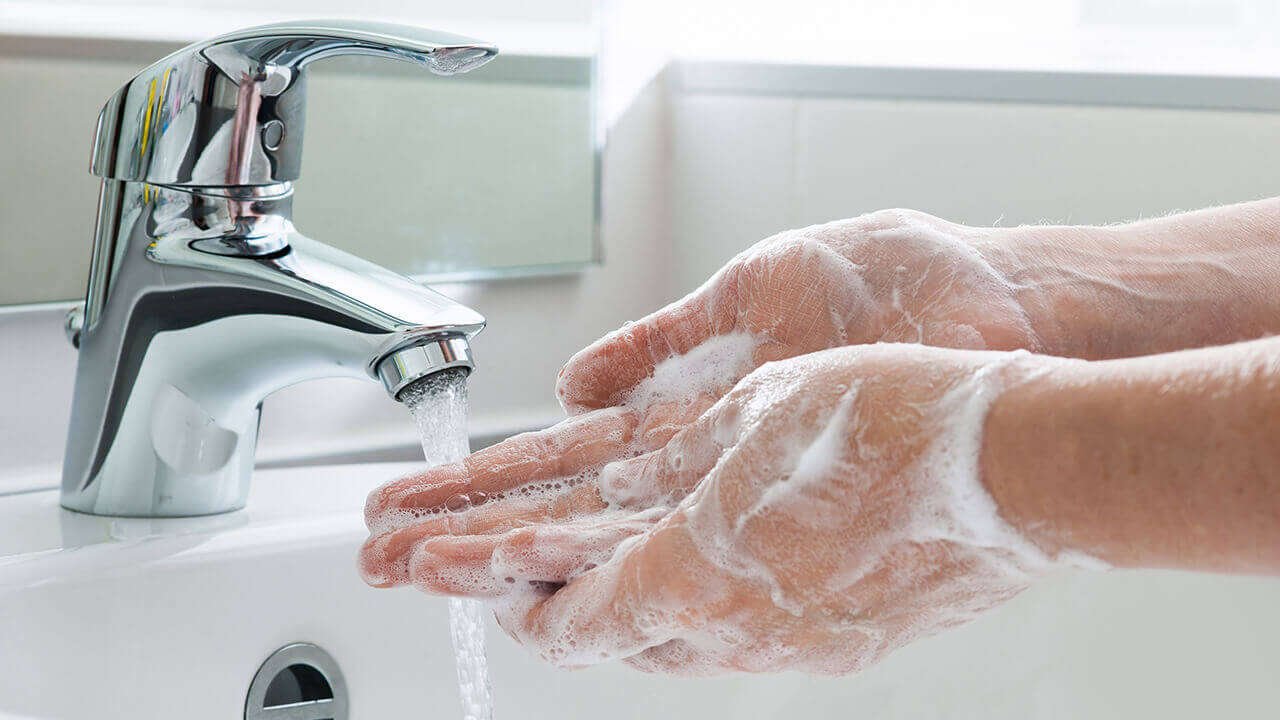
Handwashing is one of the simplest habits that can have a major impact on overall health. In daily life, hands come in contact with countless surfaces such as mobile phones, door handles, money and public objects. These surfaces may carry bacteria, viruses and other germs that can easily transfer to our hands.
The risk increases when people touch their eyes, nose or mouth with unclean hands or eat food without washing them properly. Harmful germs can enter the body and may lead to health problems such as cold, flu, stomach infections, diarrhoea and food poisoning. Maintaining clean hands is therefore an important step in preventing the spread of infections.
Although washing hands seems like a small routine, doing it correctly makes a big difference. Simply rinsing hands with water is not enough because germs can remain on different areas of the hands. A proper handwashing method helps remove unwanted bacteria and keeps both individuals and those around them safer.
According to the Centers for Disease Control and Prevention, hands should first be wet with clean running water before applying soap. The soap should be rubbed thoroughly on both palms, the back of the hands, areas between fingers, under the nails and around the thumbs. Hands should be scrubbed for at least 20 seconds before being rinsed properly with clean water and dried using a clean towel or air dryer.
When soap and water are not available, a hand sanitizer containing at least 60 percent alcohol can be used. The sanitizer should be applied across all parts of the hands and rubbed until they become dry. However, if hands have visible dirt or grease, washing with soap and water remains the preferred option.
There are several situations when handwashing becomes especially important. Hands should be cleaned before preparing food, before eating and after completing cooking activities. Washing hands after using the toilet, changing a baby’s diaper and before or after caring for someone who is sick is also necessary.
People should also make it a habit to wash their hands after coughing, sneezing or cleaning their nose. Handling garbage, touching animals or their food, and cleaning wounds or changing bandages are other situations where proper hand hygiene is important.
Regular handwashing is not only a personal health practice but also a way to protect families and communities. By following simple hygiene steps every day, people can reduce the chances of spreading infections and maintain a healthier lifestyle.