Why Oral Health Matters Before Pregnancy Planning Experts Highlight A Common Daily Mistake
Experts say couples preparing for pregnancy should not ignore oral hygiene because healthy gums and teeth may support fertility reduce infections and help avoid dental complications during pregnancy.
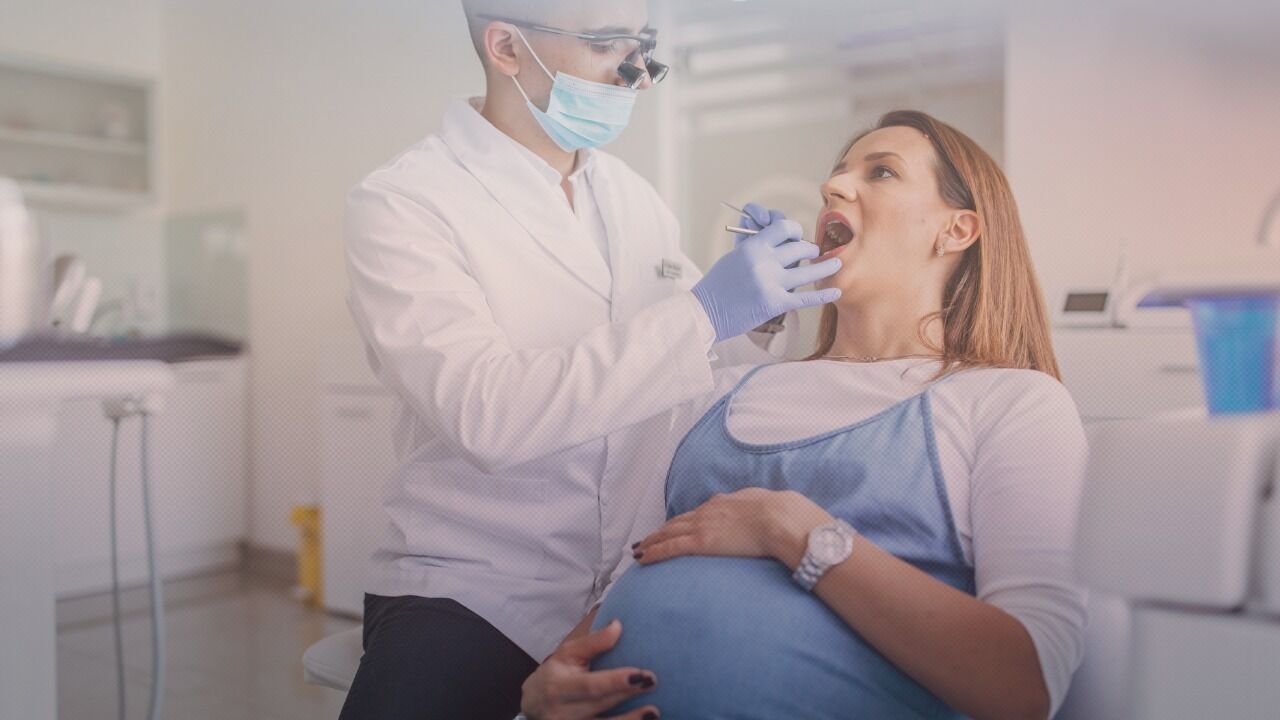
Couples planning to start a family often focus on healthy eating, stress management and proper sleep. However, dental experts say one important aspect is frequently overlooked. Maintaining good oral hygiene before pregnancy may play a significant role in overall reproductive health and could help reduce complications later.
According to dental specialists, unhealthy gums and untreated oral infections can trigger chronic inflammation in the body. This ongoing inflammation may affect hormonal balance and has been linked to reduced fertility in both men and women. Experts therefore recommend including a dental checkup as part of every pregnancy planning routine rather than waiting until problems appear.
For women, oral health becomes even more important during pregnancy because hormonal changes can make the gums more sensitive. If gum disease or other dental issues already exist before conception, they may become more severe after pregnancy begins. Since certain dental procedures, X rays and medications may be limited during pregnancy, completing necessary treatment beforehand is considered the safer option.
Researchers have also found that oral health is not only a concern for women. Studies suggest that severe gum disease may negatively affect sperm quality in men. Specialists believe bacterial infections and long term inflammation associated with unhealthy gums could influence reproductive health, making dental care important for both partners.
One common mistake many people make is relying on toothpicks to remove food stuck between their teeth. Dentists warn that toothpicks can damage delicate gum tissue and increase the risk of irritation. Instead, they recommend daily flossing as a safer and more effective way to clean areas that a toothbrush cannot reach.
Flossing helps remove trapped food particles and plaque from between the teeth, reducing bacterial growth and lowering the risk of cavities and gum disease. Regular flossing, combined with proper brushing, supports healthier gums and can prevent infections that may otherwise spread through the body.
Experts also advise brushing twice a day with fluoride toothpaste and using a soft bristled toothbrush. Brushing too aggressively can harm the gums, so gentle cleaning techniques are encouraged. A balanced diet rich in vitamins including Vitamin C, Vitamin A and Vitamin B also supports healthy teeth and gums.
People experiencing bleeding gums, persistent bad breath or tooth pain should not ignore these warning signs. Dental professionals recommend seeking treatment before trying to conceive, as resolving oral health issues early can make pregnancy safer and more comfortable.
Health experts stress that preparing for pregnancy involves much more than nutrition and lifestyle changes. Giving equal attention to oral hygiene, scheduling a preventive dental examination and following daily dental care habits can contribute to better overall health for both parents while supporting a healthier pregnancy journey.