Why Luxury Hotels Use Glass Bathrooms The Smart Design Strategy Behind the Trend
Glass bathrooms in modern hotels are not designed only for style but also improve space lighting maintenance efficiency and guest experience while offering practical privacy solutions when needed.
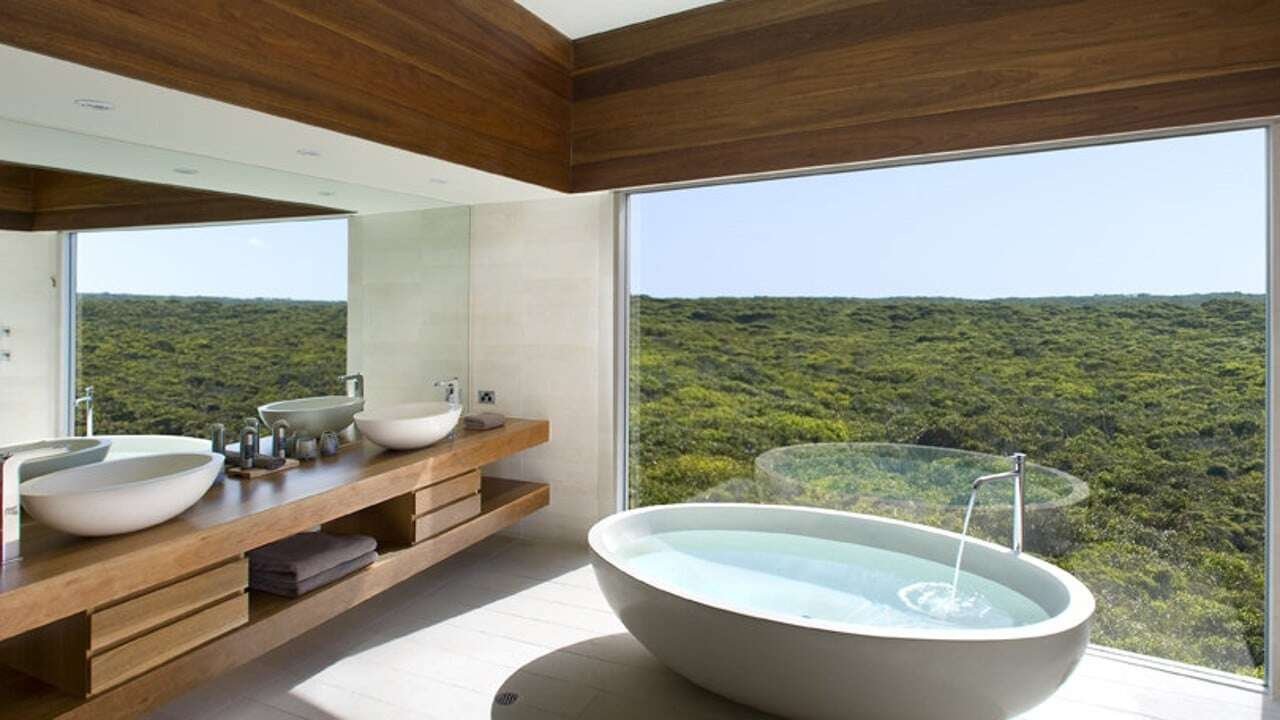
Anyone who has stayed in a modern luxury hotel has probably noticed one unusual design trend. Instead of traditional brick walls, many hotel rooms now feature bathrooms enclosed with transparent glass panels. While this design may seem surprising at first, especially for families or first time guests, architects and hotel designers say there is much more to it than creating a stylish appearance.
Many people assume that glass bathrooms are introduced only to create a romantic atmosphere. However, hospitality experts explain that the concept is driven by several practical reasons, including efficient space management, lower maintenance costs, improved lighting and an enhanced guest experience. The trend has become increasingly common in premium hotels across the world because it combines modern aesthetics with functional benefits.
One of the biggest reasons hotels choose glass walls is to make compact rooms appear larger. In major cities where hotel rooms are often limited in size, thick concrete walls can make interiors feel cramped. Transparent glass creates a visual connection between the bathroom and the bedroom, giving the impression of a more spacious and open environment without increasing the actual room size.
Natural lighting is another important advantage. Since sunlight from the room’s windows can easily pass through the glass, the bathroom receives more daylight during the morning and afternoon. This reduces the need for artificial lighting during the day, helping hotels lower electricity consumption while also creating a brighter and more welcoming atmosphere for guests.
Maintenance is another factor that makes glass bathrooms attractive for hotel operators. Traditional walls are more likely to develop moisture stains, peeling paint, cracks or mold over time, particularly in humid environments. Glass panels are much easier to maintain because they can be cleaned quickly with standard glass cleaning products, allowing them to retain their polished appearance with minimal effort.
Safety is also considered in the design process. In certain emergency situations, such as when a guest slips, faints or experiences a medical problem inside the bathroom, glass enclosures can make it easier for others to notice that something is wrong and respond more quickly. This added visibility may prove valuable in situations where immediate assistance is needed.
Hotel operators also point to security benefits. Transparent bathroom walls can discourage the theft of hotel items, as they reduce hidden spaces where guests might attempt to conceal property before leaving. While this is not the primary purpose of the design, it is considered an additional operational advantage.
Despite the transparent appearance, privacy has not been ignored. Most modern hotels provide curtains, blinds or sliding privacy screens that guests can use whenever they want complete privacy. Some high end properties have gone a step further by installing smart glass technology. With the press of a switch, the transparent glass instantly turns opaque, giving guests privacy without changing the room layout.
Interior designers say the use of glass also helps create a cleaner and more luxurious look. The sleek surfaces complement contemporary furniture, soft lighting and minimalist interiors, giving hotel rooms a premium feel that appeals to both business and leisure travelers.
The growing popularity of glass bathrooms reflects a combination of design innovation and practical thinking. Rather than being introduced solely for visual appeal, they help maximize available space, improve lighting, simplify maintenance, enhance safety and deliver a modern guest experience. As hotel architecture continues to evolve, this design is expected to remain a common feature in upscale accommodations around the world.