
Why Cancer Treatment Causes Hair Loss and What Patients Should Know About Recovery
Hair loss is a common side effect of chemotherapy during cancer treatment. Experts explain why it happens, when hair grows back and how patients can manage it.
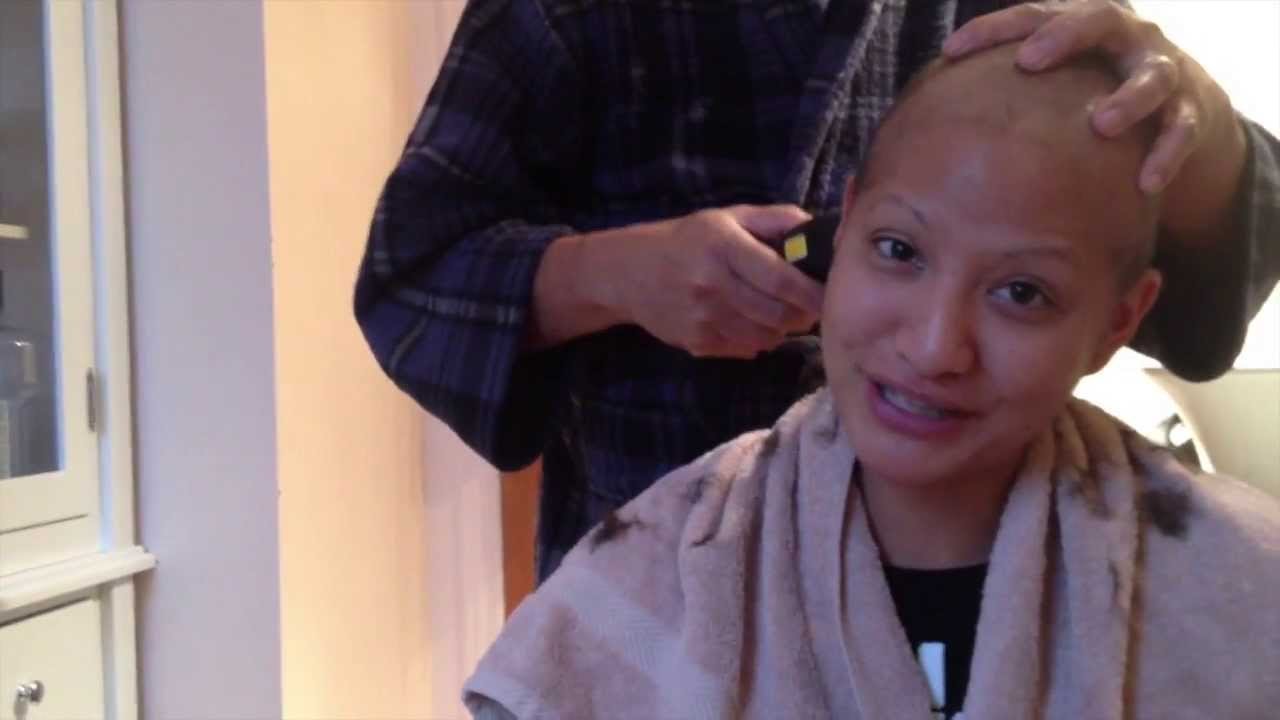
Cancer treatment has improved significantly with advances in medical science, helping many patients fight the disease more effectively. However, some treatments can bring temporary side effects, and hair loss is one of the most noticeable changes experienced by many people undergoing chemotherapy.
While most patients know that chemotherapy can cause hair fall, many are unaware of the scientific reason behind it. Experts explain that the effect is linked to the way chemotherapy works inside the body.
Dr J B Sharma, Director at Action Institute of Medical Oncology and Immunotherapy, Action Cancer Hospital, Delhi, explains that chemotherapy is designed to destroy rapidly growing cancer cells. However, some healthy cells that also grow quickly can be affected during the process. Hair follicles contain fast growing cells, which is why hair loss becomes a common side effect during treatment.
Hair fall usually begins around two to three weeks after chemotherapy starts. The level of hair loss can vary from person to person. Some patients may lose only scalp hair, while others may experience loss of eyebrows, eyelashes and hair from other parts of the body.
Doctors say patients should remember that chemotherapy related hair loss is usually temporary. Once treatment is completed, hair generally begins to grow again after a few weeks or months. In some cases, the new hair may initially have a different texture or colour compared to before treatment.
Experts also point out that not every chemotherapy medicine causes hair loss, and the impact is not the same for every patient. Factors such as the type of cancer, treatment plan and individual body response can influence the amount of hair loss.
During treatment, patients can take simple steps to protect their scalp and maintain comfort. Using mild shampoos, avoiding harsh hair products, following proper scalp care and maintaining a nutritious diet can support overall health during recovery.
Doctors advise cancer patients to openly discuss concerns about side effects with their oncologists instead of worrying alone. Emotional support and correct information can help patients manage changes during treatment more confidently.
Although hair loss can be emotionally difficult, specialists emphasize that it is only a temporary part of the treatment journey. The priority remains completing cancer therapy on time because effective treatment plays the most important role in improving survival and recovery outcomes.