
Washing Fruits and Vegetables With Water Alone Is Not Enough Experts Recommend These Safer Cleaning Methods
Experts advise using simple kitchen ingredients like vinegar baking soda or salt water to reduce pesticide residue bacteria and dirt before eating fresh fruits and vegetables every day.
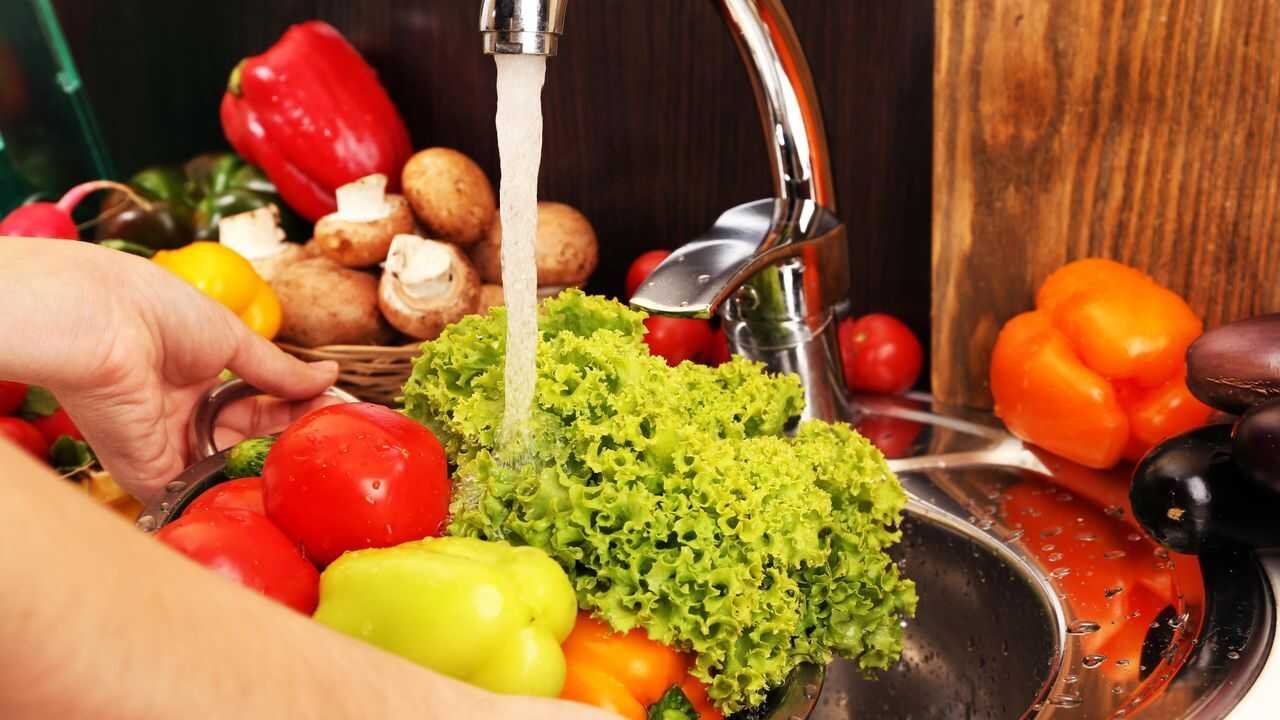
Fresh fruits and vegetables are an essential part of a healthy diet, but experts say proper cleaning is just as important as choosing nutritious produce. With the increased use of pesticides and other agricultural chemicals, simply rinsing produce under running water may not be enough to remove harmful residues, bacteria, and dirt.
From the farm to the marketplace, fruits and vegetables are exposed to several stages of handling. During cultivation, transportation, and storage, they may collect pesticide residue, dust, microbes, and contaminants. Taking a few extra minutes to clean them correctly can significantly improve food safety before they reach your plate.
One of the most effective home methods is using a vinegar solution. Start by rinsing the produce with clean water to remove loose dirt. Then prepare a mixture using one part vinegar and three to four parts water. Soak the fruits or vegetables in the solution for about 15 minutes. After soaking, rinse everything thoroughly with fresh water before using or storing them.
Another simple option is baking soda. Many food safety experts recommend this method because it can help reduce certain pesticide residues from the surface of fruits and vegetables. Mix one teaspoon of baking soda into two or three cups of water and allow the produce to soak for around 15 minutes. Rinse well with clean water afterward and let it dry completely before refrigeration.
Salt mixed with lukewarm water is another easy method that can be followed in almost every household. Add a small amount of salt to lukewarm water and soak the fruits and vegetables for 10 to 15 minutes. This process helps loosen dirt and may reduce some bacteria and surface contaminants. Finish by washing everything once again with clean water.
Leafy vegetables deserve extra attention because dust and tiny insects often remain trapped between the leaves. Separate each leaf carefully and wash them individually instead of cleaning the bunch all at once. This helps remove hidden dirt more effectively.
Experts also recommend washing produce soon after bringing it home from the market. Once cleaned, allow everything to dry properly before storing it in the refrigerator. If you are planning to peel or cut fruits and vegetables, giving them one final rinse before preparation adds another layer of safety.
Children, older adults, and pregnant women are especially vulnerable to foodborne illnesses. For these groups, carefully cleaned fruits and vegetables can reduce the risk of exposure to unwanted contaminants and support better overall health.
Healthy eating is not only about including more fruits and vegetables in daily meals. Making sure they are cleaned properly before consumption is an equally important habit. By using simple household ingredients such as vinegar, baking soda, or salt water, families can take an extra step toward serving cleaner and safer food every day.