
The Best Water Tank Color Depends on These Important Factors
The color of your water tank can influence water temperature cleanliness and algae growth making it important to choose the right option based on climate and household needs.
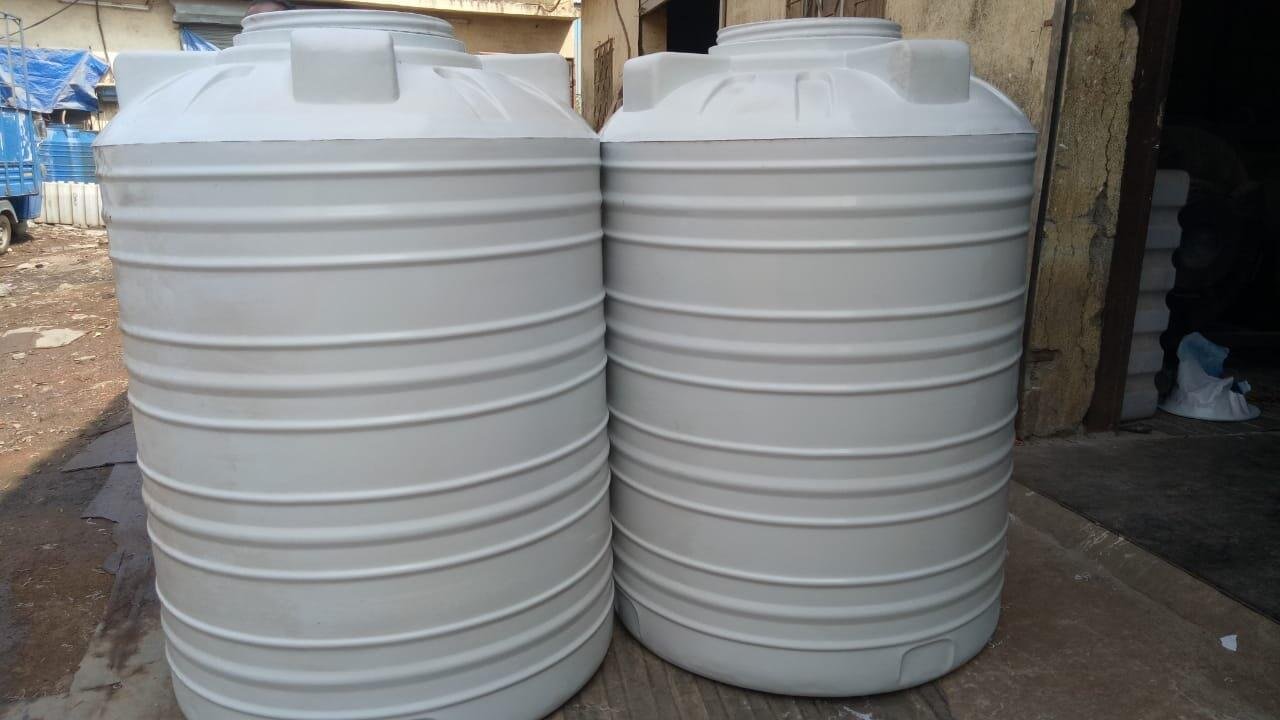
When building a new home or replacing an old water tank, many homeowners focus on storage capacity and price while paying little attention to the tank’s color. However, experts say the color of a water tank plays an important role in maintaining water quality, controlling temperature, and reducing algae growth. Selecting the right color can improve both the performance and lifespan of the tank.
Water tanks are commonly available in black, white, blue, and green. Each color has its own advantages and limitations, making it important to choose one that suits the local weather conditions and household requirements rather than simply picking a design that looks attractive.
Black water tanks are among the most popular because they block ultraviolet rays from entering the tank. By preventing sunlight from reaching the stored water, black tanks help reduce the growth of algae, bacteria, and other microorganisms. This allows the water to remain cleaner for a longer period. However, black surfaces absorb more heat, which means the water inside can become significantly warmer during the summer months.
White water tanks offer a different advantage. Since white reflects most of the sunlight instead of absorbing it, the water inside usually remains cooler even on hot days. This makes white tanks a good choice for regions that experience intense summer temperatures. The downside is that they allow more light exposure than darker tanks, which may increase the chances of algae growth if the tank is not designed with proper protective layers.
Blue and green water tanks provide a balanced solution for many households. These colors reduce sunlight penetration more effectively than white tanks while absorbing less heat than black tanks. As a result, they help maintain moderate water temperatures while also limiting algae formation. Their appearance also makes them a popular choice for residential buildings.
Experts recommend looking beyond the color before making a purchase. A high quality tank with three or four protective layers can offer better insulation and prevent sunlight from affecting the stored water. Buyers should also check whether the tank comes with UV stabilized coating, as this helps improve durability and protects water quality over time.
The ideal choice depends largely on your local climate and maintenance routine. If keeping the water cool during summer is the priority, a multi layer white tank can be a suitable option. On the other hand, if regular cleaning is difficult and preventing algae growth is more important, black or blue tanks may be a better investment.
Choosing the right water tank is not just about appearance. Considering factors such as UV protection, insulation, maintenance requirements, and weather conditions can help homeowners ensure cleaner water, better storage conditions, and improved long term performance.