
Terminal Cancer Explained What Happens When Cancer Reaches the Final Stage
Terminal cancer does not mean a specific cancer type but an advanced stage where doctors focus on symptom control, emotional support, and improving quality of life.
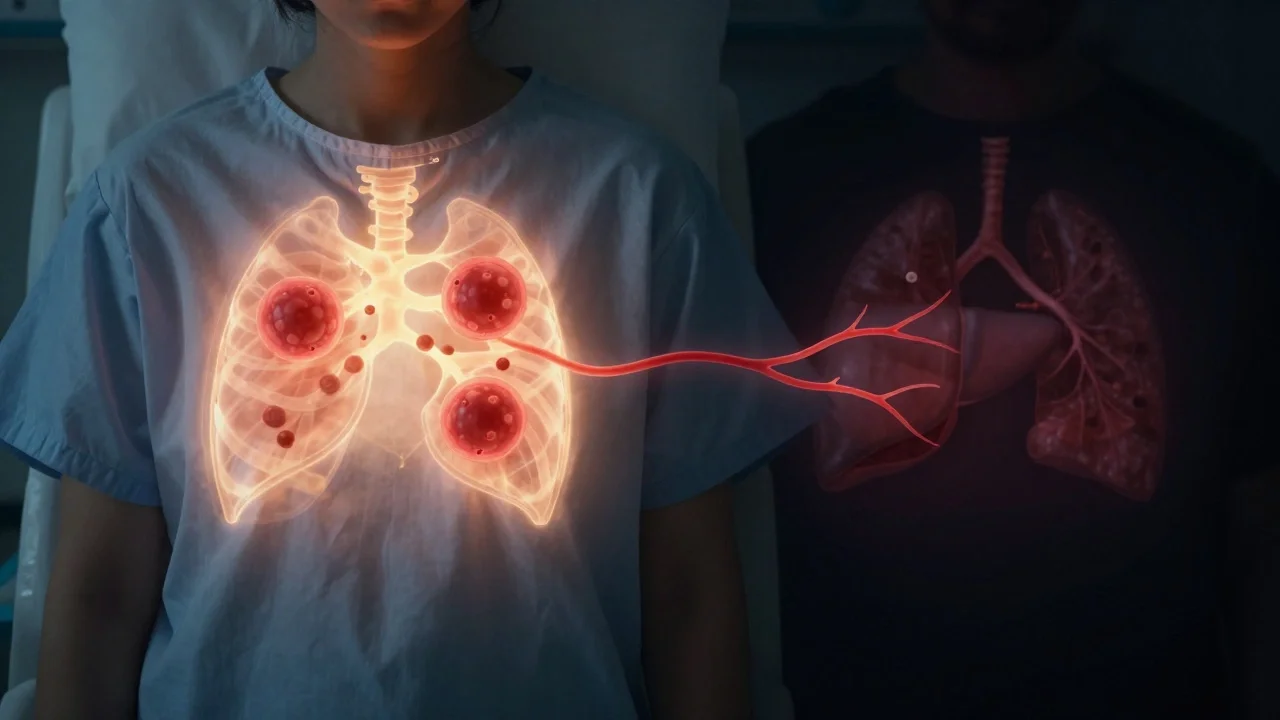
Doctors explain that terminal cancer is not a separate type of cancer but a stage where the disease has progressed significantly and available treatments are no longer able to provide meaningful control or cure. At this stage, medical teams usually shift their focus from eliminating the disease to improving the patient’s comfort, managing symptoms, and maintaining quality of life.
According to cancer specialists, cancers such as lung cancer, breast cancer, and other forms can often be treated with different therapies when detected at earlier stages. However, when cancer continues to grow despite treatment, spreads to other organs, or becomes difficult for the patient’s body to tolerate further therapy, it may be considered terminal.
Cancer can reach this stage for several reasons. In some cases, the disease is detected late and has already spread throughout the body. In other situations, cancer may return after treatment or continue progressing despite medical efforts. A patient’s overall health condition can also affect whether additional treatments are possible.
The main goal of care for terminal cancer patients is to reduce pain and discomfort while providing emotional and physical support. Doctors often focus on palliative care, which helps control symptoms and allows patients to spend their remaining time with better comfort and dignity.
The symptoms associated with advanced cancer can vary depending on the type of disease and affected organs. Common signs may include extreme tiredness, reduced appetite, unexplained weight loss, confusion, changes in sleep patterns, difficulty swallowing, breathing problems, and fluctuations in blood pressure. These symptoms do not always indicate terminal cancer on their own, but they require medical evaluation when they appear in cancer patients.
Experts say early detection and healthy lifestyle choices can help reduce the risk of developing several types of cancer. Avoiding smoking and limiting alcohol consumption are among the most important preventive steps. Maintaining a balanced diet with more fresh fruits, vegetables, and nutritious foods while reducing processed meat, excessive salt, and unhealthy eating habits can also support overall health.
Regular health screenings play an important role in detecting cancer at an early stage. Screening programs related to breast cancer, cervical cancer, colorectal cancer, and lung cancer can help identify risks before the disease becomes advanced. Vaccination programs, such as those that help prevent cervical cancer, are also considered an important preventive measure.
People with a strong family history of cancers, including breast, ovarian, or colorectal cancer, should discuss their risk with healthcare professionals. Genetic counselling and early screening may help identify potential risks and allow timely medical attention.
While terminal cancer remains a serious medical condition, advancements in supportive care continue to help patients manage symptoms and improve their quality of life. Awareness, early diagnosis, regular screening, and healthy habits remain key factors in reducing the impact of cancer.