
Smart Ways To Check If Your Cumin Seeds Are Pure At Home
Growing concerns over adulterated cumin have made consumers more careful, with simple home tests helping identify fake seeds and maintain healthier cooking habits.
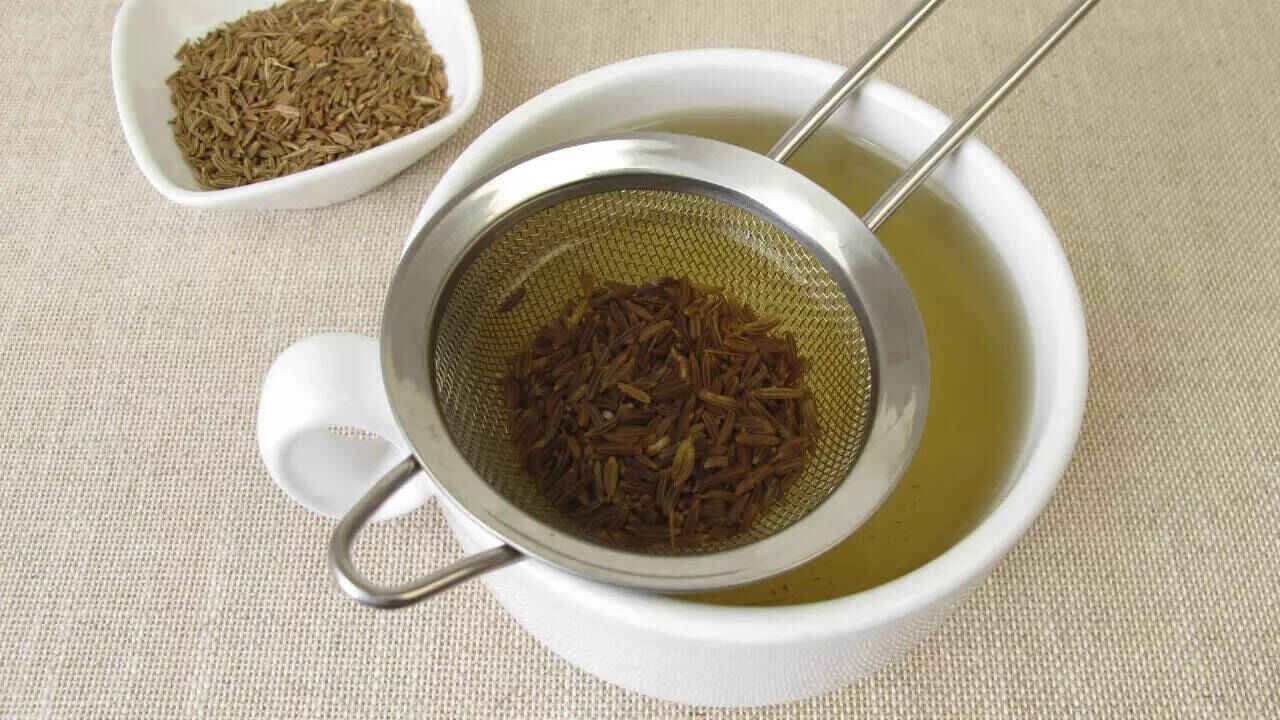
Cumin is one of the most commonly used spices in Indian kitchens, adding a unique aroma and flavour to curries, dals, masala dishes and traditional health preparations. However, concerns over adulterated spices have increased in recent times, and cumin is also becoming a target for mixing with artificial colours and low quality materials.
Experts advise consumers to be cautious while buying cumin because adulterated products may affect the taste of food and could also create health concerns. Checking the quality of cumin before use has become important, especially as fake products can sometimes look similar to genuine spices.
One of the easiest ways to identify good quality cumin is by checking its natural smell and appearance. Pure cumin seeds usually have a strong, distinctive aroma that can be noticed when the seeds are rubbed or crushed slightly. If the smell is weak, unusual or resembles chemicals, the product may not be of good quality.
The colour and shape of the seeds can also provide clues. Genuine cumin generally has a natural brown shade and a uniform appearance. Adulterated cumin may appear unusually dark, have uneven shapes or show signs of artificial colouring.
A simple water test can help detect some impurities at home. Adding a spoonful of cumin seeds to a glass of water and observing them for a few minutes can reveal possible contamination. Pure cumin seeds usually sink because of their natural weight, while lighter unwanted materials such as dust, soil or other substances may float on the surface. If the water colour changes quickly after adding cumin, it could indicate the presence of artificial colours.
Another quick method is the rubbing test. Taking a few seeds between the palms and rubbing them can help check their quality. Good cumin should release its natural fragrance without leaving unusual marks. If black stains appear on the hands, a chemical smell is noticed or strange residue remains, it is better to avoid using that product.
Consumers should also pay attention while purchasing cumin from markets. Checking packaging details, manufacturing dates, quality certifications and the FSSAI mark can help ensure better quality. Products available at unusually low prices should be purchased carefully, as extremely cheap spices may sometimes raise concerns about quality.
Buying cumin from trusted brands and reliable shops can reduce the risk of purchasing adulterated products. Small checks before adding spices to daily meals can help families maintain food quality and make safer choices in the kitchen.