Six Common Mistakes That Ruin the Taste of Cauliflower Curry at Home
Simple cooking mistakes can make cauliflower soft and tasteless, but following the right preparation methods can help create restaurant style crispy and flavorful dishes easily.
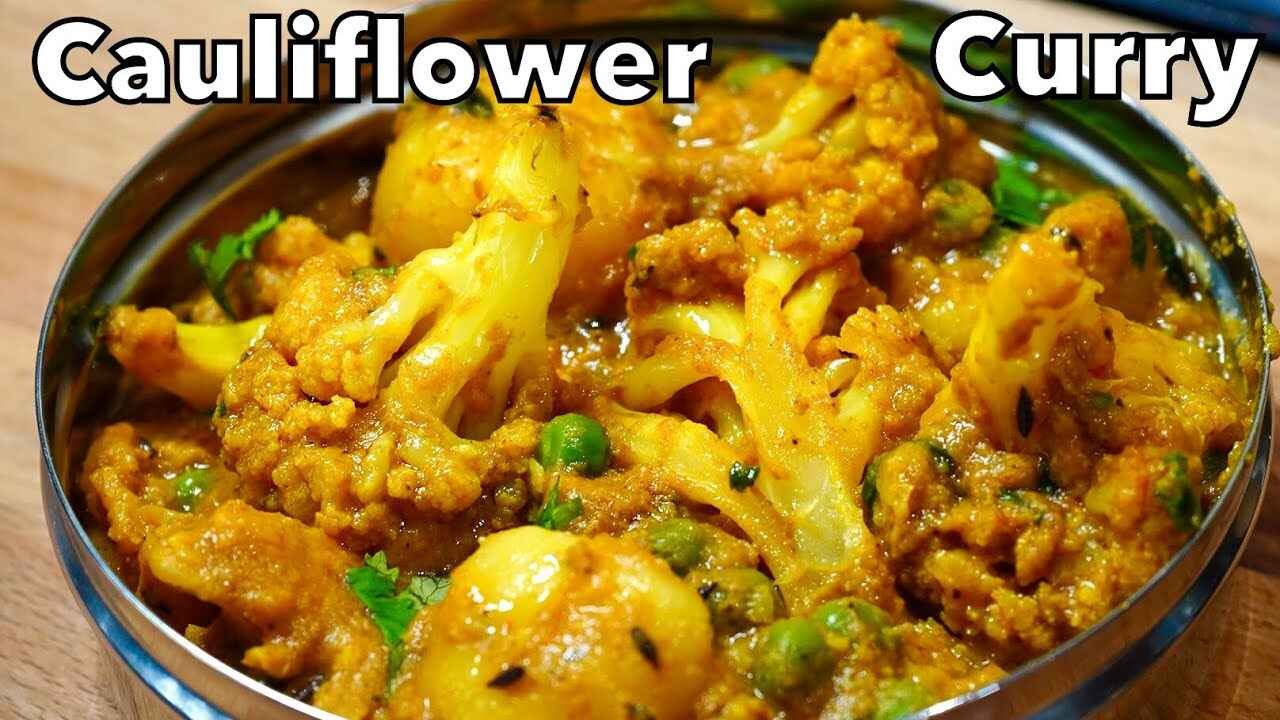
Cauliflower is one of the most loved vegetables in Indian kitchens. From spicy gobi fry and flavorful curries to stuffed parathas, this versatile vegetable is used in many popular dishes. However, many home cooks often face the same problem while preparing cauliflower. The pieces become too soft, watery or lose their original taste despite adding the right spices.
According to cooking experts, the difference between an ordinary cauliflower dish and a restaurant style preparation often comes down to small techniques. Mistakes made during cleaning, cutting, frying and seasoning can completely change the texture and flavour of the dish.
Making crispy and tasty cauliflower does not always require complicated methods. Paying attention to a few basic steps can help improve the final result.
Cooking Cauliflower Immediately After Washing
One of the most common mistakes is putting wet cauliflower pieces directly into the pan after washing. The extra moisture released from the vegetable creates steam instead of allowing it to roast or fry properly.
As a result, the cauliflower becomes soft and loses its crispy texture. After washing, it is important to drain the water completely and dry the pieces using a clean cloth or by keeping them aside for some time before cooking.
Cutting Pieces Unevenly
The size of cauliflower pieces also plays an important role in cooking. When some pieces are very small and others are large, they do not cook evenly.
Small pieces may become overcooked and turn mushy, while larger pieces may remain undercooked. Cutting the cauliflower into similar sized pieces helps ensure that every portion gets cooked properly and maintains a good texture.
Reducing the Flame While Frying
Many people cook cauliflower on a low flame while trying to roast or fry it. This often prevents the vegetable from developing the desired crispiness.
For a better texture and rich roasted flavour, cauliflower should be cooked on a properly heated pan with enough heat. This helps the outer layer become slightly crispy while keeping the inside soft.
Adding Salt Too Early
Adding salt at the beginning of cooking can affect the texture of cauliflower. Salt draws out moisture from vegetables, which can make cauliflower release water and become softer.
Adding salt during the middle stage of cooking or closer to the finishing stage helps retain the vegetable’s structure and keeps the dish more flavorful.
Using a Cold Pan
Starting the cooking process before the pan is properly heated can affect the quality of the dish. When cauliflower is added to a cold pan, it may absorb more oil and release moisture instead of getting a roasted texture.
The pan should be heated well first, followed by adding oil and allowing it to become hot before placing the cauliflower pieces.
Serving Immediately After Cooking
Many people serve cauliflower curry or fry immediately after turning off the stove. However, allowing it to rest for a few minutes can improve the taste.
During this resting time, the spices and flavours settle into the cauliflower pieces, making the dish more aromatic and enjoyable.
With a few simple changes in preparation and cooking techniques, homemade cauliflower dishes can achieve better texture, richer flavour and a restaurant style finish. Small details such as drying the vegetable properly, maintaining the right heat and adding seasoning at the correct time can make a noticeable difference in the final taste.