
Simple Kitchen Tricks to Keep Milk Fresh During Extreme Summer Heat
Rising temperatures can spoil milk within hours during summer, but a few practical storage habits can help households preserve freshness and prevent unnecessary wastage every day.
Summer brings several challenges into the kitchen, and one of the most common complaints from households is milk turning sour much sooner than expected. Many families find that milk purchased in the morning begins to spoil by evening, leading to unnecessary waste and frustration. Experts say that soaring temperatures create ideal conditions for bacterial growth, which is the primary reason milk deteriorates quickly during hot weather.
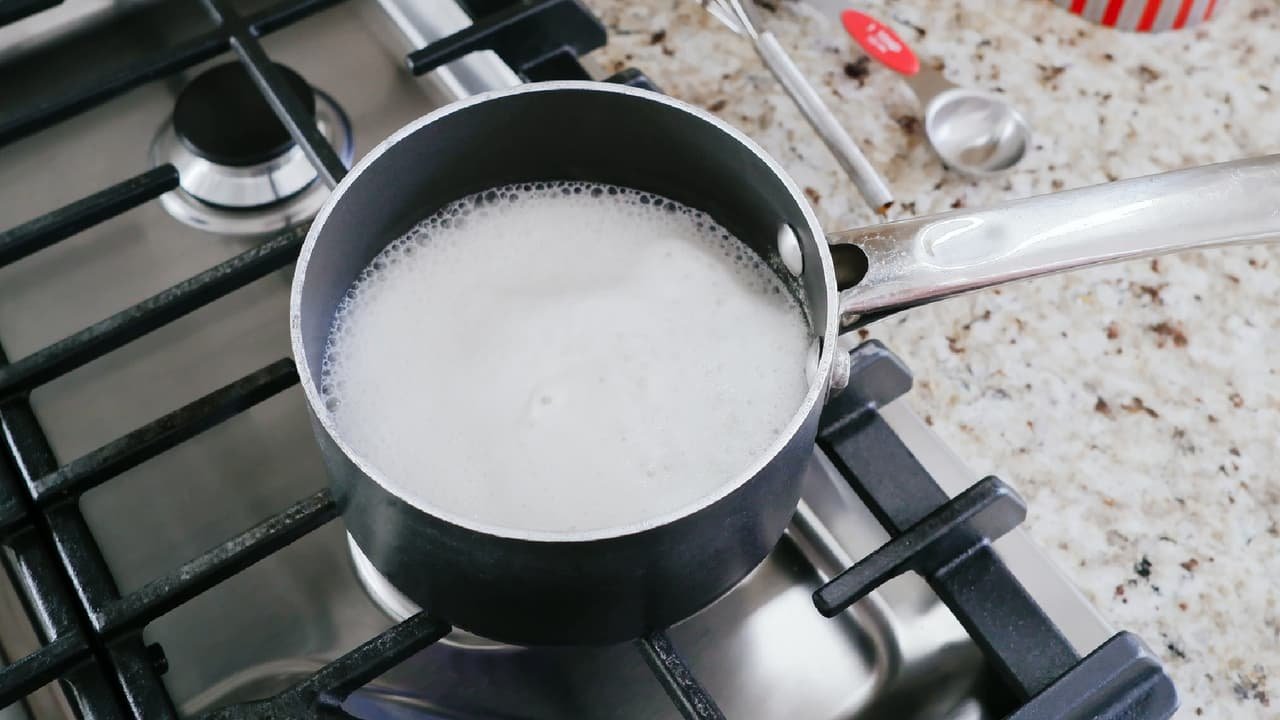
One of the most effective ways to extend the freshness of milk is to boil it immediately after bringing it home. Many people leave milk at room temperature for a while before heating it, but during summer this delay can significantly increase the risk of spoilage. Boiling milk thoroughly helps destroy harmful bacteria and slows down the process that causes curdling.
Proper storage begins even before the milk is boiled. Kitchen specialists advise using only clean and completely dry utensils. Residual moisture or traces of previously used food particles can introduce bacteria into the milk, causing it to spoil much faster. A well washed vessel can make a noticeable difference in preserving quality.
Another common mistake is placing hot milk directly into the refrigerator. While it may seem like a quick solution, doing so can disturb the internal temperature of the appliance. This not only affects the milk but may also impact the freshness of other foods stored inside. Allowing milk to cool naturally to room temperature before refrigeration is considered a safer approach.
Storage location inside the refrigerator also plays an important role. Many households place milk cartons or containers in the refrigerator door because it is convenient. However, the door section experiences frequent temperature changes whenever the refrigerator is opened and closed. These fluctuations can shorten the shelf life of milk.
Experts recommend keeping milk in the inner sections of the refrigerator, preferably on the upper or middle shelves where cooling remains more stable. Consistent temperature conditions help preserve freshness for a longer period and reduce the chances of spoilage.
During periods of intense heatwaves, some households follow another traditional practice that continues to prove useful. Reheating or reboiling milk once again later in the day can help maintain its quality, especially when temperatures remain exceptionally high. This simple habit can offer extra protection against bacterial growth.
Food safety specialists note that summer conditions demand greater attention to dairy products than during other seasons. Milk is highly sensitive to heat, and even a few hours of improper handling can affect its taste, texture, and nutritional quality. Taking preventive steps early is often more effective than trying to salvage spoiled milk later.
The increasing frequency of extreme summer temperatures has made these storage habits more relevant than ever. Small adjustments in daily routines can save money, reduce food waste, and ensure that families always have fresh milk available for cooking, tea, coffee, and other household needs.
With a combination of timely boiling, clean utensils, proper cooling, and correct refrigeration practices, households can significantly improve milk storage during the hottest months of the year. These simple kitchen techniques require little effort but can make a big difference in maintaining freshness and preventing spoilage.