
Simple Home Tests That Can Help Identify Suspected Adulterated Milk
Easy household checks may help detect possible milk adulteration but laboratory testing remains the most reliable method to confirm purity and ensure food safety for everyday consumption.
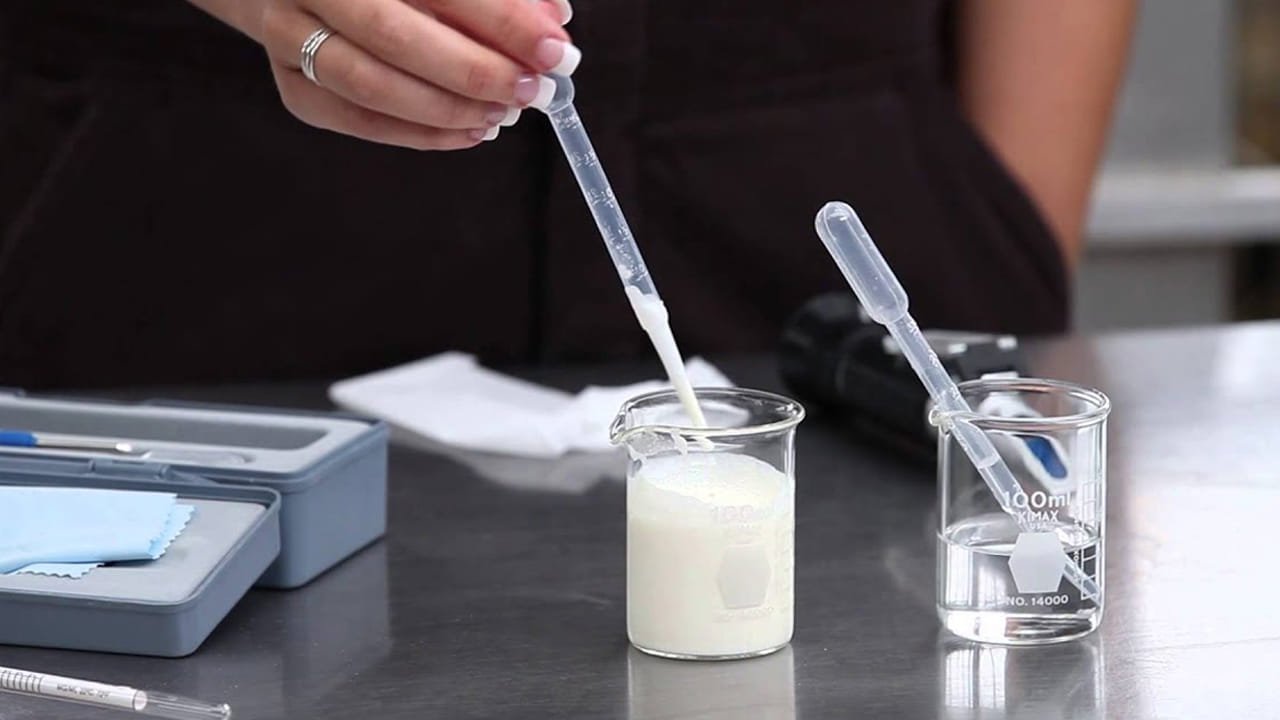
Milk is an essential part of the daily diet for millions of families, providing important nutrients for children, adults and older people. However, concerns over food adulteration continue to raise questions about the quality of milk available in the market. Health experts warn that consuming contaminated or adulterated milk may pose health risks, making it important for consumers to remain alert and purchase dairy products from trusted sources.
Food safety authorities recommend that any suspicion of adulteration should ultimately be confirmed through laboratory testing. However, there are a few simple observations and basic household checks that may indicate whether milk deserves further investigation. These methods are only preliminary screening techniques and should not be treated as conclusive proof.
One commonly discussed method is the water flow test. Place a single drop of milk on a clean, smooth surface such as a plate or tile. Pure milk generally flows slowly and may leave behind a thin white trail as it moves. If the drop spreads very quickly without leaving much residue, it could indicate that the milk has been diluted with water. While this test is simple, it is not scientifically definitive.
Another basic check involves shaking milk with an equal amount of water inside a clean bottle. If thick, soap like foam forms and remains for an unusually long time, it may suggest the possible presence of detergent or other contaminants. Naturally produced milk can create light foam when shaken, so this observation alone cannot confirm adulteration.
Some people also use an iodine test to check for starch, which may be added illegally to increase the thickness of diluted milk. A few drops of iodine solution added to a milk sample may turn blue if starch is present. Since iodine is a chemical reagent, this test should be performed carefully and handled safely. A positive result should be verified through proper laboratory analysis.
Consumers can also pay attention to changes while handling or boiling milk. Milk that develops an unusual odor, bitter taste or unexpected yellowish color during heating may indicate a quality issue. Likewise, if the milk feels unusually slippery or soapy when rubbed between the fingers, it could suggest contamination. These signs do not always confirm adulteration but may warrant caution.
Health specialists advise buying milk from reputable brands or licensed local suppliers that follow food safety standards. Proper refrigeration, checking expiry dates and avoiding damaged packaging are equally important for maintaining milk quality after purchase.
If consumers suspect that milk has been adulterated, they should avoid consuming it and report the issue to the appropriate food safety authorities. While simple home checks can help identify suspicious samples, certified laboratory testing remains the most accurate way to determine whether milk is safe and meets quality standards.