Rayalaseema Style Dry Mutton Fry A Traditional Power Packed Dish Loved Across Generations
Rayalaseema dry mutton fry combines rich flavor with traditional nutrition and remains a popular homemade recipe believed to support strength recovery and wholesome family meals across generations today.
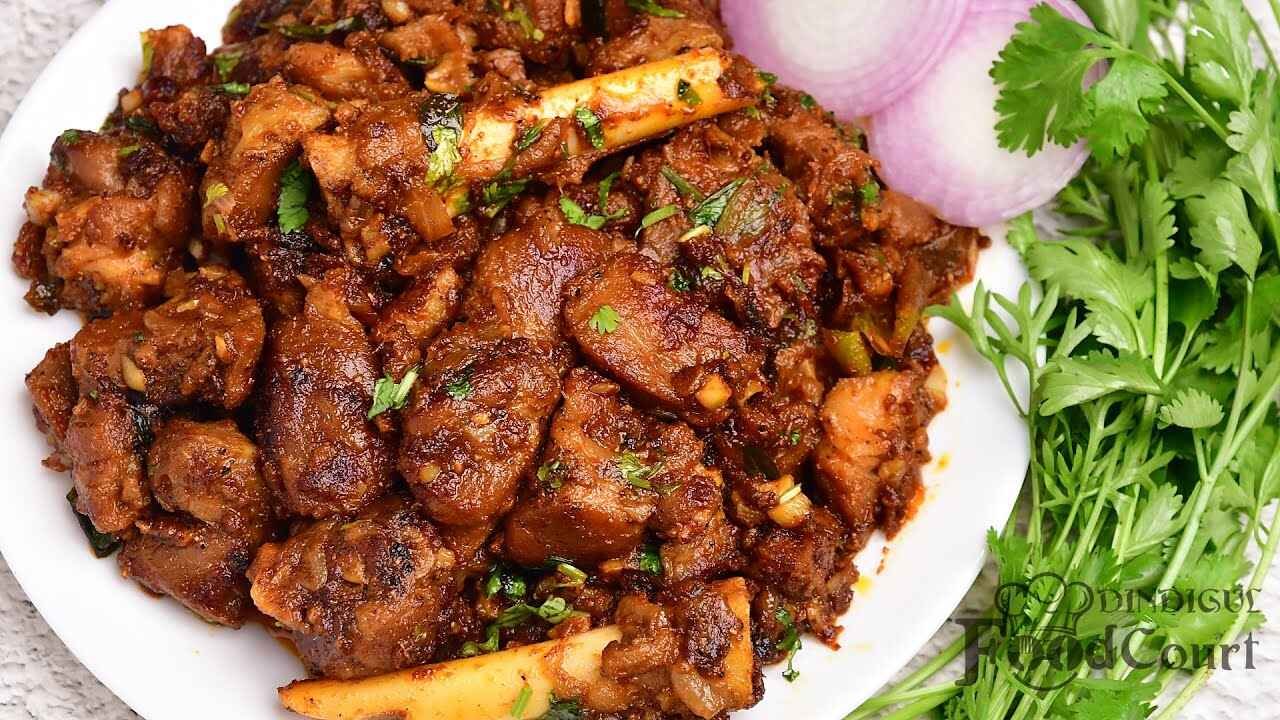
Rayalaseema cuisine is known for its bold flavors and time tested recipes, and one dish that continues to stand out is dry mutton fry made from sun dried meat. More than just a regional delicacy, this traditional preparation has long been valued as a nourishing meal that families prepare for people recovering from illness and for women after childbirth. Its unique taste and cultural importance have kept the recipe alive for generations.
In many households across the region, dried mutton pieces are carefully prepared during sunny weather so they can be stored and used over an extended period. The meat is cut into small boneless pieces, coated generously with salt and turmeric, threaded together and dried under the sun for two to three days. This traditional preservation method removes moisture, improves shelf life and creates a distinctive flavor that fresh meat cannot replicate. Many families also refrigerate the dried meat to keep it fresh for even longer.
The dish is often served with comforting staples such as dal, rasam, leafy vegetable curries, spicy chutneys and the famous ragi sangati. Its rich taste pairs beautifully with simple homemade meals, making it a favorite on family dining tables. Many people also enjoy mixing the fry directly with hot rice for a satisfying meal.
Traditionally, dry mutton fry has been considered a strengthening food. In Rayalaseema households, it is commonly prepared for people recovering from fever or prolonged illness when they begin eating regular meals again. It is also frequently included in the diet of new mothers, as it is widely believed to help restore strength and support overall recovery. While these practices are deeply rooted in local tradition, individual nutritional needs can vary and medical advice should always be followed where necessary.
Preparing the dish requires a few careful steps. Since the dried meat becomes firm during the drying process, each piece is lightly crushed before cooking to soften its texture. The pieces are then rinsed thoroughly with water before being transferred to a pan with fresh water and a small amount of turmeric. The meat is cooked until it becomes tender and the water evaporates completely.
Once the moisture has disappeared, only a small quantity of oil is added because the meat naturally contains enough fat for frying. The pieces are roasted over medium heat while being stirred continuously to prevent burning. This slow cooking process allows the meat to develop its signature texture without becoming overly hard.
Freshly crushed garlic plays a major role in creating the authentic Rayalaseema flavor. A generous amount of garlic is added to the pan along with fresh curry leaves, filling the kitchen with an irresistible aroma. A light sprinkle of red chilli powder, coriander powder and a little extra salt if required completes the seasoning. The spices coat every piece evenly, creating a rich and flavorful finish.
The versatility of dry mutton fry adds to its popularity. Besides serving it as a standalone side dish, many families cook the dried meat with vegetables such as drumsticks, brinjal or potatoes to prepare hearty curries. These combinations are especially popular when served alongside traditional millet based meals.
Beyond its delicious taste, Rayalaseema dry mutton fry reflects the wisdom of traditional food preservation and regional cooking methods. It showcases how earlier generations created nutritious meals using simple ingredients and natural techniques. Even today, this classic recipe continues to hold a special place in homes where food is valued not only for its flavor but also for the memories, traditions and care it represents.