Pumpkin Seeds vs Sunflower Seeds: What Is the Difference
Pumpkin seeds and sunflower seeds both provide protein, healthy fats, minerals and antioxidants, but their nutritional profiles differ, making each useful for different dietary needs and preferences and everyday meals.
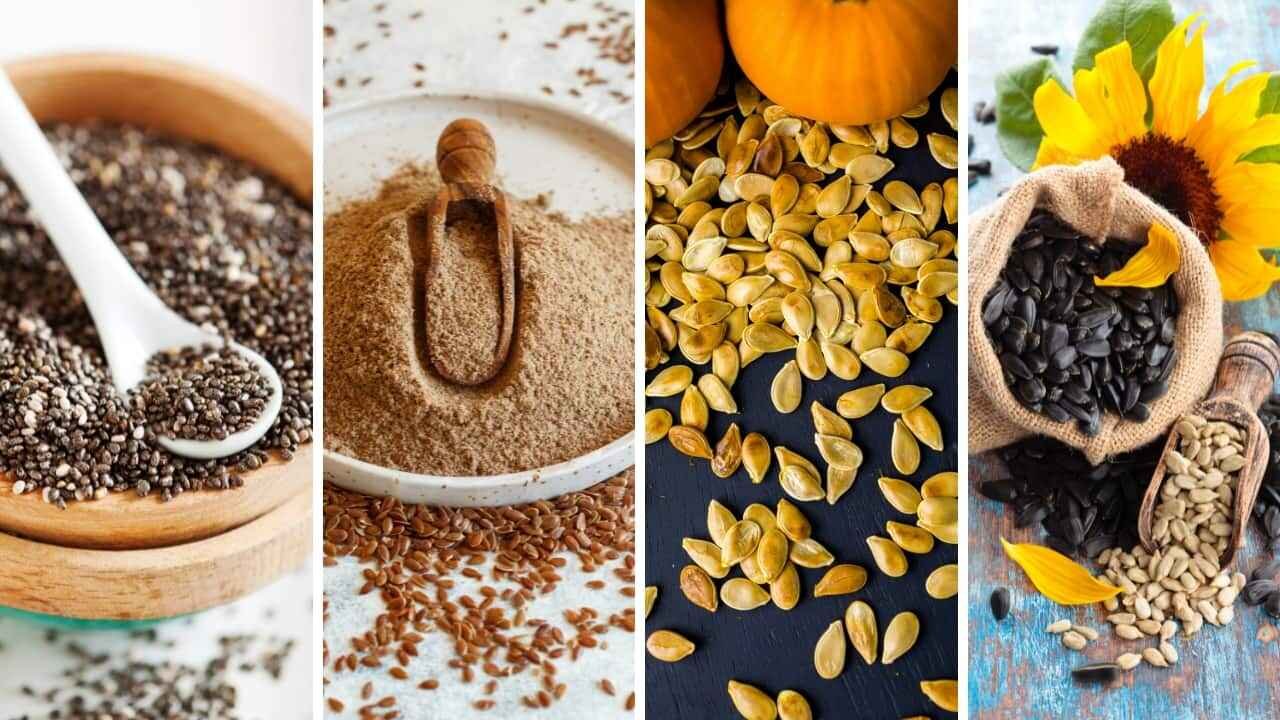
Seeds have become a regular part of many diets as people look for simple ways to add more nutrients to everyday meals. Pumpkin seeds and sunflower seeds are particularly popular because they can be eaten on their own or added to salads, breakfast bowls, snacks and other dishes.
Although both belong to the same broad food category, their nutritional profiles are not identical. The choice between them does not have to be about finding one universal winner. It can instead depend on what nutrients a person wants to include in their diet.
Pumpkin seeds are particularly known for their protein, magnesium, zinc and iron content. A serving of about 28 grams can provide roughly 8 grams of protein, although the exact nutritional values vary according to the variety and whether the seeds are roasted, salted or prepared differently.
Sunflower seeds also provide useful nutrients. A similar serving can contain protein, fibre, healthy fats, vitamin E, magnesium, phosphorus and selenium. Their exact calorie and nutrient content can vary depending on the product and preparation.
One of the standout nutrients in sunflower seeds is vitamin E. This antioxidant helps protect cells from oxidative damage and plays an important role in normal body functions. Sunflower seeds can therefore be a convenient food source for people looking to include more vitamin E in their diet.
Sunflower seeds also contain unsaturated fats. Replacing some sources of saturated fat with foods containing unsaturated fats can be part of a heart healthy eating pattern. However, eating seeds alone cannot guarantee protection against heart disease or lower cholesterol.
Another practical advantage of sunflower seeds is their versatility. They can be sprinkled over salads, mixed into homemade snacks or added to breakfast dishes. Their crunchy texture also makes them an easy addition to meals that need a little extra texture.
Pumpkin seeds have their own nutritional strengths. Their protein and mineral content makes them particularly popular among people who want nutrient dense plant foods. Magnesium is involved in several important functions in the body, including normal muscle and nerve function.
Zinc is another notable nutrient found in pumpkin seeds. It contributes to normal immune function and is involved in several processes throughout the body. Iron is also present, although the amount absorbed by the body can depend on several factors.
Pumpkin seeds are sometimes promoted specifically for mens health because of their plant compounds and mineral content. However, claims that they can prevent or treat prostate conditions should not be treated as established medical facts. People with prostate symptoms should seek appropriate medical advice.
Both types of seeds contain fats and calories, so portion size still matters. Even nutrient rich foods can contribute significant calories when eaten in large quantities. For someone trying to manage their overall food intake, using a modest portion can make it easier to include seeds without overdoing them.
The same point applies to weight management. Neither pumpkin seeds nor sunflower seeds is a magic weight loss food. Their protein, fat and fibre content may contribute to a satisfying meal, but body weight is influenced by overall dietary intake, physical activity, sleep and several other factors.
There is also no need to completely choose one type and avoid the other. Including different seeds in a balanced diet can provide a wider variety of nutrients. Pumpkin seeds can be combined with sunflower seeds, nuts, fruits or other foods depending on personal preferences.
The way seeds are purchased also matters. Salted or heavily flavoured varieties may contain considerably more sodium than plain seeds. People who need to monitor their sodium intake may prefer unsalted options.
Portion size and preparation are worth checking on packaged products as well. Roasted seeds can be convenient, but added oils, salt or flavouring ingredients can change their nutritional profile.
So which should people choose? The answer depends largely on the rest of their diet and the nutrients they want to increase. Pumpkin seeds are especially useful for adding protein, magnesium and zinc, while sunflower seeds are notable for vitamin E, healthy fats and several minerals.
Rather than treating pumpkin seeds and sunflower seeds as competitors, they can be viewed as two nutritious options that can complement a varied diet. Including either one in reasonable portions can add texture, flavour and useful nutrients to everyday meals.