Mulberry Fruits And Leaves Offer Surprising Health Benefits Beyond Their Sweet Taste
Mulberry fruits and leaves are packed with vitamins minerals antioxidants and fiber that may support immunity digestion heart health and blood sugar management when consumed responsibly.
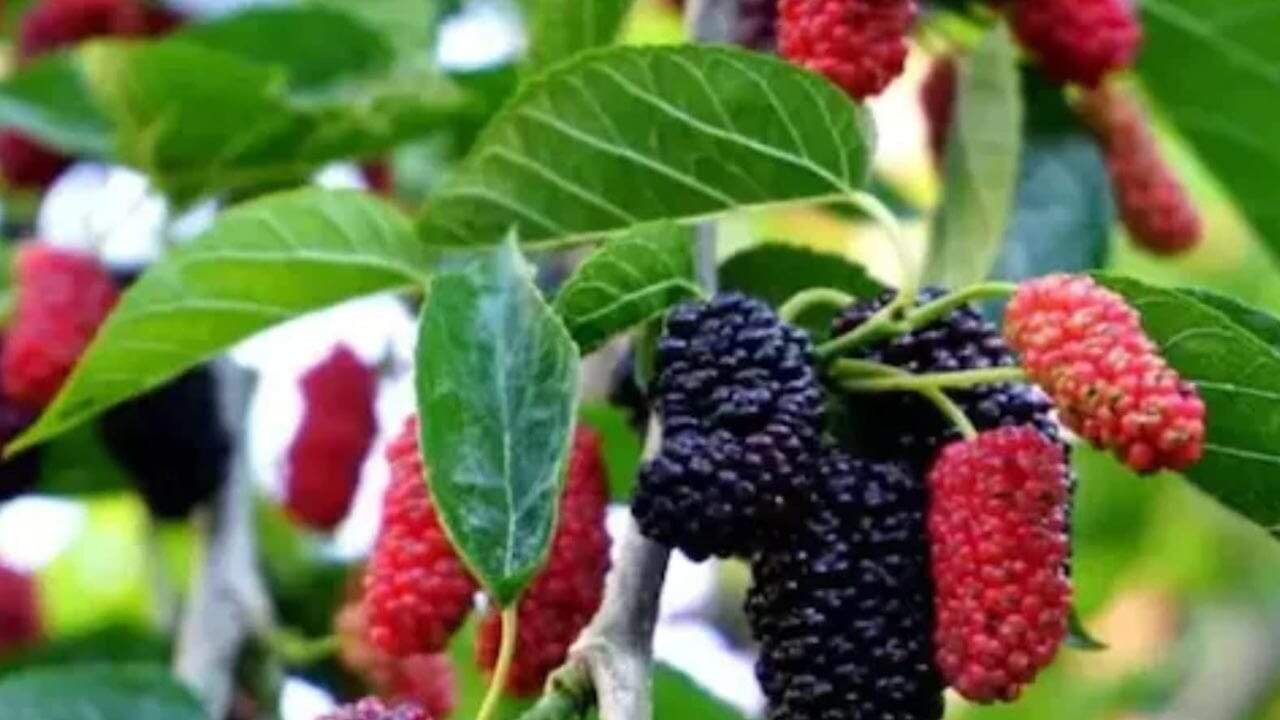
Mulberries are often celebrated for their sweet and tangy flavor during the summer season, but health experts say the real story goes far beyond the fruit itself. While the colorful berries are known for their nutritional value, the leaves of the mulberry tree have also gained attention for their potential wellness benefits and long standing use in traditional health practices.
Available in black, red and white varieties, mulberries are rich in essential nutrients that contribute to overall wellbeing. These small fruits contain a combination of vitamins, minerals and antioxidants that help support various functions of the body. Their refreshing taste makes them a seasonal favorite, but their nutritional profile is what truly sets them apart.
Nutrition experts point out that mulberries are a valuable source of vitamins C, A, E and K, along with folate. They also provide important minerals such as calcium, iron, potassium, magnesium and zinc. In addition, the fruit contains dietary fiber and powerful antioxidant compounds including anthocyanins and resveratrol, which help protect cells from oxidative stress.
One of the key advantages of including mulberries in the diet is their contribution to digestive health. The fiber content supports healthy digestion and may help reduce common issues such as constipation. Regular consumption of fiber rich foods is often associated with improved gut health and better digestive function.
The fruit may also play a role in strengthening the immune system. Vitamin C and antioxidants found in mulberries help the body defend itself against environmental stressors and support overall immune function. These nutrients contribute to maintaining good health, especially during periods when the body is exposed to infections and seasonal illnesses.
Iron and other nutrients present in mulberries are believed to support healthy blood circulation. They may assist the body in maintaining proper oxygen transport and can contribute to reducing the risk of nutrient deficiencies related to low iron intake.
While the berries receive most of the attention, mulberry leaves have become increasingly popular among health conscious consumers. According to traditional wellness practices and nutritional experts, these leaves contain beneficial compounds along with iron, calcium, protein and antioxidants. Many people dry the leaves and use them in herbal teas, powders and decoctions.
Researchers and health professionals have shown interest in the natural compounds found in mulberry leaves because they may help regulate blood sugar levels. Certain substances present in the leaves are believed to slow the absorption of sugars and help prevent sudden spikes in blood glucose. This has made mulberry leaf products a topic of interest among individuals looking to support healthy metabolic function.
Another area where mulberry leaves may offer benefits is heart health. Experts suggest that compounds present in the leaves can help support healthy cholesterol levels by reducing unwanted low density lipoprotein cholesterol. Maintaining balanced cholesterol levels is considered an important part of cardiovascular wellness.
However, health professionals advise caution before using mulberry leaves as a supplement for specific medical conditions. Individuals managing diabetes or other health concerns should consult a qualified healthcare provider before adding concentrated herbal preparations to their routine.
Beyond nutrition and wellness, mulberry trees also play an important economic role. Their leaves serve as the primary food source for silkworms, making them essential to the silk industry. In many rural communities, mulberry cultivation supports livelihoods and contributes to employment through sericulture activities.
With both the fruit and leaves offering a wide range of nutritional advantages, the mulberry tree continues to be valued not only as a seasonal delicacy but also as a versatile natural resource with benefits that extend far beyond the dining table.