Money Plant and Vastu Beliefs Why Proper Placement Is Said to Attract Prosperity and Positive Energy
According to Vastu beliefs placing a healthy money plant in the right direction may encourage positive energy financial stability peaceful surroundings and a refreshing atmosphere inside homes and workplaces.
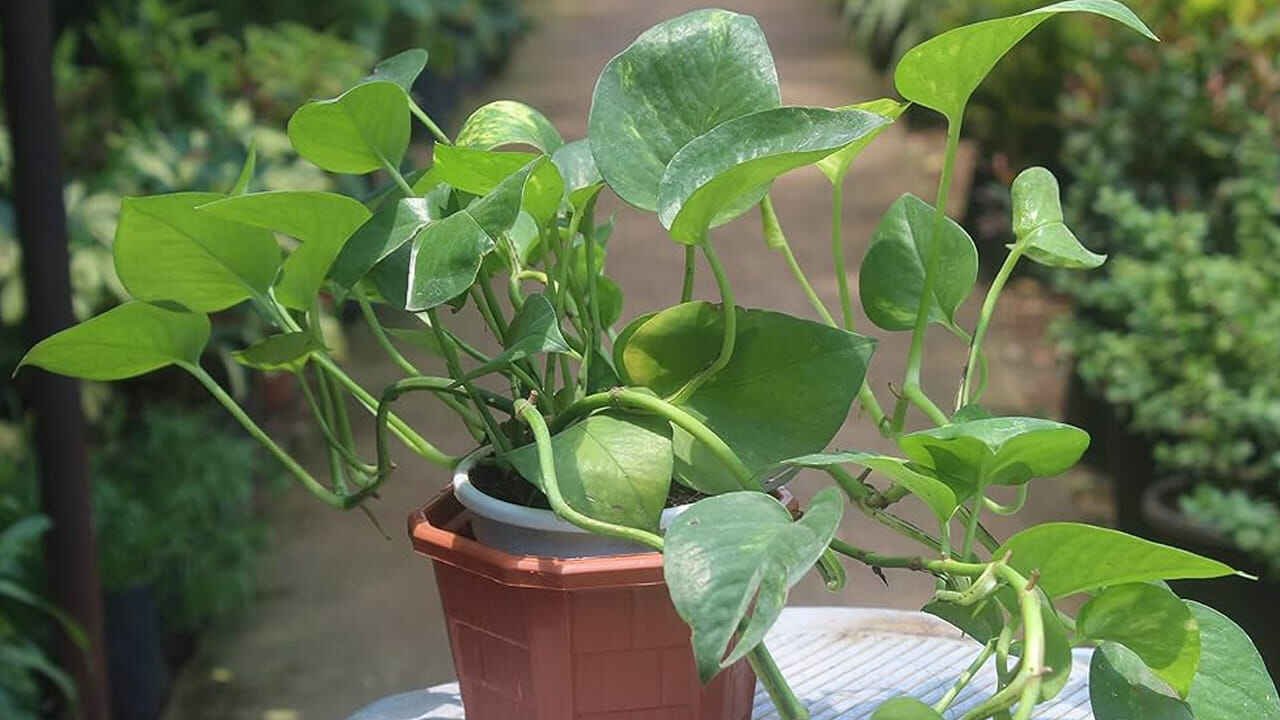
The money plant has become one of the most popular indoor plants in many homes, valued not only for its attractive appearance but also for the beliefs associated with it. According to Vastu Shastra and Feng Shui traditions, this simple green plant symbolizes prosperity, growth and positive energy. While these ideas are rooted in traditional beliefs rather than scientific proof, many people continue to include the money plant in their homes as a symbol of good fortune.
Vastu experts believe that plants can contribute to a pleasant and peaceful living environment. A healthy money plant is often associated with the flow of positive energy and is thought to reduce negative influences within a home. Apart from these traditional beliefs, indoor plants are also appreciated for adding greenery and creating a calm atmosphere.
There are generally two popular types of money plants commonly seen in homes and offices. The first is the traditional climbing money plant that grows in pots or water containers. It spreads quickly with proper care and is widely used as an ornamental indoor plant. According to Vastu practitioners, keeping this variety in good condition represents continuous growth and abundance.
The second popular option is the Feng Shui bamboo arrangement, often referred to as a lucky bamboo money plant. These decorative plants are commonly placed on office desks, reception areas and study tables. Followers of Feng Shui believe they help attract prosperity, success and harmony while promoting a positive environment in both homes and workplaces.
Traditional beliefs also emphasize the importance of placing the plant in the correct location. Many Vastu experts recommend keeping the money plant in the southeast direction of the house, as this area is associated with wealth and financial stability. They believe this placement encourages better financial opportunities and supports a balanced flow of positive energy throughout the home.
Experts further suggest that the plant should always remain fresh and healthy. Dry, damaged or yellowing leaves are generally considered undesirable in Vastu practices. Regular watering, trimming dead leaves and ensuring the plant receives suitable light are believed to enhance both its appearance and its symbolic significance.
Beyond its spiritual associations, the money plant offers practical benefits as well. It adds natural beauty to interiors, creates a refreshing atmosphere and requires relatively little maintenance compared to many other indoor plants. These qualities have made it a favorite choice for apartments, offices and modern homes.
Many families also consider the money plant a meaningful gift during housewarming ceremonies and festive occasions. It is often presented as a symbol of prosperity, happiness and new beginnings. Similarly, lucky bamboo arrangements are popular gifts for business openings and professional milestones because they are believed to represent growth and success.
While there is no scientific evidence confirming that a money plant directly increases wealth or changes financial outcomes, experts note that maintaining plants can improve the overall ambiance of a space and encourage a sense of wellbeing. Those who follow Vastu or Feng Shui view the plant as a positive symbol that reflects optimism and prosperity.
Whether someone keeps a traditional money plant or a Feng Shui bamboo arrangement, its appeal lies in both its aesthetic value and its cultural significance. For many households, it remains more than just an ornamental plant, serving as a reminder of growth, positivity and the hope for a prosperous future.