Lung Cancer Warning: Who Should Get Screened and Why Early Detection Matters
Lung cancer screening can help detect the disease early among high risk people and improve treatment possibilities through timely medical evaluation.
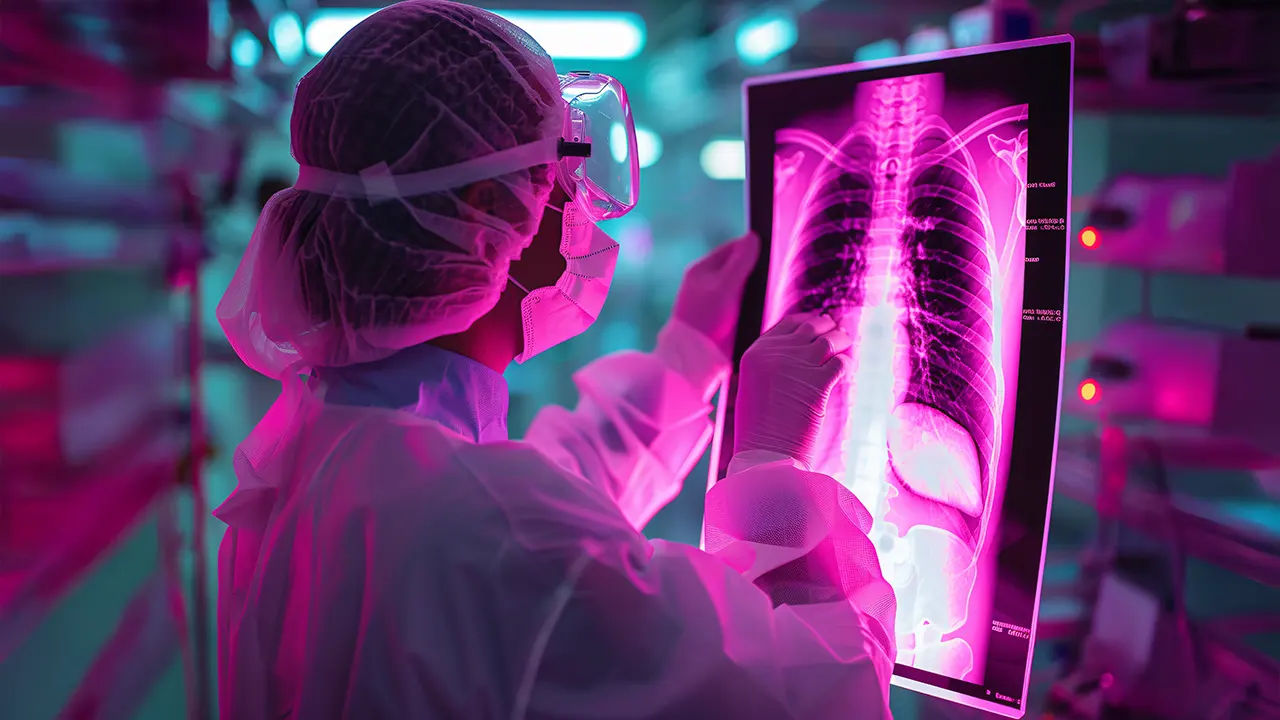
World Lung Cancer Day is observed on August 1 every year to spread awareness about lung health, cancer risks and the importance of early detection. Lung cancer remains one of the most serious health concerns worldwide, with smoking being one of the major risk factors. However, experts point out that the disease can also affect non smokers due to factors such as air pollution and other environmental exposures.
A common question among people is who should actually undergo lung cancer screening. Doctors explain that screening is not recommended for everyone. It is mainly designed for individuals who have a higher risk of developing lung cancer but do not show any symptoms yet.
Dr Vikas Mittal, Director of Pulmonology at CK Birla Hospital Delhi, explains that many people misunderstand lung cancer screening. A regular health checkup or a routine chest X ray does not necessarily detect lung cancer at an early stage. Screening is a targeted process meant for people who fall into specific high risk categories.
According to experts, lung cancer screening is generally recommended for people between 50 and 80 years of age who have a significant history of smoking. Individuals with a smoking history of 20 pack years or more, those who currently smoke or those who quit smoking within the last 15 years may need to discuss screening options with their doctor.
The main purpose of screening is not to treat cancer but to identify it before symptoms appear. For eligible individuals, doctors usually recommend a low dose CT scan, also known as LDCT. This is different from a regular chest X ray and is specifically designed to detect early signs of lung cancer with a lower amount of radiation exposure.
Experts say that eligible people may need annual LDCT scans based on medical advice. Regular screening at the right time can help detect the disease earlier and improve the chances of effective treatment.
However, people should not ignore warning signs that may indicate a health issue. Symptoms such as a persistent cough, coughing up blood, unexplained weight loss, chest pain or newly developed breathing problems require medical attention. These cases are not considered routine screening situations and should be evaluated by a doctor.
Doctors emphasize that lung cancer screening does not mean every person should undergo a CT scan. The goal is to identify the right people who have a higher risk and provide them with the right test at the right time.
With increasing awareness about lung cancer risks and early detection methods, timely screening can play an important role in improving treatment possibilities and saving lives, especially among high risk groups.