
Ladakh’s Snow Leopard Safari Promises A Rare Wildlife Experience In The Mountains
Ladakh is preparing a unique wildlife safari experience where visitors could explore rugged mountain landscapes and search for elusive snow leopards.
Ladakh is known for its dramatic mountains, remote valleys, monasteries and adventure tourism, but the region could soon gain another major attraction. The administration has approved plans for a high altitude wildlife safari that could give visitors an opportunity to explore the region’s wildlife in a more organized and guided manner.
The proposed safari is expected to cover several parts of Ladakh, including Nubra, Zanskar, Sham, Kargil and Drass. Authorities are also looking at suitable routes around Hemis National Park, Changthang Wildlife Sanctuary and the Karakoram wildlife landscape covering areas around Nubra and Shyok.
Unlike conventional wildlife safaris conducted in forested national parks, the Ladakh experience will operate in a very different environment. The region’s high mountains, rocky terrain and extreme weather conditions require a specialized approach. The proposed tours are expected to use open back vehicles suited to the local landscape, with trained local drivers and knowledgeable guides accompanying visitors.
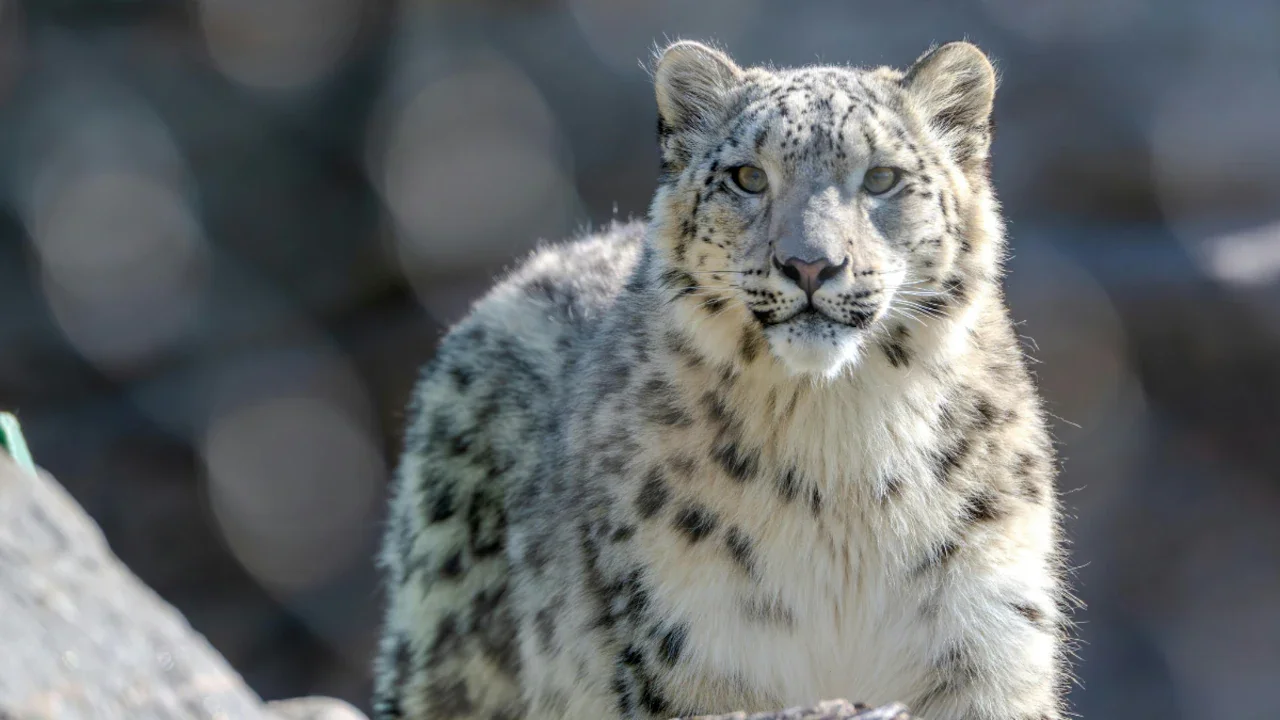
The snow leopard is likely to be the biggest attraction of the project. Often called the Ghost of the Mountains because of its ability to blend into rocky surroundings, the elusive animal is one of the most difficult wildlife species to spot in its natural habitat. Its camouflage allows it to disappear into the mountain landscape, making every sighting a rare experience.
Ladakh has a particularly important role in India’s snow leopard conservation efforts. The first nationwide scientific assessment of the species, conducted between 2019 and 2023, estimated that India has around 718 snow leopards. Ladakh accounted for an estimated 477 animals, giving the Union Territory the highest estimated population in the country.
Research by the Wildlife Institute of India has also used camera traps to document snow leopards in the region. The findings highlight Ladakh’s importance as one of India’s key landscapes for studying and protecting this rare high altitude predator.
The species, scientifically known as Panthera uncia, is listed as Vulnerable on the IUCN Red List. Habitat degradation, declining prey populations, human wildlife conflict, illegal hunting and climate related changes continue to create challenges for snow leopard populations. Any increase in tourism will therefore need to be managed carefully to avoid disturbing the animals and their fragile mountain habitat.
The proposed safari is also expected to create opportunities for people living in Ladakh. The administration plans to select and train around 20 local young people in areas such as birdwatching, bird identification and wildlife spotting. Participants are also expected to receive the equipment required for their work.
By involving local residents directly in tourism, authorities hope to connect conservation with livelihoods. Trained local guides could earn income by accompanying visitors while also helping tourists understand the importance of protecting the region’s wildlife and natural environment.
Ladakh has already taken steps toward building a broader conservation framework. The administration approved the establishment of the Snow Leopard and High Altitude Nature Conservation Society in June. The organization is expected to focus on wildlife conservation, scientific management, community participation, environmentally responsible tourism and sustainable livelihood opportunities.
The wildlife safari plan could therefore become more than a tourism attraction. If implemented carefully, it could provide a platform for visitors to experience Ladakh’s wildlife while supporting conservation programs and local communities.
For tourists, the proposed experience would be very different from a traditional forest safari. Instead of open grasslands and dense forests, visitors would travel through rugged mountain terrain where spotting wildlife requires patience, trained observation and an understanding of the high altitude environment.
The administration’s decision could give Ladakh a new identity in India’s wildlife tourism sector. With one of the country’s largest snow leopard populations, extensive protected landscapes and growing interest in responsible travel, the region has the potential to become a major destination for high altitude wildlife experiences.
The success of the project, however, will depend on how carefully tourism is balanced with conservation. Protecting wildlife habitats, controlling visitor activity and ensuring that local communities benefit from the project will be important as Ladakh develops this new tourism model.
If the safari is introduced as planned, visitors could soon have a more structured opportunity to explore Ladakh’s remote wildlife landscapes and search for one of the world’s most elusive mountain predators while supporting conservation and local livelihoods.