
Jamun Fruit Facts: Know Its English Name And Hidden Health Benefits
Jamun is a popular monsoon fruit known for its unique taste and medicinal value, with a rich history, nutritional benefits and surprising facts beyond its common identity.
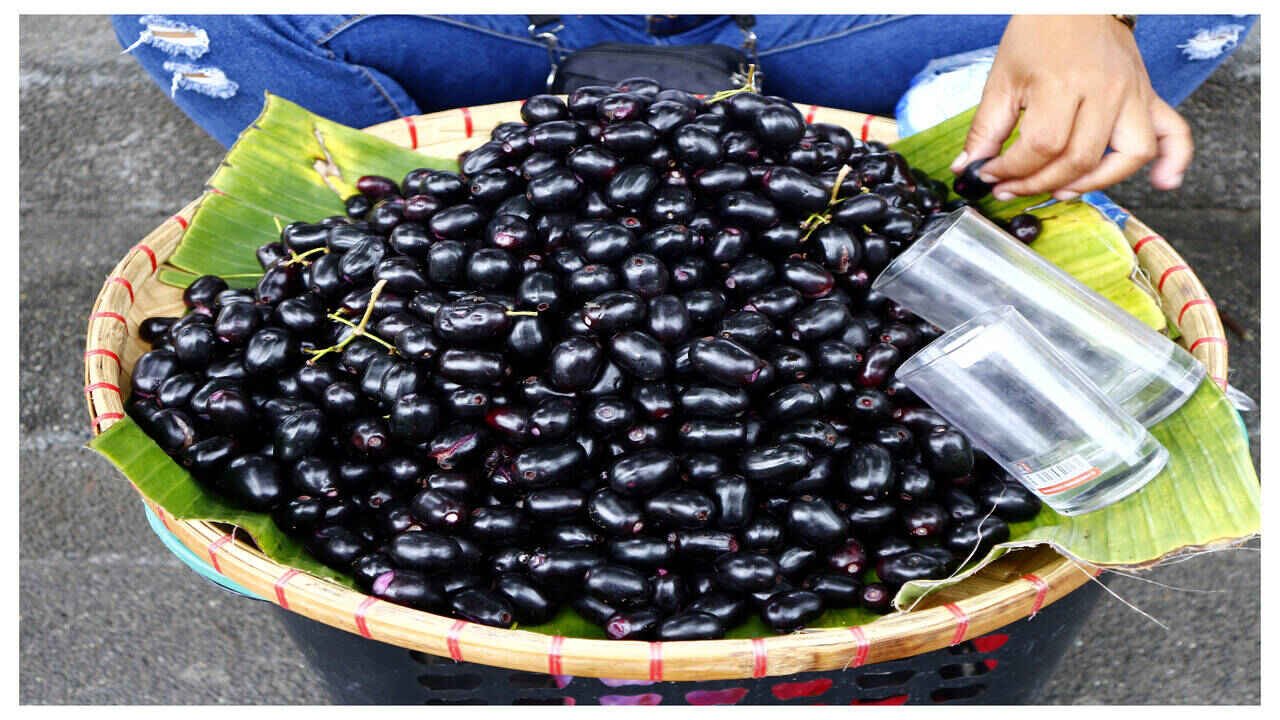
As the rainy season arrives, markets across India start filling with dark purple fruits that look like tiny black pearls. Known as Jamun in India, this seasonal fruit has been loved for generations because of its sweet, sour and slightly astringent flavour. However, many people are unaware of its English name and the interesting story behind it.
Jamun is called Java Plum in English. It is also known as Black Plum and Malabar Plum in international markets. Its scientific name is Syzygium cumini. Although many people refer to it as Indian Blackberry because of its dark colour, it is not related to the actual blackberry fruit.
The reason behind the name Java Plum is linked to Indonesia’s Java island, where this fruit has been widely cultivated for centuries. European and British traders who visited Asian regions noticed its popularity in Java, which helped the name Java Plum become widely recognised.
Jamun has been valued not only as a tasty fruit but also as a traditional medicinal ingredient. Ayurveda and Unani medicine have used different parts of the Jamun tree, including its fruit, seeds and leaves, for thousands of years due to their beneficial properties.
The fruit is packed with important nutrients such as protein, dietary fibre, vitamin A, vitamin B3, vitamin C, iron, calcium, phosphorus, magnesium, potassium and copper. It also contains powerful antioxidants like flavonoids and polyphenols, which help protect the body from harmful free radicals.
Jamun seeds and leaves are also considered valuable because they contain bioactive plant compounds. These natural elements have made different parts of the tree an important part of traditional health practices.
One of the most discussed benefits of Jamun is its role in supporting blood sugar management. The bioactive compounds present in the fruit and seeds are believed to help maintain healthy blood sugar levels, which is why Jamun is often recommended as a seasonal fruit for people looking after their glucose balance.
The fruit also contains antibacterial and anti inflammatory properties that may support the body’s natural defence system. Regular consumption of Jamun can contribute to better digestion, improved immunity and overall wellness due to its fibre and antioxidant content.
There are several interesting facts about this fruit that many people may not know. Despite its nickname Indian Blackberry, Jamun belongs to the Myrtaceae family, while true blackberries belong to the Rosaceae family. Their similarity mainly comes from their dark appearance rather than their botanical connection.
With its refreshing taste, nutritional value and traditional importance, Jamun remains one of the most special fruits of the monsoon season. This naturally grown black coloured fruit continues to hold a unique place in Indian food culture and health traditions.