Is Drinking Rainwater Safe Experts Explain the Hidden Health Risks and Precautions
Many people believe rainwater is naturally pure but health experts warn that drinking untreated rainwater may expose the body to harmful pollutants bacteria viruses and waterborne diseases.
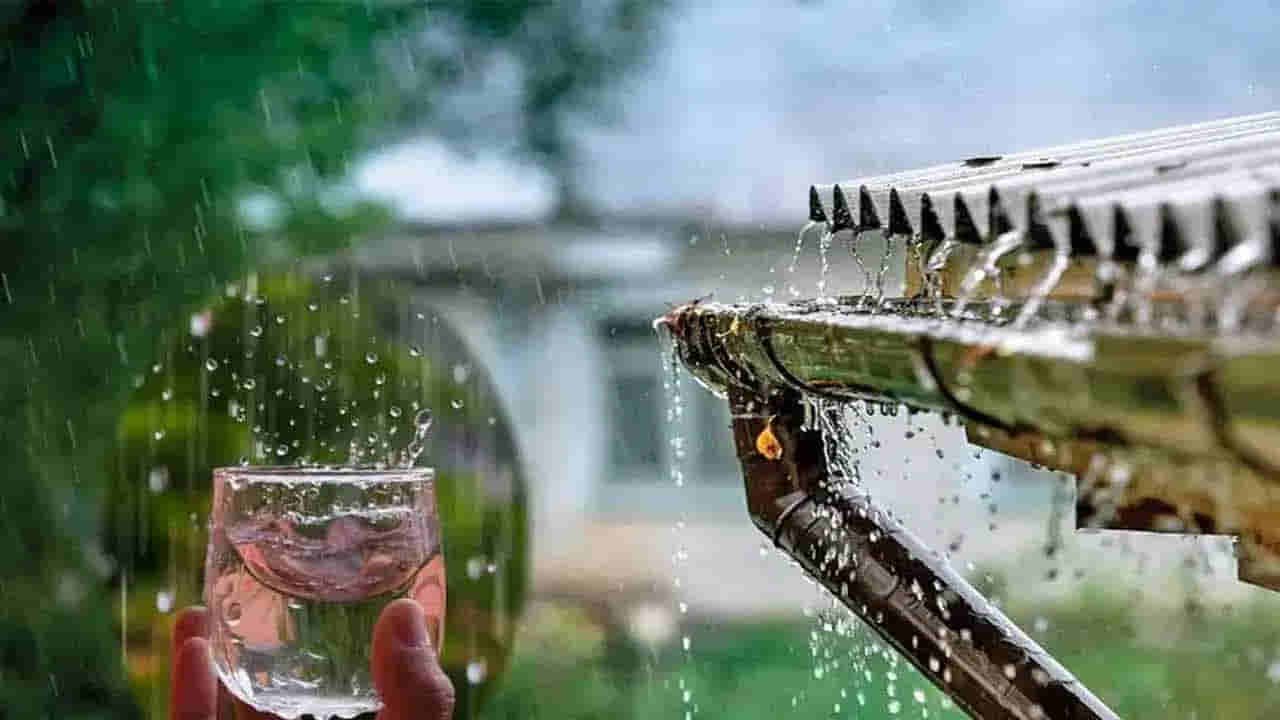
Rainy days often bring back childhood memories of standing under the open sky and catching raindrops directly in the mouth. Many people still believe that rainwater is one of the purest forms of natural water because it comes straight from the atmosphere. However, health experts say this common belief can be misleading. While rainwater begins as part of the natural water cycle, it can become contaminated before it reaches the ground, making it unsafe to drink without proper treatment.
According to medical experts, rainwater passes through layers of the atmosphere where it comes into contact with dust, smoke, industrial pollutants, harmful gases, bacteria and viruses. By the time it reaches rooftops, roads or open containers, it may carry additional contaminants that increase the risk of illness. Because of this, untreated rainwater should never be considered safe for direct consumption.
Doctors also advise people to avoid collecting or drinking the first rainfall of the season. The initial showers wash away pollutants that have accumulated in the air over several weeks or months. As a result, the first rain often contains higher levels of airborne chemicals, acids and other harmful particles that can affect health if consumed.
Experts point out that one of the most common mistakes is drinking rainwater directly while it is falling. Although it may appear fresh, the droplets can absorb pollutants from the surrounding atmosphere before reaching the mouth. This means harmful substances can enter the body without any visible signs of contamination.
Another widespread misconception is that rainwater is naturally alkaline and can improve the body’s pH balance. Health professionals say there is no scientific evidence to support this claim. In reality, rainwater is usually slightly acidic because it absorbs gases such as carbon dioxide from the atmosphere. In polluted regions, the acidity can be even higher due to additional airborne chemicals.
Improper storage is another major concern. Collecting rainwater in buckets or tanks and drinking it without boiling or filtering can create serious health risks. Standing water can become a breeding ground for bacteria and other microorganisms, especially if the storage containers are not cleaned regularly or remain uncovered.
Consuming contaminated rainwater may lead to several health problems. Doctors warn that it can cause stomach infections, vomiting, severe diarrhea and food poisoning. In some cases, untreated rainwater may also carry pathogens responsible for waterborne diseases such as typhoid, cholera and hepatitis A, particularly when sanitation conditions are poor.
For those who wish to use rainwater for drinking, experts recommend thorough purification before consumption. Boiling the water is one of the simplest and most effective ways to kill harmful bacteria and viruses. A high quality water filtration system is also recommended to remove heavy metals, chemical pollutants and other impurities that boiling alone cannot eliminate.
If proper purification is not possible, specialists suggest using harvested rainwater only for non drinking purposes. It can be safely used for watering plants, washing clothes, cleaning outdoor areas or bathing, depending on its quality and storage conditions.
Health professionals emphasize that rainwater can be a valuable natural resource when managed correctly, but it should never be assumed to be safe simply because it falls from the sky. Proper treatment and careful handling are essential before it is used for drinking, helping people enjoy the benefits of rainwater without putting their health at unnecessary risk.