How to Respectfully Dispose of Flowers Used in Worship According to Hindu Traditions
Flowers offered during Hindu worship are considered sacred and should be handled respectfully after rituals through environmentally friendly practices while avoiding actions traditionally regarded as disrespectful or inappropriate
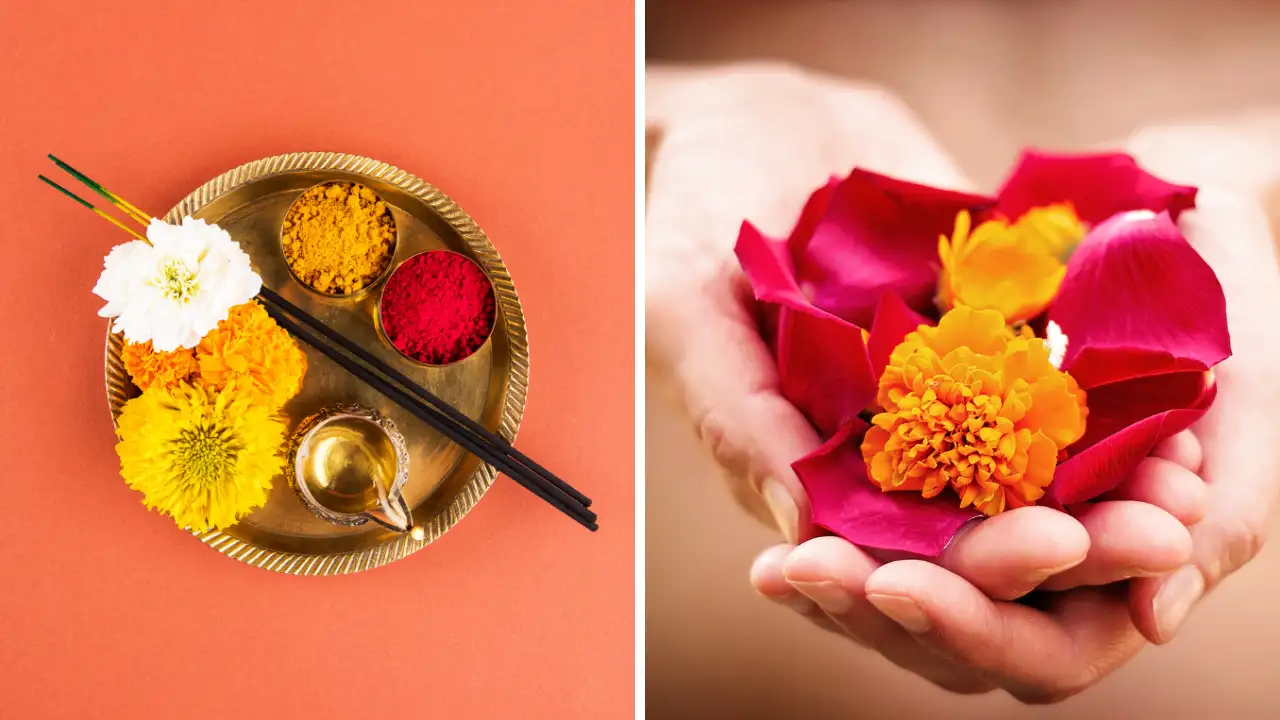
Flowers offered to deities during Hindu worship hold a special spiritual place in many households. Once they have been used in rituals, these flowers are known as Nirmalyam and are traditionally regarded as sacred. Because they have been offered in devotion, many people believe they should be handled with care even after they begin to dry. Religious traditions encourage respectful disposal rather than treating them like ordinary waste.
One of the most common mistakes people make is throwing used prayer flowers into household garbage. According to Hindu customs, this is considered disrespectful because the flowers were first offered to a deity. Similarly, leaving them on roads, footpaths, or public places where they may be stepped on is also discouraged. Many families believe such practices go against the reverence shown during worship.
Another practice to avoid is keeping old or dried flowers in the prayer room for long periods. Once they have wilted, they should be removed in a timely manner. While customs may differ from one family to another, many traditional beliefs recommend maintaining a clean and fresh prayer space by replacing old offerings with new ones.
One of the most environmentally friendly ways to dispose of sacred flowers is to place them in a garden or flower pot. As the flowers naturally decompose, they become organic compost that nourishes plants. This method not only respects religious sentiments but also supports sustainable gardening by returning natural materials to the soil.
Where local traditions and environmental guidelines permit, some people immerse used flowers in flowing water such as a river or stream. However, it is important to ensure that only biodegradable flowers are placed in the water. Plastic bags, decorative materials, threads, or any non biodegradable items should never be discarded into natural water bodies, as they contribute to pollution.
Dried flower petals can also be put to meaningful use instead of being discarded immediately. Petals from flowers such as roses, marigolds, and chrysanthemums may be dried and powdered before being mixed with natural ingredients like resin, clarified butter, or camphor to prepare fragrant incense for home use. Many families value this practice because it allows the flowers to continue serving a devotional purpose.
Another traditional approach is to soak the flowers in clean water for a few hours and later use that water to nourish trees or plants. Some households prefer offering the water to sacred trees growing nearby as a gesture of respect. This method reflects the idea of returning natural offerings to nature in a thoughtful and responsible way.
The customs surrounding Nirmalyam may vary across regions and families, but the underlying principle remains the same. Items offered during worship are treated with gratitude and respect. By choosing eco friendly disposal methods and avoiding practices considered insensitive in tradition, devotees can honor both their spiritual beliefs and the environment while preserving the sanctity of their daily worship.