
Homemade Paneer Secrets: How Much You Really Get From One Litre of Milk
Paneer lovers are switching to homemade recipes as concerns over adulteration grow, but the milk type you choose can drastically change yield, texture, and softness of fresh paneer.
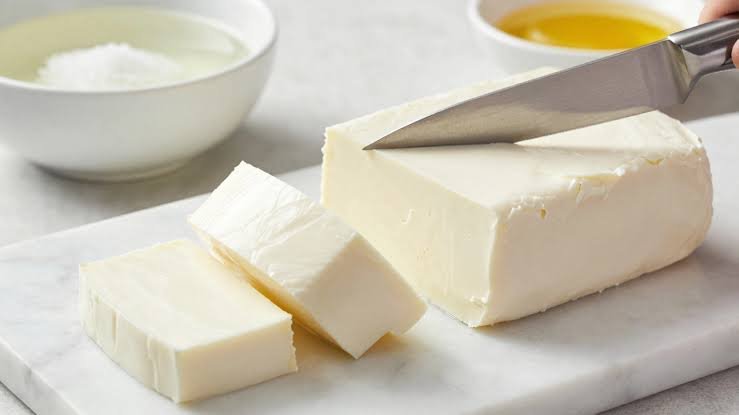
Paneer has quietly become one of the most trusted protein sources in vegetarian kitchens. From rich curries like paneer butter masala to spicy starters like paneer tikka, its demand never seems to slow down. But rising concerns about adulteration in the market have pushed many households to prepare fresh paneer at home instead of relying on store bought packs.
At the heart of homemade paneer lies a simple question that confuses many home cooks. How much paneer does one litre of milk actually produce. The answer is not fixed because it depends heavily on the type and quality of milk used. Fat content plays the biggest role in determining both quantity and softness.
Fresh buffalo milk usually gives the highest yield. From one litre, it can produce around 200 to 250 grams of paneer, sometimes even slightly more if the milk is rich and thick. Cow milk, on the other hand, produces a lighter quantity, typically around 150 to 200 grams per litre. Packaged full cream milk falls somewhere in between, offering roughly 180 to 220 grams depending on its composition.
Many people do not realise that milk freshness also affects the result. Milk with higher fat content and minimal processing gives softer and more elastic paneer. Ultra heat treated milk often reduces yield and can slightly alter the texture, making it less creamy compared to fresh milk.
Interestingly, most home cooks now prefer buffalo milk for festive cooking or restaurant style dishes because it delivers a richer block of paneer that holds shape well during frying or grilling. Cow milk paneer, meanwhile, is considered softer and lighter, often preferred for daily meals.
Making paneer at home is also surprisingly simple once the basics are understood. Milk is first brought to a gentle boil. Once it starts bubbling, a souring agent like lemon juice or vinegar is added slowly while stirring. Within minutes, the milk separates into solid curds and a pale greenish whey.
The next step is straining. A clean cotton cloth is placed over a sieve and the curdled milk is poured into it. The liquid drains away, leaving behind fresh paneer. Washing it with cold water helps remove any lingering sour smell from lemon or vinegar.
To set the paneer, the cloth is tied and pressed under a heavy object for about 20 to 30 minutes. This gives it a firm shape that can be cut into cubes. Once set, it is ready to be used in cooking or stored in the refrigerator for later use.
Homemade paneer not only ensures purity but also allows control over texture and taste. With just a litre of milk and a few minutes of preparation, a fresh and healthy ingredient can be added to everyday meals without any doubt about quality.