
High Cholesterol Alert These Everyday Foods May Help Keep Bad Cholesterol in Check
High cholesterol often has no obvious warning signs, but choosing fiber rich foods and healthier fats may help manage bad cholesterol while supporting overall heart health.
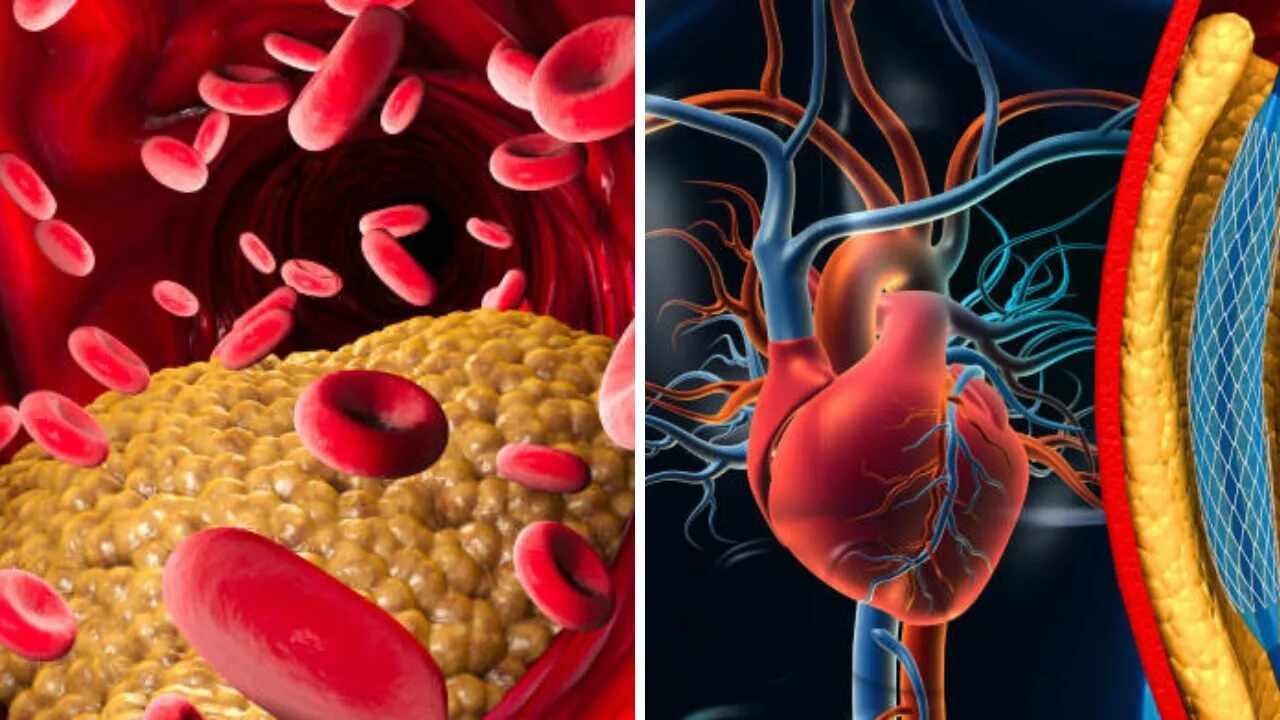
• High cholesterol can affect heart health.
• Fiber rich foods may help manage bad cholesterol.
• Healthy fats can support cholesterol control.
High cholesterol can develop quietly, with many people having no noticeable symptoms. It is often discovered through a blood test rather than physical warning signs. When LDL cholesterol remains high, it can contribute to plaque buildup in the arteries and raise cardiovascular risk.
Food choices can play an important role in managing cholesterol. Regularly eating foods high in saturated fat, including fatty meats, butter and full fat dairy products, can make it harder to maintain healthy cholesterol levels.
Oats and barley are useful additions to a cholesterol friendly diet because they contain soluble fiber. Beans and lentils are also good choices, offering fiber and plant based protein that can fit easily into everyday meals.
Nuts and seeds can provide another simple option. Almonds, walnuts, chia seeds and flaxseeds contain healthy fats, fiber and other nutrients. They can be added to breakfast, salads or eaten as a small snack.
Avocado and olive oil are also sources of unsaturated fats. Using them in place of foods higher in saturated fat can make everyday meals more heart friendly.
Fatty fish such as salmon, tuna, sardines and mackerel provide omega 3 fatty acids. Including fish as part of a balanced diet can be a useful alternative to meals that are high in saturated fat.
Fruits, vegetables and whole grains also deserve a regular place on the plate. Rather than relying on one particular food, building meals around a variety of fiber rich and minimally processed foods may offer greater benefits.
Lifestyle matters alongside diet. Regular physical activity, maintaining a healthy weight, avoiding smoking and managing stress can all support heart health. Anyone taking prescribed cholesterol medication should not stop it without medical advice.
Since high cholesterol generally does not cause clear symptoms, a person cannot reliably judge their cholesterol level by how they feel. A lipid panel blood test is commonly used to check cholesterol levels.
If a test shows high cholesterol, discussing the results with a healthcare professional is important. People with a family history of high cholesterol or heart disease may also benefit from discussing appropriate testing and risk factors with their doctor.
Small food swaps can be easier to maintain than sudden, restrictive diet changes. Choosing oats over refined breakfast foods, beans in place of some meat based meals and olive oil instead of butter can gradually support a healthier eating pattern.