
Food Safety Raids Expose Suspected Adulterated Ghee Sales Across Telangana
Large scale inspections across Telangana uncovered suspected adulterated ghee samples prompting seizures laboratory testing and stricter enforcement as officials warned against compromising food quality and consumer health standards.
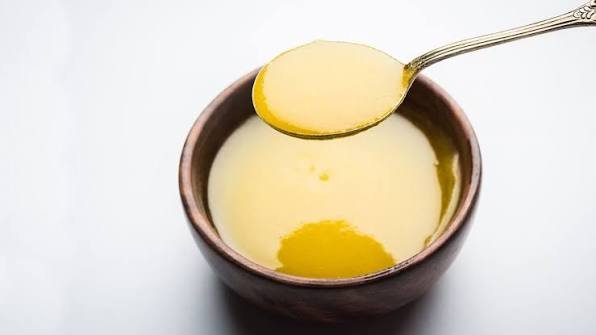
A statewide crackdown on suspected adulterated ghee has uncovered alarming irregularities in Telangana, with food safety authorities seizing hundreds of kilograms of products believed to be mixed with cheaper edible oils. The extensive inspection drive covered dozens of businesses, highlighting growing concerns over food adulteration and consumer safety.
Officials conducted inspections at 65 establishments across the state and collected 91 ghee samples for laboratory analysis. The operation was aimed at identifying manufacturers and sellers suspected of supplying adulterated products instead of pure dairy based ghee. Authorities said further action will depend on the results of scientific testing.
In the Hyderabad Core Urban Region, commonly known as CURE, inspection teams visited 14 locations and collected samples from multiple outlets. During the operation, officials seized around 850 kilograms of suspected adulterated ghee. They also destroyed nearly 60 kilograms of contaminated ghee on the spot after identifying serious quality concerns.
According to preliminary findings, some manufacturers were allegedly preparing ghee by blending palm oil, vanaspati and coconut oil before selling it as pure ghee. Such practices not only mislead consumers but also violate food safety regulations designed to ensure product quality and transparency.
Food Safety Department officials stated that selling adulterated ghee is a serious violation of food safety laws. Businesses found guilty after laboratory confirmation could face strict legal action under the relevant regulations. Authorities have already issued notices to five establishments located in different districts during the statewide inspection campaign.
Experts explain that genuine ghee must meet clearly defined quality standards. Pure ghee should contain at least 99.5 percent milk fat, while its moisture content should remain below 0.5 percent. Any significant deviation from these standards may indicate adulteration or poor manufacturing practices.
The inspection drive was launched amid growing concerns about the increasing availability of adulterated food products in the market. Officials believe that replacing expensive milk fat with lower cost oils allows dishonest manufacturers to reduce production costs while charging customers the price of authentic ghee.
Authorities have urged consumers to remain cautious while purchasing dairy products. Buyers are advised to choose trusted brands, examine product labels carefully and avoid unusually cheap products that appear significantly below prevailing market prices.
The collected samples have been sent to accredited laboratories for detailed testing. Investigators will compare the chemical composition of each sample with prescribed food safety standards to determine whether adulteration has taken place. Businesses found violating the rules may face penalties, product seizures and additional legal proceedings.
Food safety officials also emphasized that routine inspections will continue across Telangana to protect consumers and maintain confidence in food products available in the market. They warned manufacturers and retailers that any attempt to compromise quality for financial gain would invite stringent action.
The latest enforcement drive reflects the state’s increasing focus on ensuring that essential food items meet safety standards before reaching consumers. As laboratory reports become available, authorities are expected to take further action against businesses found responsible for producing or selling adulterated ghee.