
Flax Seeds Offer Powerful Nutrition Despite Their Tiny Size
Flax seeds are small but nutrient rich, providing plant based omega 3, fiber, protein and antioxidants that can easily fit into everyday meals and snacks.
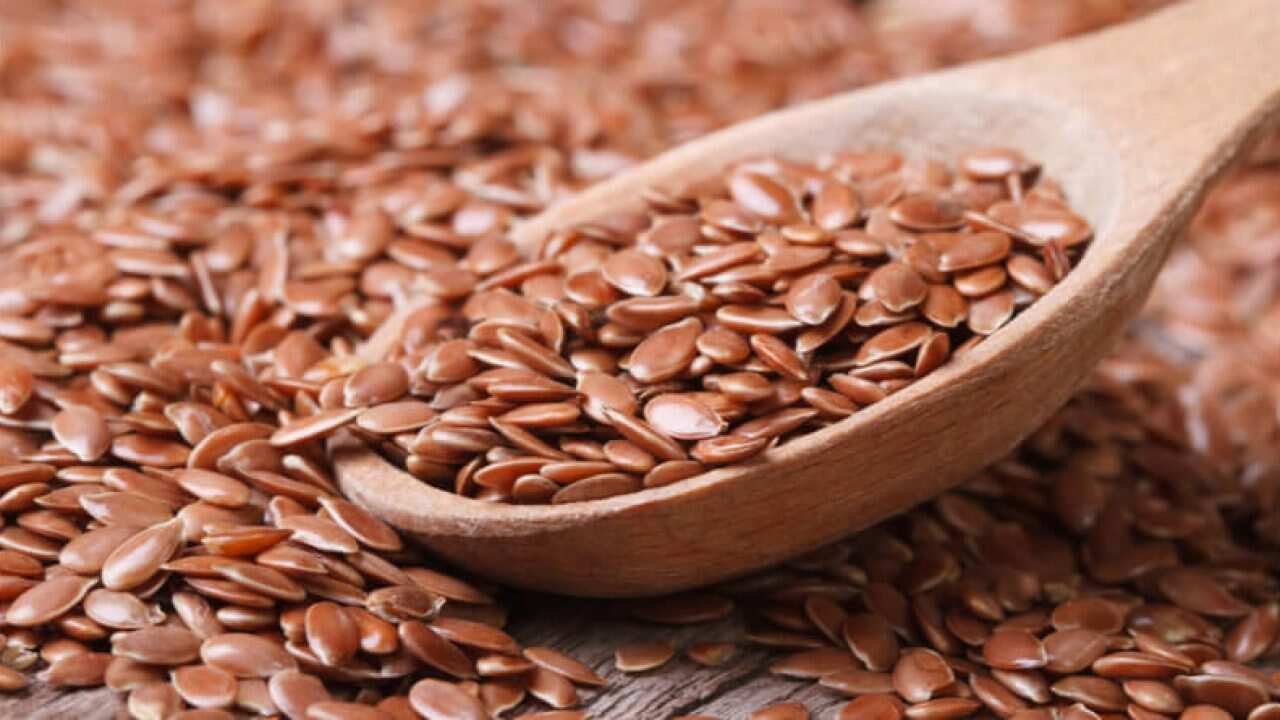
Flax seeds may be tiny, but they pack several nutrients into a very small serving. They contain alpha linolenic acid, a plant based omega 3 fatty acid, along with dietary fiber, protein and lignans.
Adding ground flax seeds to regular meals is one of the easiest ways to include them in the diet. They can be mixed into porridge, dal, salads, smoothies or even chapati dough. Many people prefer grinding the seeds shortly before use because whole seeds can be harder to digest.
One of the biggest advantages of flax seeds is their fiber content. Soluble fiber absorbs water and forms a gel like substance in the digestive system, which can support normal digestion and may help a person feel full for longer. This can make them a useful addition to a balanced eating routine.
The omega 3 content is another reason flax seeds have attracted attention, particularly among people following vegetarian or plant based diets. Alpha linolenic acid is an essential fatty acid and plays an important role in overall dietary health.
Flax seeds also contain lignans, plant compounds with antioxidant properties. These compounds add to the nutritional value of the seeds, although claims that flax seeds can prevent or treat serious diseases should not be taken as a substitute for medical care.
Their protein content can also contribute to daily protein intake. Rather than relying on a single food for protein, adding small amounts of seeds, pulses, nuts and other protein rich foods can help create a more balanced diet.
Flax seeds contain several minerals as well, including potassium. However, comparing their potassium content directly with individual foods such as bananas can be misleading because the amount consumed is usually different.
For everyday use, one to two tablespoons of freshly ground flax seeds can be added to breakfast or lunch. They can also be blended into smoothies or incorporated into homemade foods.
As with any food, moderation matters. People who are not used to eating much fiber should increase their intake gradually and drink enough water. Those with specific medical conditions or dietary restrictions should check with a healthcare professional before making major dietary changes.