Five Essential Skills Every Child Needs to Thrive in the Age of Artificial Intelligence
As artificial intelligence rapidly transforms the future, experts suggest parents must focus on emotional intelligence, creativity, adaptability, critical thinking and independence to help children succeed beyond machines
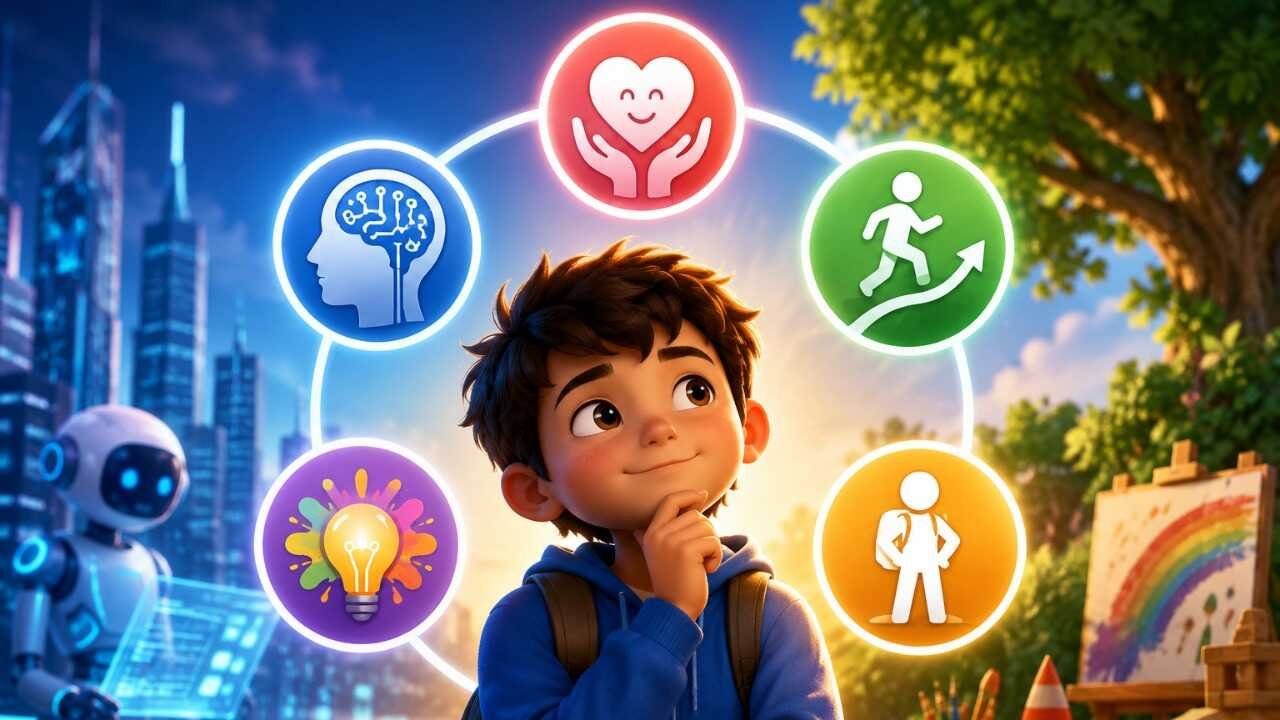
The world is entering a new phase where artificial intelligence is becoming a part of everyday life. From classrooms to workplaces, machines are now capable of solving problems faster than humans in many areas. This shift often creates a concern among parents about whether children will be able to compete in such a technology driven future. However, experts believe that instead of fear, the focus should be on building the right human skills that no machine can replace.
One of the most important abilities children must develop is emotional understanding. While AI can provide information, it cannot truly feel or understand human emotions. Teaching children how to manage anger, express sadness and understand others’ feelings helps them build stronger relationships in life. Encouraging open communication at home allows them to grow emotionally confident and socially aware.
Another crucial skill is critical thinking. In today’s digital world, children are exposed to unlimited information, but not everything they see online is true. They must learn to question, analyze and think independently instead of accepting everything blindly. Parents can support this by asking simple questions that encourage reasoning, helping children form their own opinions and decisions.
Adaptability is equally important in a fast changing world. Technology and job opportunities are evolving quickly, and children need to be prepared for uncertainty. Teaching them to handle failure without fear and learn from mistakes builds resilience. When they understand that setbacks are part of growth, they become more confident in facing future challenges.
Creativity is something that sets humans apart from machines. Artificial intelligence can process data, but it cannot imagine or create in the same way humans do. Whether it is drawing, music, storytelling or solving problems in new ways, creative thinking allows children to stand out. Giving them freedom to explore hobbies beyond academics helps unlock their imagination.
Independence and self responsibility also play a key role in shaping strong individuals. When children learn to manage small tasks on their own, such as organizing their space or handling daily routines, they develop confidence and discipline. These habits prepare them to face real world challenges without relying completely on others.
Together, these five skills emotional intelligence, critical thinking, adaptability, creativity and independence form a strong foundation for the future. In an AI driven world, success will not depend only on technical knowledge but on how well humans can think, feel and create. Preparing children with these abilities today will help them grow into confident individuals who can thrive alongside technology rather than be replaced by it.