Excessive Hair Fall Could Be Linked to Zinc Deficiency
Excessive hair fall can have several causes, and zinc deficiency is one possibility because this mineral supports healthy follicles, cell growth, tissue repair, and normal scalp function in the body.
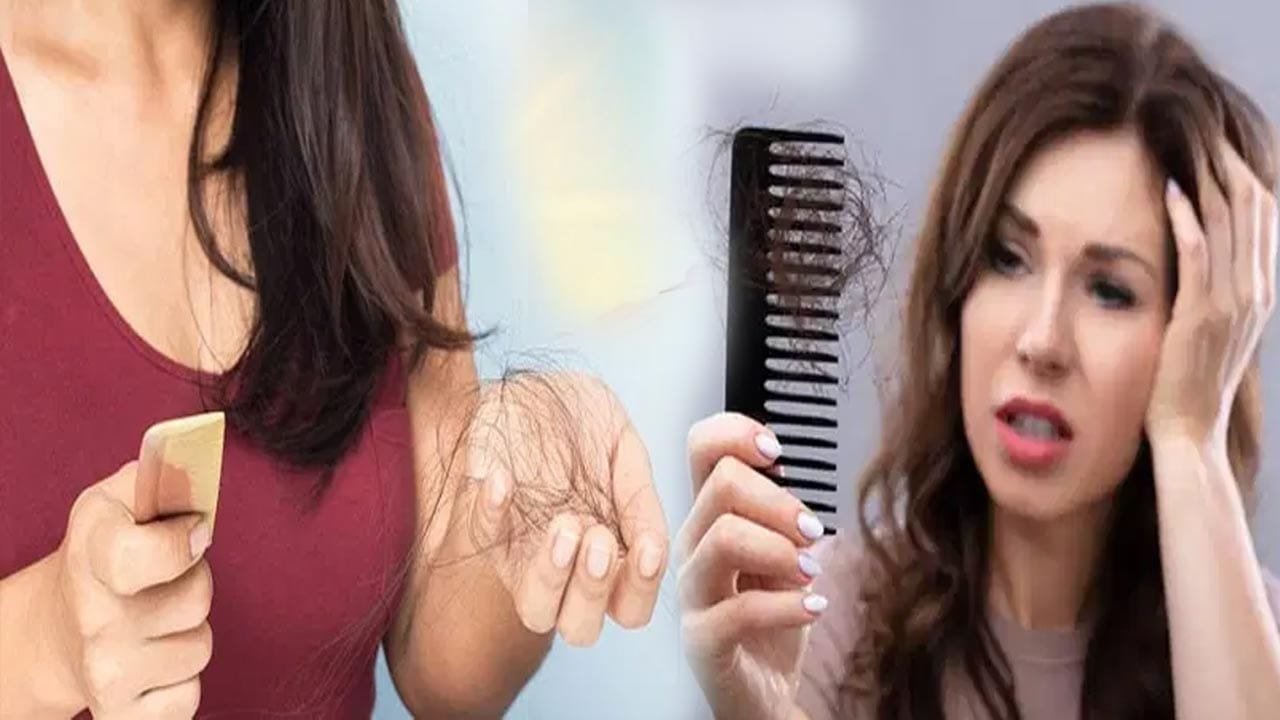
Hair fall has become a common concern for many people, but the reason is not always easy to identify. Changes in diet, stress, illness, hormonal changes and nutritional deficiencies can all affect the normal hair growth cycle. Among the nutrients linked with healthy hair, zinc has an important role.
Zinc is a mineral the body needs in small amounts, but its functions are important. It supports cell growth and tissue repair and also contributes to the normal functioning of the skin and immune system. Since hair follicles are constantly producing new cells, adequate nutrition is important for maintaining normal hair growth.
A lack of zinc may be associated with increased hair shedding in some people. However, hair loss does not automatically mean that someone has a zinc deficiency. Several different conditions can produce similar symptoms, so identifying the actual cause is important.
Some signs may appear alongside a nutritional deficiency. Increased hair shedding, weaker hair, dry skin, slow wound healing and frequent illness can occur with zinc deficiency, although these symptoms can also have other causes.
Diet is one practical way to obtain zinc. Pumpkin seeds, sesame seeds and sunflower seeds are useful plant based sources. Nuts such as almonds, cashews and walnuts can also contribute zinc along with other nutrients.
Legumes are another option for people looking for plant based foods. Chickpeas, lentils and other pulses can provide zinc as part of a balanced diet. Foods such as ragi can also contribute to overall nutritional intake.
Dairy products including milk, curd and paneer contain zinc as well. For people who eat animal foods, eggs, fish and chicken can also provide zinc and protein, both of which are useful components of a balanced diet.
Simply adding one food to the diet may not solve excessive hair fall. Hair health depends on overall nutrition, adequate protein, general health and other factors. Using different hair oils or changing shampoos may not address the underlying problem if the cause is related to nutrition or another health condition.
It is also important not to take high dose zinc supplements without professional advice. Too much zinc can cause problems and can interfere with the absorption of other minerals. If hair loss is sudden, severe or continues for a long time, consulting a qualified healthcare professional can help identify the underlying reason.
A balanced diet containing vegetables, fruits, whole grains, pulses, nuts, seeds and suitable sources of protein can support overall health. Good nutrition is not an instant solution for every hair problem, but it provides the body with the nutrients needed for normal growth and repair.
Therefore, if hair fall has increased noticeably, checking the overall diet may be a sensible first step. Zinc is one nutrient worth paying attention to, but it should not automatically be considered the only reason behind excessive hair loss.