Eating Curd During Monsoon Know These Important Facts Before Adding It To Your Diet
Curd offers several health benefits, but monsoon conditions require extra care while consuming it to avoid digestive discomfort, seasonal infections, and other possible health concerns.
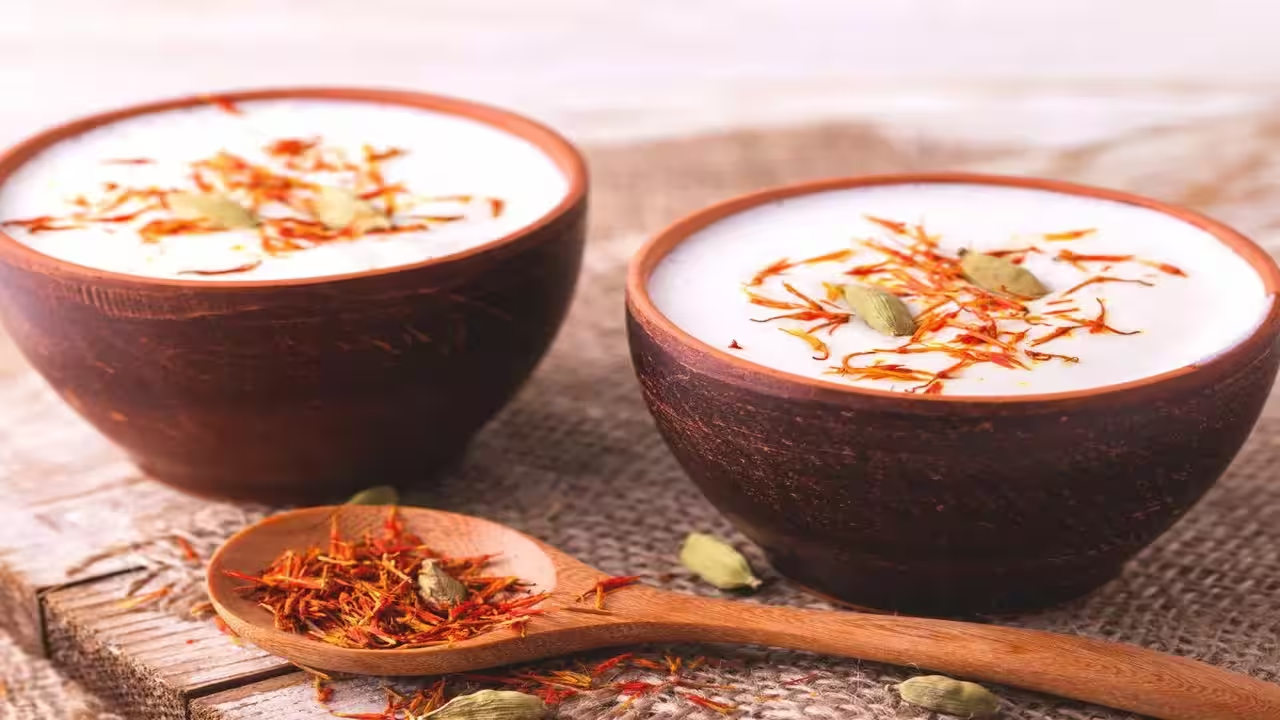
Curd is a favourite food for many people, and for some, a meal feels incomplete without adding a bowl of curd. However, during the rainy season, many people avoid eating curd due to the common belief that it may cause cold and throat problems. Health experts suggest that curd does not necessarily need to be completely avoided during monsoon, but certain precautions can help prevent possible issues.
During the rainy season, increased humidity and cooler weather can affect digestion for some individuals. According to traditional health practices, consuming cold and heavy foods when digestion is slower may lead to discomfort. Ayurveda also suggests that curd may increase mucus levels in the body, which could worsen problems like cold, cough, or throat irritation in some people.
Another concern during monsoon is food freshness. Due to higher moisture levels, bacteria can multiply faster, causing dairy products like curd to spoil quickly. Eating improperly stored or overly fermented curd may lead to stomach-related problems. People who already experience digestive issues are advised to be more careful and seek medical guidance if needed.
One important tip is to avoid eating curd at night during the rainy season. Experts often recommend having curd during lunchtime instead, as consuming it late in the evening may increase the chances of digestive discomfort for some people.
Eating curd straight from the refrigerator is another habit that should be avoided. It is better to allow curd to reach normal room temperature before consumption, especially during colder and rainy weather conditions.
Many health experts suggest converting curd into buttermilk during monsoon. Adding water and preparing a light buttermilk drink can make it easier to digest. Some people also add ingredients like ginger or turmeric to improve flavour and support digestion.
Freshness is another key factor when consuming curd during the rainy season. Freshly prepared curd is considered a better option compared to curd that has been stored for several days or has become excessively sour.
Adding digestive spices can also make curd easier to consume. Ingredients such as cumin powder, black pepper, or ginger are commonly used with curd to balance its cooling nature and improve digestion.
Despite these precautions, curd remains a nutritious food with several health advantages. It contains probiotics that support gut health and may help improve digestion-related issues such as acidity, gas, and constipation. Regular consumption of curd can also support the immune system by promoting a healthy balance of gut bacteria.
Curd is also a good source of calcium and phosphorus, which are important for maintaining strong bones and teeth. Its protein content combined with relatively fewer calories makes it a popular choice among people looking for healthier food options.
Overall, curd can still be included in a monsoon diet if consumed correctly. Choosing fresh curd, avoiding excessive intake, and paying attention to personal digestion needs can help people enjoy its benefits while reducing the chances of seasonal discomfort.