
Easy Ways To Protect Rice From Insects During Rainy Season
Increased moisture during monsoon can spoil stored rice, but simple natural methods and proper storage habits can help keep grains fresh.
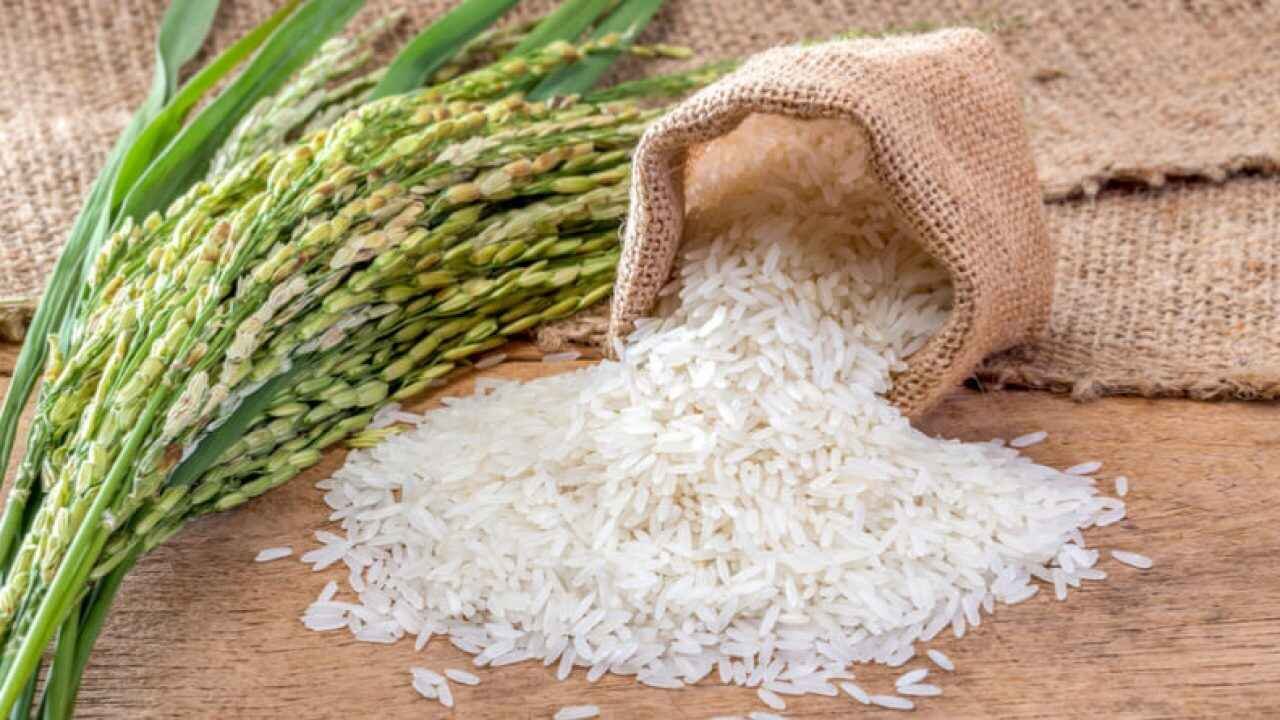
Rice is a daily essential in many households, and many families prefer buying it in bulk and storing it for several weeks or months. However, the rainy season often creates problems because increased humidity can attract insects and small pests into stored rice.
Once insects enter rice, they can damage the grains from inside, turning them into powder and affecting the taste and quality of cooked food. Instead of using chemical solutions, several traditional methods can help protect rice naturally.
One of the oldest and most trusted methods is using dried neem leaves. Neem has been used for generations to protect grains because its bitter properties help keep insects away. Dried neem leaves can be placed inside a cotton cloth pouch or mixed between layers of rice in a storage container to reduce the chances of pest infestation.
Bay leaves are another useful option for rice storage. Their strong aroma works as a natural insect repellent. Keeping a few dried bay leaves inside a rice container or storage bag can help prevent insects from approaching the grains.
Cloves can also provide protection due to their strong fragrance and natural antimicrobial properties. Adding around 10 to 15 cloves to a rice container or bag and keeping it tightly closed can help maintain the quality of stored rice.
Camphor is another traditional method used by many households, especially during humid weather. A few camphor pieces can be wrapped securely in a small cloth and placed on top of the rice container. It is important that camphor should not directly touch the rice. The strong smell can help prevent insects and reduce moisture related issues.
Some people also use dried chillies and garlic cloves as a natural protective method. Placing a few dried chillies and unpeeled garlic cloves inside a rice storage bag can help keep pests away because of their strong smell. Garlic and chillies should be replaced when they lose their freshness.
Apart from these natural methods, proper storage plays a major role in protecting rice. Rice should always be kept in airtight plastic or steel containers. A loose lid allows moisture from the rainy weather to enter, which can spoil the grains faster.
Avoid taking rice with wet hands while cooking, as moisture from hands can affect the stored grains. Using a completely dry spoon or container to take out rice helps maintain freshness.
If rice has already developed insects, keeping it under sunlight for some time can help remove pests. The heat from sunlight can drive away insects and reduce moisture in the grains.
With simple precautions and natural household remedies, rice can be protected from insects during the rainy season without depending on harsh chemicals. Proper storage and regular checks can help maintain the quality of one of the most important foods in Indian kitchens.