
Early Menopause Before 40 May Raise Heart Health Risks Among Women Experts Warn
Premature menopause can cause hormonal changes that may affect heart health, increasing the risk of blood pressure problems and cardiovascular diseases in younger women.
Menopause is a natural stage in every woman’s life, but when it occurs before the age of 40, doctors consider it premature or early menopause. Health experts are now highlighting the importance of awareness as early menopause may not only affect fertility but could also influence long term heart health.
Normally, menopause occurs between the ages of 45 and 55 when menstrual periods permanently stop. A woman is generally considered to have reached menopause when she does not experience periods for 12 consecutive months without any other medical reason. However, some women may experience this transition much earlier due to various health and biological factors.
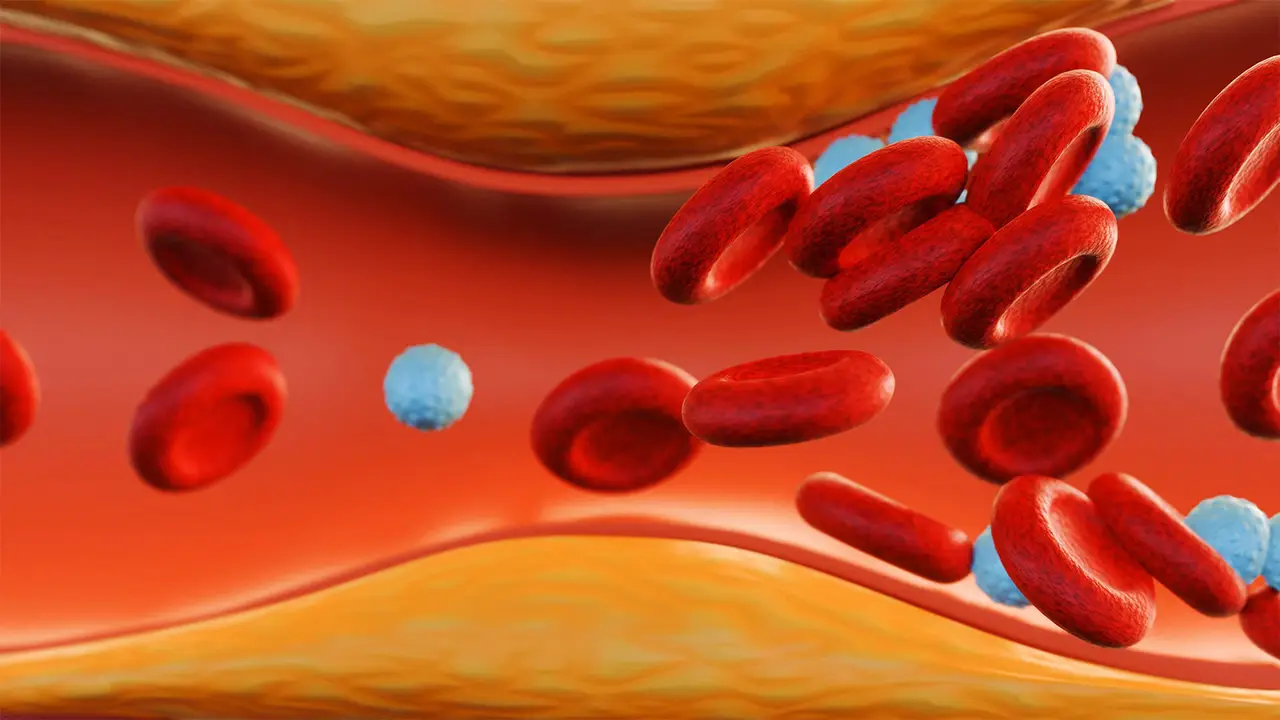
Doctors explain that one of the major concerns linked with early menopause is the drop in estrogen levels. This hormone plays an important role in maintaining healthy blood vessels and supporting cardiovascular function. Reduced estrogen levels may affect blood vessel flexibility and increase the possibility of conditions such as high blood pressure, heart disease and stroke.
Lifestyle habits can further increase these risks among women experiencing early menopause. Factors such as excess body weight, especially abdominal fat, lack of physical activity, high consumption of salty and processed foods, smoking, alcohol use, stress, poor sleep, diabetes and high cholesterol can negatively affect heart health.
Women who experience early menopause or are above the age of 40 are advised to monitor their blood pressure regularly. Health professionals recommend including more fruits, vegetables, whole grains, pulses and healthy fats in daily meals while limiting packaged foods, sugary drinks and excessive salt intake.
Regular physical activity can also make a significant difference. Doctors suggest activities such as walking, yoga, cycling or swimming for at least 30 minutes a day to support overall health. Managing stress through meditation, breathing exercises and maintaining proper sleep habits can also help improve wellbeing during this stage.
Menopause brings several physical and emotional changes that vary from person to person. Common symptoms include irregular menstrual cycles, sudden feelings of heat known as hot flashes, night sweating, mood changes, sleep difficulties, vaginal dryness, reduced bone strength and changes in memory or concentration.
Although menopause itself is a natural biological process, early menopause should not be ignored. Women experiencing symptoms at a younger age should seek medical advice and undergo appropriate health evaluations. Early detection, a balanced diet, an active lifestyle and regular medical monitoring can help reduce the risk of future complications.
Experts emphasize that awareness and timely care play a key role in protecting women’s health. Understanding the signs of early menopause and taking preventive steps can help women maintain better heart health and overall quality of life.