Creamy Semiya Payasam That Stays Smooth After Cooling
A creamy semiya payasam recipe uses careful cooking, controlled heat, measured milk and sugar, plus a finishing trick to keep the dessert smooth and prevent it from thickening after cooling.
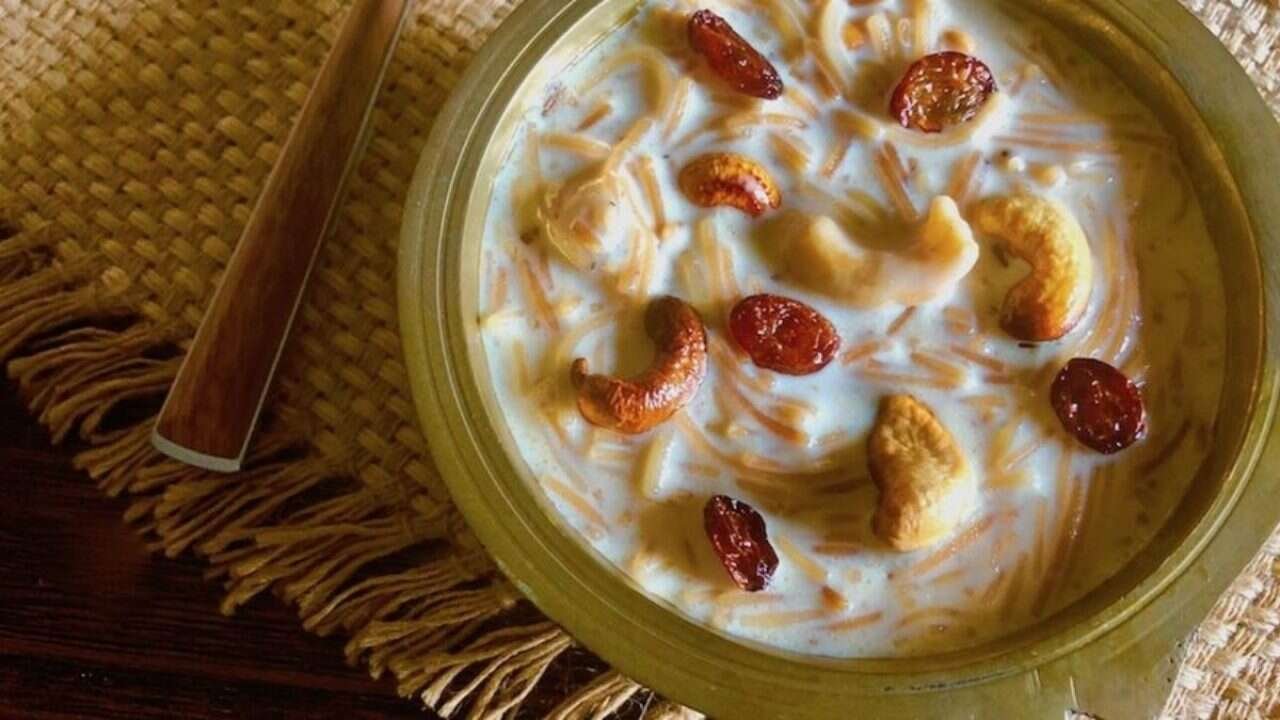
Semya payasam is one of those sweets that easily fits into both festive meals and ordinary family occasions. It takes little time to prepare, yet a few small mistakes can change its final texture. Many people find that the dessert becomes very thick after cooling, making it difficult to serve later.
The secret is not complicated. The amount of liquid, the cooking time and the stage at which the vermicelli is taken off the stove all make a difference. Using the right proportions can help produce a softer and creamier payasam instead of a thick mixture.
For this version, start by heating one tablespoon of ghee in a heavy bottomed pan. Add two tablespoons of cashews and fry them until they turn lightly golden. Add one tablespoon of raisins and cook until they puff up slightly. Remove both from the pan and keep them aside for later.
Add another tablespoon of ghee to the same pan and put in one cup of semiya. Roast the vermicelli over a low flame, stirring continuously so that it cooks evenly. The semiya should develop a light golden colour without getting burnt.
While the semiya is roasting, place one cup of water in another vessel and bring it to a boil. Once the vermicelli has been roasted properly, pour the hot water into the pan carefully. Allow the semiya to cook until it is about halfway done.
The next step is important for getting the right consistency. Add four cups of boiled and cooled milk to the pan and continue cooking over medium heat. Stir occasionally so that the milk does not stick to the bottom.
Do not wait until the semiya becomes completely soft before moving to the next stage. It should be around 90 percent cooked and still have a slight firmness. Overcooking the vermicelli can make the payasam much thicker once it cools.
At this point, add half a cup of sugar and stir until it dissolves completely. The quantity of sugar can be adjusted according to taste, but adding it after the semiya has nearly cooked helps maintain better control over the consistency.
For a richer and creamier finish, add two tablespoons of condensed milk. It gives the payasam a smooth texture and an extra layer of sweetness. If condensed milk is not available, one additional tablespoon of sugar can be used instead.
Once everything is well combined, switch off the flame. Add a small pinch of salt to balance the sweetness, followed by half a teaspoon of cardamom powder. Finally, add the roasted cashews and raisins and mix gently.
One simple step can make a noticeable difference when the payasam is being served after some time. Before serving, add two or three tablespoons of boiled and cooled milk and mix well. This helps loosen the mixture if it has started becoming slightly thicker.
The timing of this adjustment is useful during festivals and family gatherings because payasam is often prepared before everyone sits down to eat. Instead of keeping the dessert on the stove and adding more liquid repeatedly, a small amount of cooled milk can be mixed in just before serving.
The same recipe can also be prepared for festive offerings or special meals. The roasted semiya gives the dessert a pleasant flavour, while the combination of milk and condensed milk provides the creamy consistency many people prefer.
Another point to remember is the flame. Roasting the semiya too quickly on high heat can leave some pieces undercooked while others become dark. A low flame gives the vermicelli enough time to roast evenly and develop a better flavour.
The milk should also be handled carefully. Keeping the flame moderate and stirring at regular intervals can help prevent the milk from sticking to the pan. Using a heavy bottomed vessel makes this step easier.
The biggest mistake is usually overcooking. Semiya continues absorbing liquid even after the stove is turned off, so the payasam should look slightly looser while it is still hot. If it looks perfectly thick in the pan, it may become much thicker after cooling.
This method takes roughly 10 to 15 minutes once the ingredients are ready. With a little attention to the cooking stages, the result is a fragrant and creamy dessert that can be served warm or after cooling.
Whether it is prepared for a festival, a family gathering or simply to satisfy a sweet craving, semiya payasam does not require complicated ingredients. The key is maintaining the right balance between vermicelli, water, milk and sugar and stopping the cooking at the correct stage.
For a smoother result, remember three things. Roast the semiya evenly, avoid cooking it until completely soft and keep a little boiled milk ready for the final adjustment. These small steps can help prevent the dessert from turning overly thick after cooling.