Contact Lens Mistake Causes Serious Eye Infection Doctors Warn Users to Stay Careful
Contact lens users are being warned about Acanthamoeba infection, a rare but serious condition that can damage the cornea and affect vision without timely treatment.
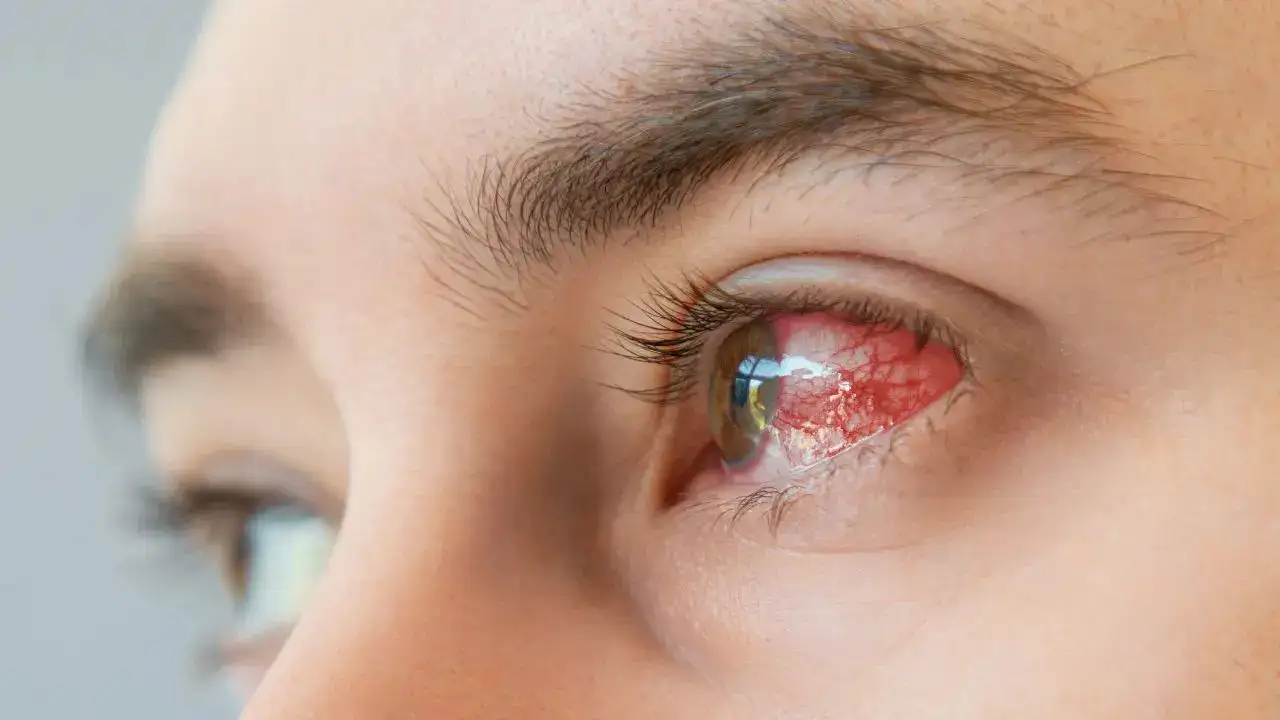
Contact lenses offer convenience for millions of people, but experts warn that even a small mistake in handling them can lead to serious eye problems. A recent case from the UK has raised concerns among contact lens users after a woman developed a severe infection that damaged her cornea.
According to reports, the woman was cleaning a horse stable when her eyes came in contact with dirty water and soil. Although she washed her face afterward, she continued wearing her contact lenses. A few days later, she started experiencing intense eye pain and blurred vision. Medical tests revealed that an infection caused by a parasite called Acanthamoeba had affected her eye and severely damaged the cornea. Due to the extent of the injury, her eyesight was impacted and she may require a corneal transplant in the future.
Doctors say this case highlights why contact lens users need to follow strict hygiene practices. The eyes are highly sensitive organs, and harmful bacteria, viruses, or parasites can enter easily when lenses are not handled properly.
Acanthamoeba is a microscopic parasite commonly found in soil, dust, lakes, rivers, tap water, and contaminated water sources. When it enters the eye, it can infect the cornea, the transparent outer layer responsible for focusing vision. The condition caused by this parasite is known as Acanthamoeba Keratitis and is more commonly associated with people who wear contact lenses.
The infection may initially appear as a simple eye problem, with symptoms such as redness, irritation, pain, or blurred vision. However, if treatment is delayed, the infection can become severe and damage the cornea. In serious cases, it may lead to reduced vision or even permanent eye complications.
Health experts advise contact lens users to avoid several common mistakes that can increase infection risks. Hands should always be washed properly before inserting or removing lenses. Wearing contact lenses while swimming, bathing, or entering dirty water should be avoided because contaminated water can carry harmful microorganisms.
Users should also clean and store lenses only with recommended lens solutions and should never reuse old cleaning liquid. Wearing lenses beyond the recommended duration can also increase the chances of eye irritation and infection. Following proper replacement schedules and maintaining hygiene can significantly reduce risks.
The Centers for Disease Control and Prevention also recommends careful contact lens practices, including proper cleaning, safe storage, and avoiding water exposure while wearing lenses. These simple habits can help protect eye health and prevent serious complications.
Doctors recommend seeking medical attention immediately if contact lens users experience severe eye pain, continuous redness, blurred vision, sensitivity to light, excessive watering, or a feeling that something is stuck in the eye. Sudden discomfort while wearing lenses should also not be ignored.
Early diagnosis and timely treatment are important in protecting eyesight. Experts say contact lenses are generally safe when used correctly, but ignoring basic safety measures can turn a simple vision aid into a serious health risk.