Common Cooking Oil Storage Mistakes That Could Affect Your Health
Nutrition experts warn that improper cooking oil storage can reduce nutritional value, speed up spoilage, and create harmful compounds making simple kitchen habits more important than many people realize today.
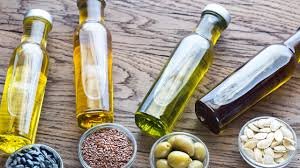
Buying a high quality cooking oil is only part of the equation. According to nutrition experts, the way oil is stored at home plays a major role in preserving its freshness, nutritional value, and safety. A common habit of keeping oil bottles next to the gas stove may seem convenient, but specialists say it can gradually damage the oil and reduce its quality over time.
Experts explain that cooking oil has three major enemies heat light and oxygen. Continuous exposure to these elements triggers oxidation, a natural chemical process that breaks down healthy fats. As oxidation increases, the oil can develop an unpleasant smell, lose its original taste, and become rancid. This not only affects the flavor of food but may also reduce the nutritional benefits of the oil.
One of the most common storage mistakes is placing cooking oil close to the stove. The constant heat produced during cooking speeds up the breakdown of beneficial fats and may lead to the formation of harmful free radicals. Nutritionists say these compounds are associated with increased inflammation in the body and may contribute to long term health concerns if exposure becomes frequent.
Direct sunlight is another factor that can shorten the life of cooking oil. Keeping oil bottles near windows where sunlight falls for several hours each day can damage sensitive nutrients including vitamin E. Light exposure also accelerates chemical reactions that reduce the oil’s freshness much faster than expected.
Experts also advise paying attention to the type of container used for storage. Many households transfer cooking oil into inexpensive plastic bottles for convenience. However in warm conditions certain plastics may release unwanted chemicals into the oil. While the risk depends on the quality of the container nutritionists recommend avoiding low grade plastic for long term storage.
Instead specialists suggest storing cooking oil in dark colored glass bottles or stainless steel containers. These materials help protect the oil from light and reduce the chances of unwanted chemical interactions. Keeping the lid tightly sealed is equally important because oxygen entering the container can accelerate oxidation and spoil the oil more quickly.
The ideal place for storing cooking oil is a cool dry and dark cabinet located away from the cooking area. Lower kitchen cabinets that remain at a stable temperature are generally considered better than shelves near the stove or windows. Avoid leaving the bottle open after every use as repeated exposure to air also affects quality.
Nutrition experts say these simple storage practices can make a noticeable difference in maintaining the quality of cooking oil. Proper handling helps preserve flavor retain nutrients and reduce the risk of consuming degraded oil. Small changes in everyday kitchen habits can play an important role in supporting healthier meals for the entire family.