Chicken Liver Offers Iron and Vitamin A Benefits
Chicken liver provides iron, vitamin A, vitamin B2 and minerals, making it a nutrient dense food, although portions and frequency matter because vitamin A intake can become excessive in general.
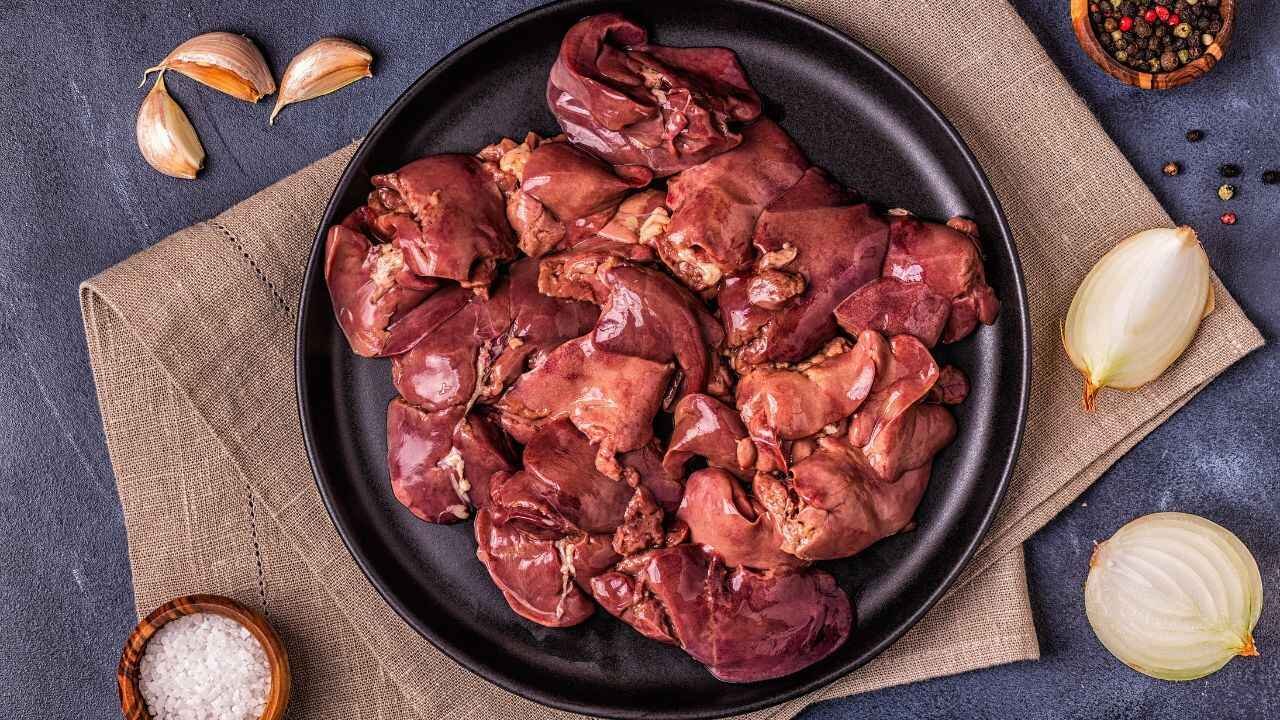
Chicken liver is a popular choice among people who enjoy poultry, but its nutritional value often receives less attention than chicken meat itself. The organ meat contains several vitamins and minerals, including iron and preformed vitamin A, which are important nutrients when consumed as part of a balanced diet.
Iron is one of the reasons chicken liver is considered a nutrient rich food. The body uses iron to produce hemoglobin, the protein in red blood cells that carries oxygen around the body. Adequate iron intake is therefore important for normal energy levels, physical development and several basic body functions.
This does not mean that eating chicken liver automatically treats anemia. Iron deficiency can have different causes, including blood loss, poor absorption and other medical conditions. Anyone diagnosed with anemia should follow appropriate medical advice rather than relying on one food alone.
Vitamin A is another notable nutrient found in liver. It plays an important role in normal vision, immune function and several other processes in the body. Chicken liver contains preformed vitamin A, which is readily available to the body.
The high vitamin A content is also why portion size deserves attention. Unlike some nutrients that the body can more easily remove when consumed in excess, preformed vitamin A can accumulate in the body. Regularly consuming very large amounts can lead to excessive intake. The National Institutes of Health lists 3000 micrograms of preformed vitamin A per day as the upper limit for adults from all sources.
Chicken liver also supplies vitamin B2, or riboflavin. This vitamin is involved in normal energy metabolism and helps the body process nutrients. Riboflavin is one of several B vitamins required for normal cellular functions.
The nutritional profile does not stop with iron and vitamins. Liver and other organ meats can provide a range of minerals, although the exact amounts depend on the type of liver, preparation method and serving size.
For people who enjoy non vegetarian foods, chicken liver can therefore be included as one part of a varied diet. It should not, however, be treated as a special food that can prevent every health problem. Overall eating patterns, portion sizes and individual nutritional needs matter much more than any single ingredient.
Another point worth remembering is that the way chicken liver is prepared can change the nutritional profile of the final meal. Deep frying or cooking it with large amounts of oil, salt or rich sauces can add considerable calories and sodium. A simpler preparation can make it easier to include the food within a balanced meal.
The iron in poultry is also present in a form that the body can absorb relatively well. Meat and poultry contain both heme and nonheme iron, with heme iron generally being more readily absorbed.
Chicken liver may therefore be useful for people looking to add more iron containing foods to their meals, but it should not be viewed as a replacement for medical treatment when a deficiency has already been diagnosed.
Vitamin A also deserves particular care during pregnancy. Excessive intake of preformed vitamin A can be harmful during pregnancy and has been linked with birth defect risks. People who are pregnant should therefore discuss unusually high consumption of liver or vitamin A supplements with a qualified healthcare professional.
The common idea that chicken liver is simply unhealthy is therefore too broad. It is a concentrated source of several nutrients, but concentrated foods also need sensible portions. More is not necessarily better when it comes to nutrients such as preformed vitamin A.
For most people, the practical approach is to treat chicken liver as one nutrient rich food among many. Combining different sources of protein, vegetables, fruits, grains and other foods can provide a wider range of nutrients than depending heavily on any single ingredient.
Chicken liver can be a flavorful addition to meals and can contribute iron, vitamin A and other nutrients. At the same time, its concentrated vitamin A content means that frequent large servings are not advisable for everyone.
The main takeaway is simple. Chicken liver has genuine nutritional value, particularly because of its iron and vitamin A content, but it should be eaten sensibly as part of a varied diet rather than promoted as a cure for health problems.