Brown Rice vs White Rice What Is Truly Better for Health and Weight Loss
Health experts clarify the confusion around brown rice and white rice, explaining their nutritional differences, benefits, and suitability for weight loss, diabetes control, digestion, and everyday balanced diet choices
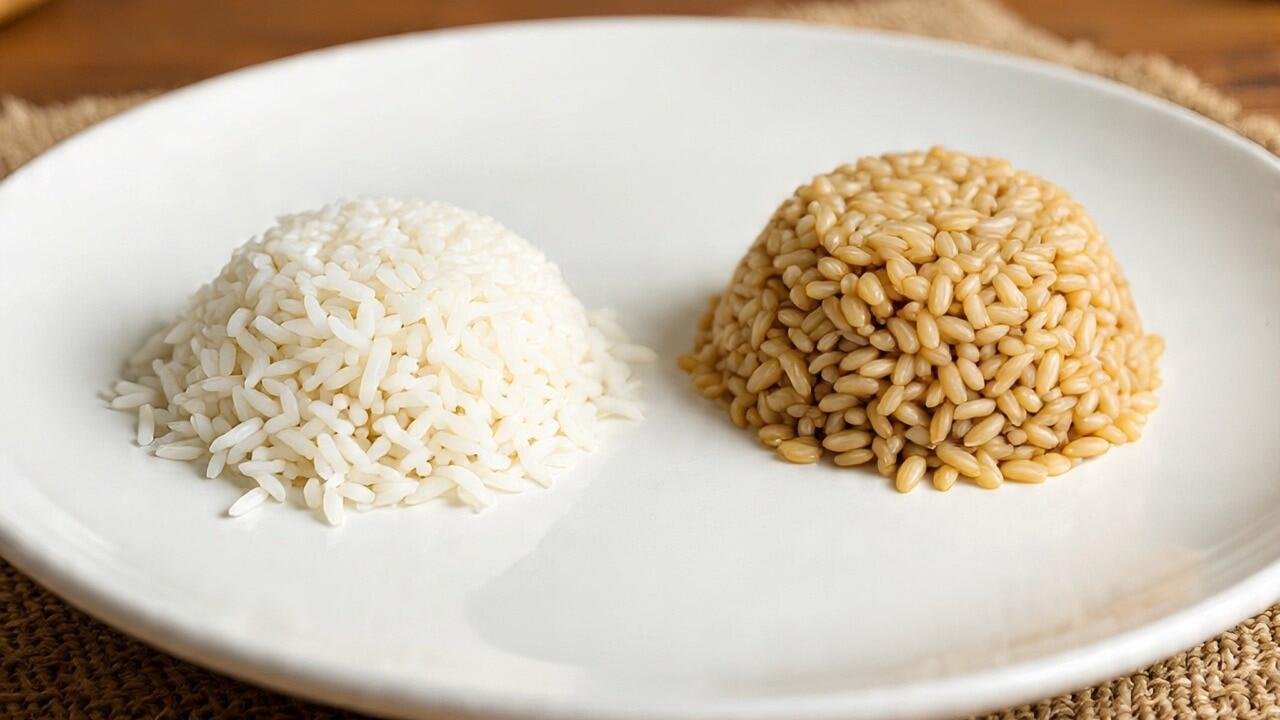
Rice is a staple in Indian households and for many people, a meal feels incomplete without it. But in recent years, food habits have changed as more people focus on fitness and weight management. This shift has created confusion around whether rice should be avoided completely or replaced with expensive alternatives like brown rice.
On social media, brown rice is often promoted as the only healthy option while white rice is blamed for weight gain. This narrative has led many to believe that avoiding white rice entirely is necessary for fitness. However, nutrition experts suggest that the reality is more balanced and depends on individual health needs rather than strict rules.
Brown rice is considered a whole grain because it undergoes minimal processing. The outer layer, which contains fiber and nutrients, remains intact. This makes it richer in fiber compared to white rice. The higher fiber content helps you feel full for longer, which may reduce unnecessary eating and support weight management goals. It also supports better digestion and may help reduce constipation.
For people managing diabetes, brown rice is often recommended because it releases sugar into the blood more slowly. This gradual absorption helps maintain more stable blood sugar levels. It is also considered beneficial for heart health due to its nutrient profile and fiber content.
White rice, on the other hand, is often misunderstood as completely unhealthy. While it is true that polishing removes some fiber and nutrients, it still has its own advantages. White rice is easy to digest and is often preferred when someone has digestive discomfort or is recovering from illness. It also provides quick energy, making it useful after intense physical activity or workouts.
However, white rice has a higher glycemic index, which means it can raise blood sugar levels faster compared to brown rice. This is why portion control becomes important when including it in daily meals, especially for those with metabolic concerns.
Choosing between brown rice and white rice is not about labeling one as good and the other as bad. It depends on personal health goals. If the aim is weight loss, better blood sugar control, or improving heart health, brown rice can be a better option due to its fiber content and slower digestion. If the need is quick energy or easy digestion, white rice can still fit into a balanced diet when eaten in moderation.
Ultimately, the best choice is the one that suits your body, lifestyle, and health condition. Instead of completely eliminating one type of rice, understanding how each works in the body can help you make smarter and more balanced food decisions.