Boiled Eggs Reheating Safety Warning Sparks Concern Over Microwave Risks and Proper Kitchen Practices
Health experts emphasize safe storage and reheating methods for boiled eggs while warning against microwave use that can create dangerous pressure buildup and potential accidents in everyday home kitchens
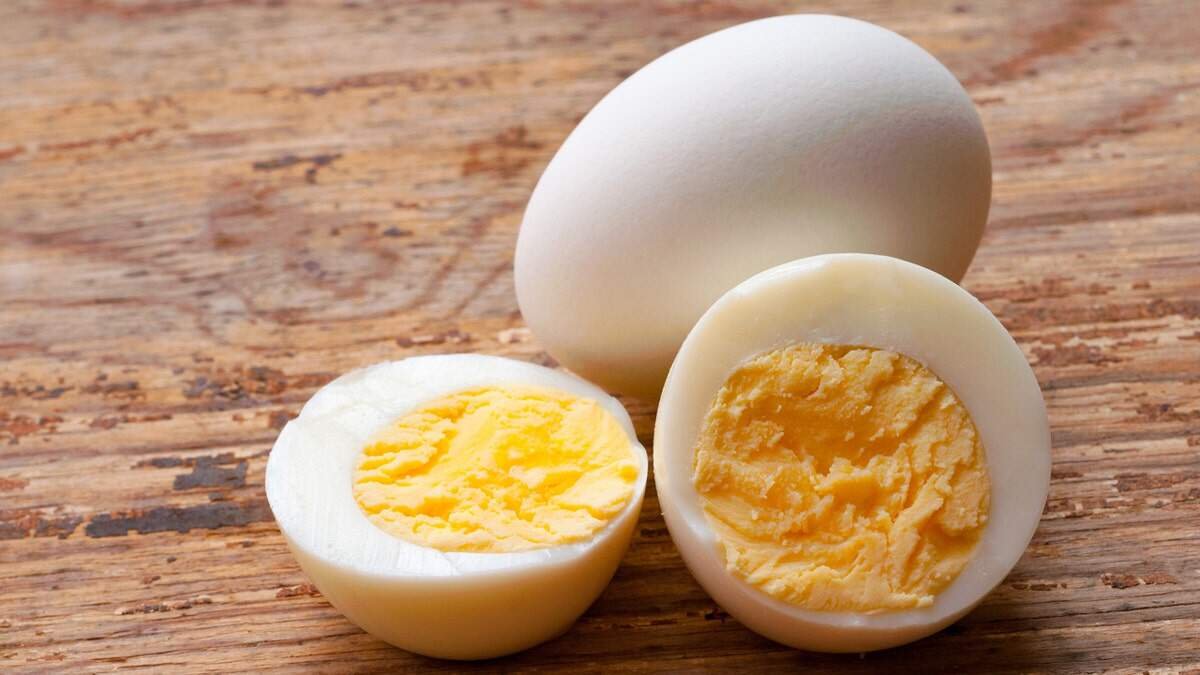
A growing concern among egg lovers is how to safely reheat boiled eggs that have already been cooked and stored in the refrigerator. Many people prefer boiling eggs in bulk to save time during busy mornings, especially those focused on fitness and high protein diets. Eggs remain one of the most affordable and widely consumed protein sources, making them a daily staple in many households.
However, what often begins as a convenient meal prep habit can turn risky when storage and reheating are not handled correctly. Experts point out that boiled eggs should be cooled and placed in the refrigerator within two hours of cooking. When stored properly at low temperature, they can stay safe for several days. Any unusual smell or change in appearance is a clear sign that the egg should not be consumed.
One of the most important warnings shared by food safety specialists is to avoid using a microwave to reheat boiled eggs. The rapid heating process can turn internal moisture into steam while the egg shell or white layer traps the pressure inside. This buildup can cause the egg to burst suddenly, creating a dangerous situation when handled or bitten into.
A safer and more reliable method is to use hot water for reheating. By placing peeled boiled eggs into hot water that has been removed from boiling heat and covering them for several minutes, the eggs warm evenly without losing texture. This method helps maintain softness and prevents the rubbery consistency that often comes from improper reheating.
As daily routines become more fast paced, many households rely on quick storage and reheating habits. But boiled eggs require a bit more care than regular leftovers. With proper refrigeration and safe reheating techniques, they remain a nutritious and convenient food without turning into a kitchen risk.