
Best Foods for Every Skin Type: Build a Diet That Supports Healthy Skin
Dry, oily, combination and acne prone skin can have different needs, but a balanced diet with enough fluids and nutrients can support healthier looking skin.
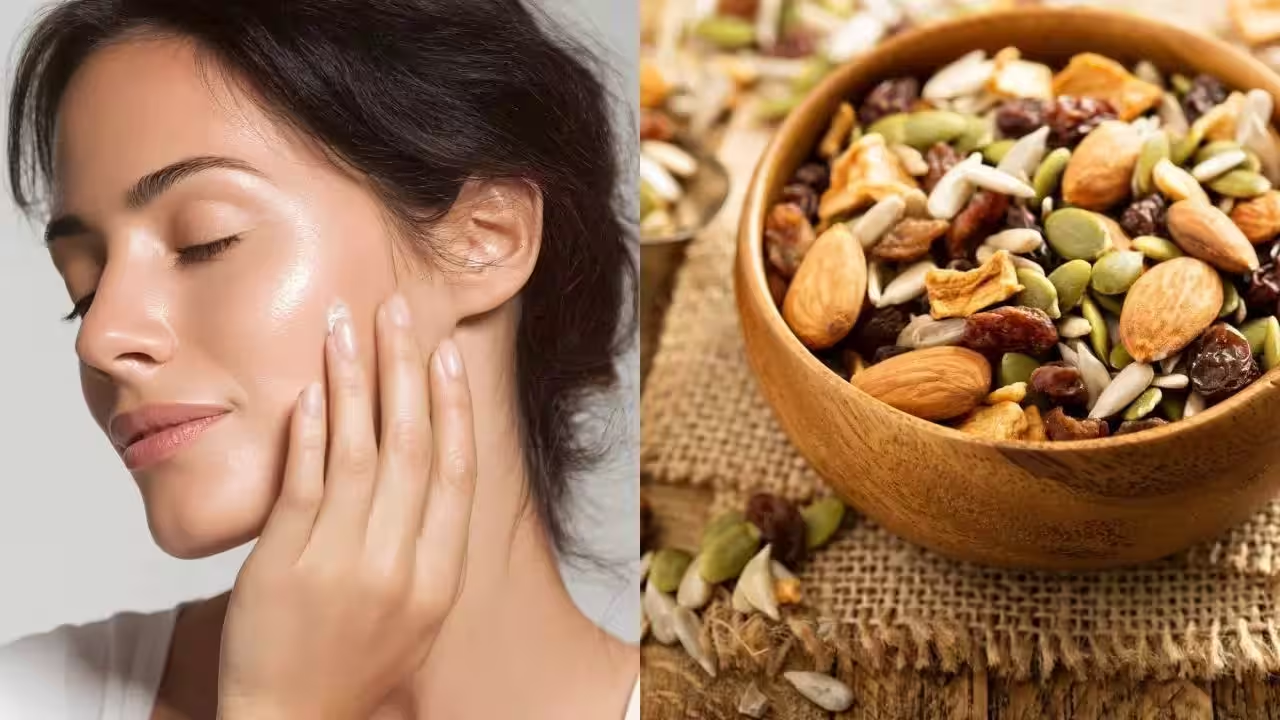
• Dry skin needs hydration and healthy fats.
• Oily skin benefits from balanced food choices.
• Acne prone skin needs nutrient rich meals.
Skin does not behave the same way for everyone. Some people struggle with dryness and tightness, while others deal with excess oil, clogged pores or frequent breakouts. Genetics, hormones, weather, skincare habits and diet can all play a role in how the skin looks and feels.
Food alone cannot fix a skin condition, but everyday eating habits can support the nutrients the body needs for normal skin function. A varied diet that includes vegetables, fruits, whole grains, healthy fats and adequate fluids is a useful starting point.
For people with dry skin, foods containing healthy fats and plenty of water can be helpful additions to the diet. Watermelon can contribute to overall fluid intake, while avocado, olive oil, nuts and oily fish provide unsaturated fats. Vegetables such as spinach, broccoli and sweet potatoes also provide vitamins and other nutrients that support normal skin health.
Oily skin does not mean that all dietary fat needs to be avoided. Healthy sources such as avocado, olive oil, flaxseeds and fish can still fit into a balanced eating pattern. At the same time, reducing heavily fried foods, highly processed snacks and excessive added sugar may be a sensible choice for overall health.
Combination skin can be approached with a balanced diet rather than trying to follow two completely separate food plans. Whole grains such as brown rice, along with vegetables, fruits, lean protein and healthy fats, can provide a range of nutrients without making the diet unnecessarily restrictive.
For acne prone skin, the overall quality of the diet may be more important than one particular food. Fruits, vegetables, lentils, beans, nuts and seeds provide fibre, vitamins, minerals and other nutrients. Some research has also examined links between high glycemic foods and acne, although diet is only one part of acne management.
Hydration is another basic part of skin care. Drinking enough water throughout the day supports normal body functions, although simply drinking large amounts of water will not automatically cure dry or acne prone skin.
It is also worth watching the amount of highly processed food, sugary drinks and foods high in added sugar. These foods can be limited as part of a healthy eating pattern rather than removed completely without a specific reason.
Smoking and excessive alcohol consumption can also affect overall health and may contribute to skin concerns. Avoiding smoking and keeping alcohol intake low can therefore be more useful than relying on a single so called skin food.
Most importantly, diet should not replace medical care. Persistent acne, severe dryness, unexplained rashes or worsening skin changes should be assessed by a dermatologist. If you are considering eliminating major food groups because you suspect a dietary trigger, speaking with a doctor or registered dietitian first can help prevent unnecessary nutritional deficiencies.