Banana vs Orange for Blood Pressure: What You Should Know
Bananas and oranges can both support a heart healthy diet, with bananas offering more potassium while oranges provide vitamin C and other nutrients useful for overall cardiovascular health and wellness.
High blood pressure often develops without obvious warning signs, which is why it is important not to depend on symptoms alone to identify the condition. Regular blood pressure checks are a more reliable way to know whether blood pressure is within a healthy range.
Diet can still play an important role in supporting cardiovascular health. Among the nutrients commonly discussed in relation to blood pressure is potassium, a mineral that helps balance the effects of sodium in the body.
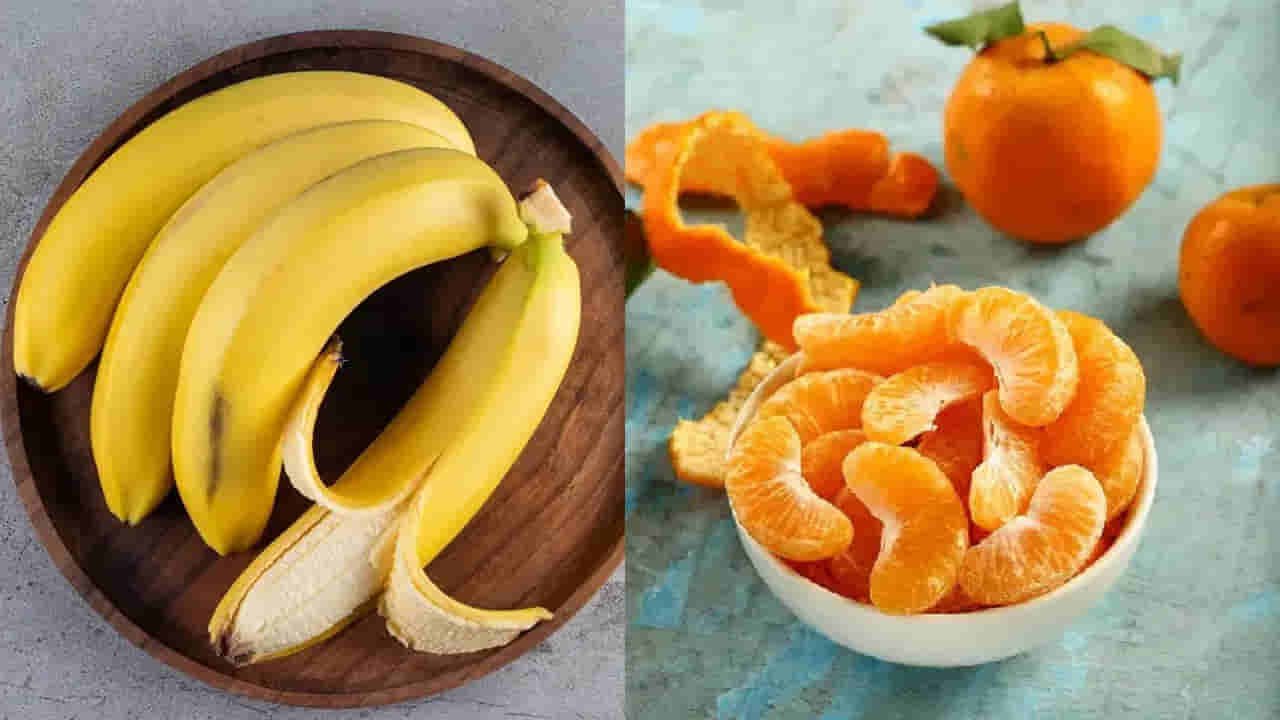
This is where bananas and oranges often enter the conversation. Both fruits are widely available and provide potassium, but they offer different nutritional benefits. Rather than treating one as a medicine for high blood pressure, both can be included as part of an overall heart healthy eating pattern.
Bananas are particularly well known for their potassium content. A medium banana provides roughly 420 milligrams of potassium, although the exact amount can vary with size and variety. Potassium is important for normal muscle and nerve function and plays a role in maintaining healthy blood pressure.
For people who do not get enough potassium from their usual diet, adding potassium rich foods such as bananas can be useful. However, eating a banana does not cause blood pressure to fall immediately, and it should not be considered a replacement for prescribed treatment.
Oranges offer a different nutritional combination. They provide potassium along with vitamin C, folate and other naturally occurring plant compounds. Their water content also makes whole oranges a refreshing fruit choice as part of a balanced diet.
The vitamin C and other plant compounds found in oranges contribute to the fruit’s nutritional value, but claims that eating oranges alone can prevent heart disease or directly treat hypertension should be viewed cautiously.
The biggest difference between the two fruits is therefore not about one being a blood pressure cure. Bananas generally provide more potassium per fruit, while oranges bring vitamin C and several other nutrients to the diet.
Potassium becomes particularly relevant when dietary sodium intake is high. A diet containing plenty of fruits and vegetables can help improve overall dietary quality, while reducing excessive sodium intake is also an important part of managing blood pressure.
The DASH eating pattern, which stands for Dietary Approaches to Stop Hypertension, emphasizes fruits, vegetables, whole grains, beans, nuts, low fat dairy foods and other nutrient rich foods. Bananas and oranges can both fit comfortably into this type of eating pattern.
There is also no need to choose only one fruit. Eating different fruits throughout the week provides a broader range of nutrients. Apples, berries, kiwi, watermelon and other fruits can also be included depending on personal preferences and dietary needs.
Another important point is that blood pressure management involves much more than fruit. Regular physical activity, a balanced diet, appropriate sodium intake, adequate sleep and other healthy lifestyle habits can all contribute to better cardiovascular health.
People who have already been diagnosed with high blood pressure should continue taking medicines exactly as prescribed by their healthcare professional. Changing or stopping medication simply because a particular food is believed to lower blood pressure can be unsafe.
Potassium intake also needs individual consideration. People with certain kidney problems or those taking some medicines that affect potassium levels may need to limit or monitor their potassium intake. Such individuals should discuss dietary changes with a healthcare professional.
For most people, the practical approach is simple. A banana can be a convenient source of potassium, while an orange provides potassium along with vitamin C and other nutrients. Both can be part of a varied diet rather than being treated as competing remedies.
The important message is that no single fruit can control high blood pressure on its own. Building healthy eating habits over time and checking blood pressure regularly are more meaningful steps for long term heart health.