
Amaranth Leaves Are Healthy, But Some People Should Be Careful
Amaranth leaves are packed with nutrients and can be part of a balanced diet, but people with certain kidney conditions or medication needs may require personalised dietary advice.
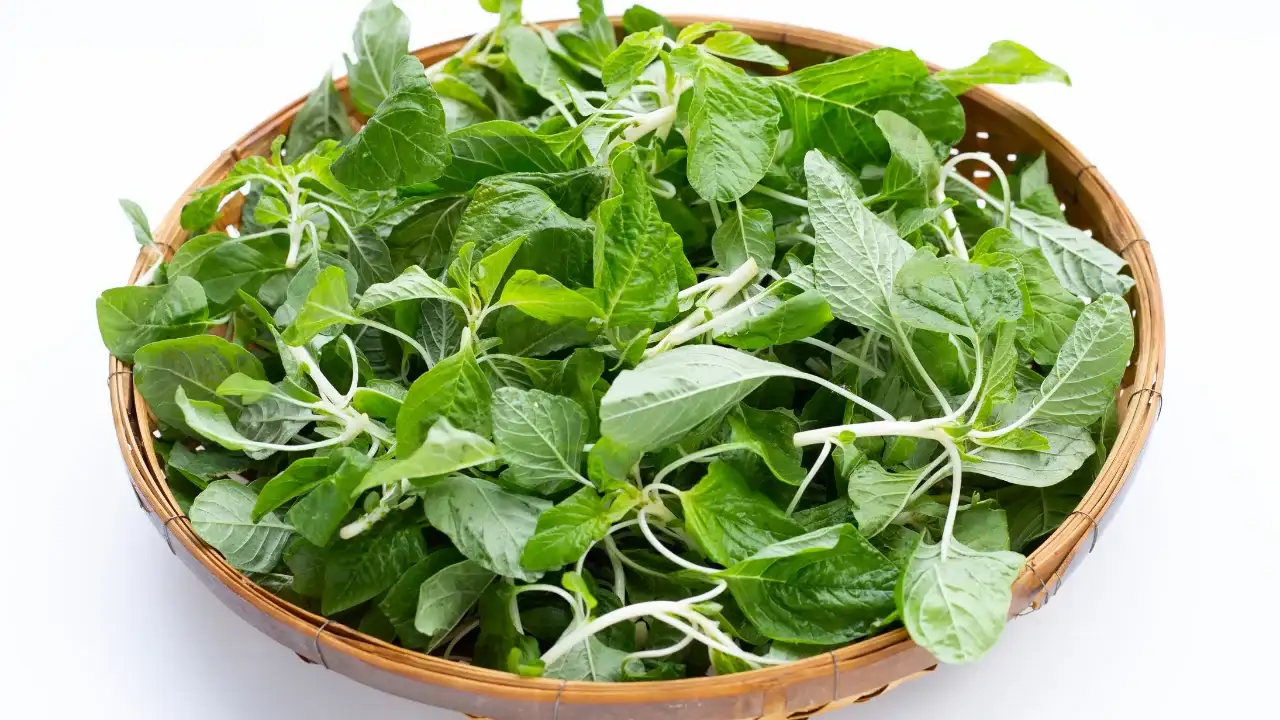
• Amaranth leaves provide useful nutrients.
• Kidney patients may need dietary limits.
• Blood thinner users should check with doctors.
Amaranth leaves are a familiar part of Indian cooking and are valued for their vitamins, minerals and fibre. For most people, leafy greens can be a nutritious addition to meals, but the right amount can vary when someone has a particular medical condition.
People with a history of calcium oxalate kidney stones may need to pay attention to the amount and type of leafy greens they eat. Oxalate is naturally present in many plant foods, and dietary advice for kidney stone prevention depends on the type of stone and the individual’s urine test results. The National Kidney Foundation recommends discussing oxalate intake with a doctor or kidney dietitian rather than avoiding all vegetables.
Kidney disease can also change how much potassium a person should consume. However, it would be inaccurate to say that every kidney patient must completely avoid amaranth leaves. Potassium restrictions depend on kidney function, blood potassium levels, medications and whether a person is receiving dialysis. A kidney specialist or dietitian can provide advice based on those factors.
Another point concerns people taking certain blood thinning medicines, particularly warfarin. Vitamin K plays an important role in blood clotting, and sudden changes in the amount of vitamin K rich foods in the diet can affect warfarin management. Patients taking warfarin are generally advised to keep their vitamin K intake consistent rather than simply eliminating leafy vegetables.
People dealing with gout also need to be careful about broad claims that leafy vegetables automatically raise uric acid. Gout is linked to uric acid and purine metabolism, but major dietary guidance focuses particularly on foods such as organ meats, red meat, seafood and alcohol. Plant based purines do not necessarily carry the same risk, so an individual diet should be discussed with a healthcare professional.
Amaranth leaves can still be a useful food for many healthy adults. The broader evidence on leafy greens supports including a variety of vegetables in a balanced diet rather than avoiding them without a medical reason.
People with digestive problems may also notice bloating or discomfort after eating large amounts of high fibre foods. In such cases, portion size and individual tolerance matter more than assuming that amaranth leaves are harmful.
The key takeaway is that a nutritious food is not automatically suitable in unlimited amounts for everyone. People with kidney stones, chronic kidney disease, gout or those taking medicines affected by vitamin K should get individual dietary advice instead of removing amaranth leaves from their diet on their own.