AIIMS Survey Finds Irregular Periods in One in Five Schoolgirls
An ongoing AIIMS survey of nearly 4000 schoolgirls found menstrual irregularities in about one in five participants, while doctors cautioned that irregular periods alone do not confirm PCOS.
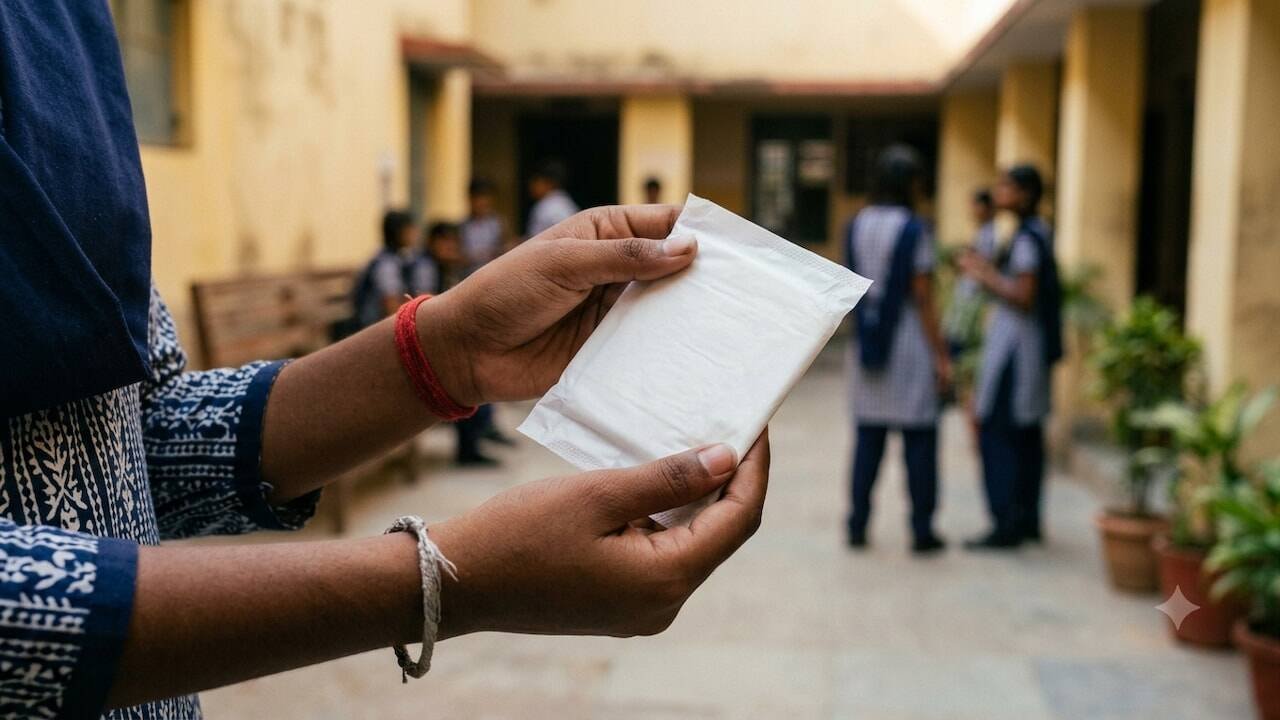
An ongoing survey by the All India Institute of Medical Sciences has drawn attention to menstrual health among adolescent girls after nearly one in five schoolgirls screened reported some form of irregularity. The survey has been running since around 2023 across government and private schools in Delhi and involves almost 4000 students.
The finding has also highlighted an important point for parents and teenagers. An irregular period does not automatically mean a girl has polycystic ovary syndrome. Doctors say menstrual patterns need to be understood according to the girls age, the time since her first period and the presence of other symptoms.
According to AIIMS paediatric endocrinology specialist Dr Rajni Sharma, some variation is expected during puberty, particularly during the early period after menstruation begins. This means that occasional irregular cycles should not immediately be treated as evidence of a medical disorder.
The distinction is important because the survey has not established that one in five girls have PCOS. The figure refers to menstrual irregularity, while further medical assessment is required to determine whether an individual girl meets the criteria for PCOS or another condition.
Doctors also caution against diagnosing PCOS simply because an ultrasound report describes ovaries as polycystic. Such an appearance can occur normally during adolescence and cannot by itself confirm the condition. Persistent menstrual abnormalities together with signs of increased androgen activity, such as excessive facial or body hair or severe acne, may require further evaluation after other possible causes are considered.
Parents should pay closer attention when menstrual problems continue rather than settling down as puberty progresses. AIIMS doctors say that the timing of the cycle matters. Between one and three years after the first period, cycles shorter than 21 days or longer than 45 days can be considered irregular. More than three years after the first period, cycles shorter than 21 days or longer than 35 days need closer attention.
A gap of more than three months between periods at any point after the first year following the first period is another reason to seek medical advice. Persistent irregularity more than a year after the first period, particularly when accompanied by severe acne or excess facial hair, should also be discussed with a doctor.
There can be several reasons behind irregular periods in teenagers. Doctors say thyroid problems, congenital adrenal hyperplasia, high prolactin levels and hormonal conditions can all affect menstrual patterns. Lifestyle factors such as poor sleep, limited physical activity, highly processed food and excessive screen time may also contribute to metabolic health problems associated with PCOS.
The health concerns linked with PCOS can extend beyond periods. The condition can be associated with insulin resistance, obesity, abnormal cholesterol levels, diabetes and fatty liver. Mental health can also be affected, particularly when teenagers experience weight changes, excess facial or body hair, teasing or concerns about their appearance.
This is why doctors say early identification is useful. Finding a possible problem does not necessarily mean starting medication immediately. Instead, medical evaluation can help identify the underlying cause and allow doctors to monitor hormonal and metabolic health over time.
Healthy daily habits are an important part of this approach. Regular physical activity, adequate sleep and a balanced diet containing vegetables, fruits and sufficient protein can support overall health. Doctors also recommend monitoring growth and development rather than focusing only on weight.
The AIIMS findings also show why menstrual health needs to be discussed without unnecessary fear. Teenagers may naturally experience changes in their cycles as their reproductive system matures. At the same time, persistent or significant changes should not simply be ignored.
For families, keeping a record of menstrual dates can make it easier to notice repeated changes and provide useful information during a medical consultation. A doctor can then consider the girls age, menstrual history, physical symptoms and other possible causes before deciding whether further tests are needed.
The survey is still ongoing, so its current finding about menstrual irregularity should not be treated as a final estimate of PCOS prevalence among all adolescent girls. Further assessment is expected to clarify how many participants actually meet the diagnostic criteria for the condition.
The main message from doctors is therefore straightforward. Irregular periods deserve attention when they persist, but they should not automatically be labelled as PCOS. Proper evaluation can help distinguish normal changes during puberty from problems that need medical care.