When to Eat Curd Safely Ayurveda Rules You Should Never Ignore for Better Health
Ayurveda explains that curd should be consumed with care at the right time and in the right way because improper intake may affect digestion, increase mucus related issues and disturb overall body balance leading to long term health concerns
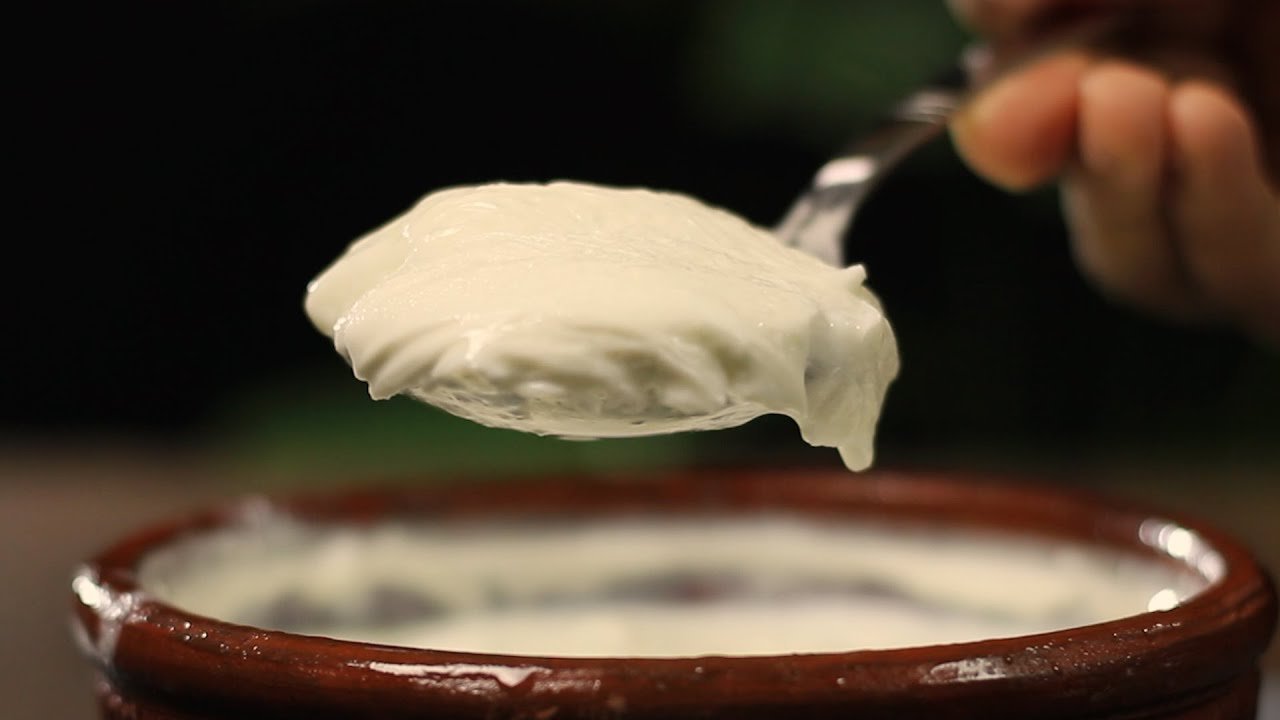
Curd is one of the most common foods in many households and is often seen as a comfort addition to meals. People enjoy it with rice, curries, or even as raita with biryani, believing it cools the body and supports digestion. However, Ayurveda presents a very different perspective. According to traditional experts, curd has a heating nature and should not be consumed casually or in combination with certain foods. When ignored, these simple rules can slowly disturb the body’s internal balance.
Many Ayurvedic practitioners explain that curd takes longer to digest compared to other dairy products. It may be helpful for people who need strength or weight gain, but only when consumed correctly. The wrong timing or combinations can turn this simple food into something that creates imbalance in the body instead of supporting health.
One of the most important guidelines is to avoid heating curd under any circumstances. In many kitchens, curd is added to gravies or cooked dishes, but Ayurveda strictly advises against this practice. Heating destroys the natural beneficial bacteria present in curd, reducing its positive effects and making it harder for the body to process.
Eating curd at night is also considered harmful in Ayurvedic wisdom. During nighttime, the body naturally tends to accumulate mucus or kapha. Since curd is heavy to digest and has mucus increasing properties, consuming it at night can lead to cold, cough, and respiratory discomfort over time. It may feel harmless in the short term, but regular intake at night can slowly affect immunity.
Another important point is that curd should not be part of daily diet. Instead, Ayurveda suggests a healthier alternative in the form of buttermilk. When curd is churned and diluted properly with water and spices like cumin, black pepper, or rock salt, it becomes lighter and more suitable for regular consumption.
Modern eating habits often include fruit yogurt or fruit salad mixed with curd, but Ayurveda strongly discourages this combination. Fruits and curd together are considered incompatible and may interfere with digestion. Over time, this combination can lead to metabolic imbalance, skin issues, and toxin buildup in the body.
Even pairing curd with non vegetarian foods like fish or meat is not recommended in traditional health systems. Many people use curd in marinades or as raita with heavy meals, but Ayurveda warns that such combinations can create digestive stress and unwanted toxins due to conflicting food properties.
Certain groups are advised to be more cautious with curd consumption. People dealing with excess body weight, frequent cold and respiratory issues, or inflammatory conditions may benefit from limiting or avoiding curd. Ayurveda recommends that if curd is consumed, it should be taken occasionally and preferably during daytime, especially around lunch hours, when digestion is naturally stronger.