The Four Muscles That Reveal Your Real Fitness Age and Longevity Potential
Experts say strength in four key muscle groups may predict mobility balance recovery and overall health better than appearance helping people stay active and independent longer.
When people think about fitness, the focus often falls on weight loss, visible muscles, or body shape. However, health experts increasingly believe that true fitness and healthy aging depend on the strength of a few critical muscle groups that often go unnoticed. These muscles can offer valuable clues about how well the body may perform in later years and how effectively it can recover from physical challenges.
According to health and longevity specialists, maintaining strength in certain areas of the body can help people remain active, independent, and physically capable even after the age of 60. Rather than concentrating only on aesthetics, experts encourage individuals to pay attention to four important muscle groups that serve as indicators of overall health and biological fitness.
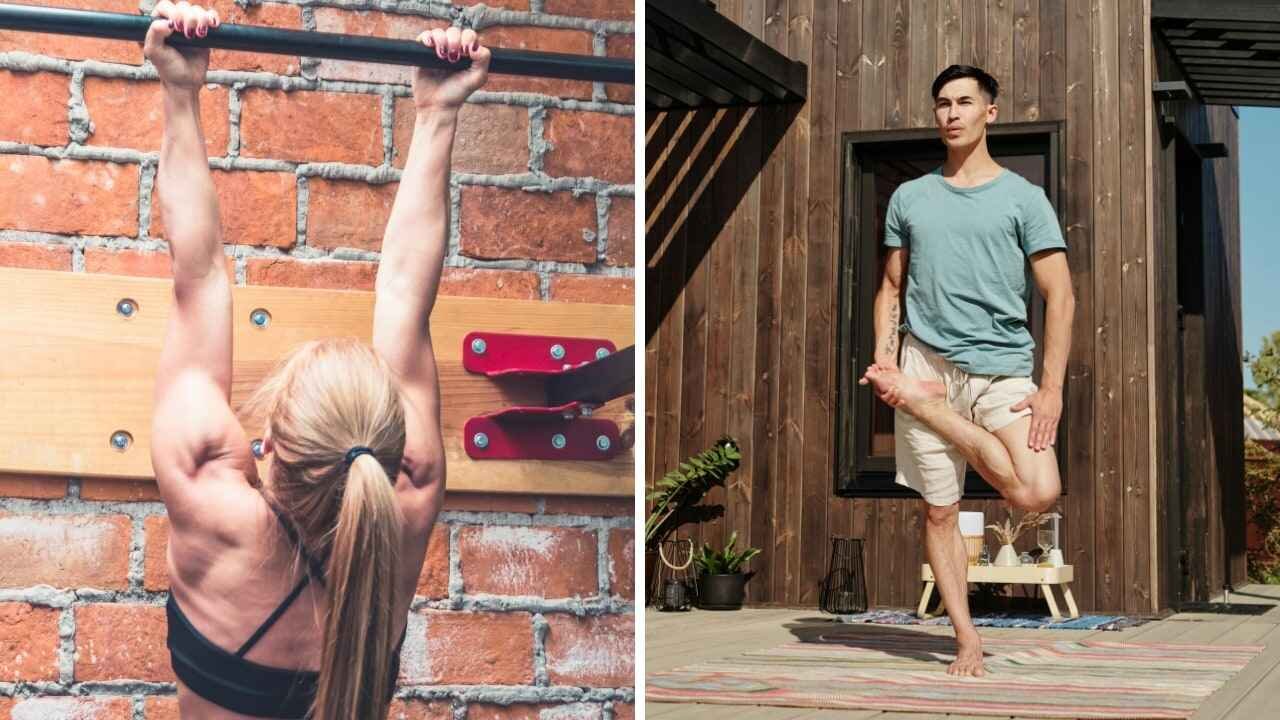
One of the most overlooked yet powerful markers is grip strength. While it may seem like a measure of hand function alone, grip strength reflects the condition of multiple body systems, including muscles, nerves, and cardiovascular health. Researchers have found that weaker grip strength is often associated with a higher risk of health complications later in life. A simple way to evaluate it is by testing how long a person can comfortably hang from a sturdy bar. For many adults under 50, maintaining a controlled hang for a reasonable duration can indicate healthy upper body strength and endurance.
Balance is another essential component of long term health, and this is where the glute muscles play a major role. These muscles help stabilize the body while standing, walking, climbing stairs, and changing direction. As people age, weakening glutes can increase the risk of falls, which can lead to serious health consequences, particularly among older adults. A simple balance test involves standing on one leg with control and stability. The ability to maintain balance without excessive movement often reflects strong lower body muscles and good coordination.
Recovery from illness or injury is also closely linked to muscle reserves throughout the body. Calf muscles, in particular, can provide insight into overall muscle health. Their size and strength often reflect the body’s ability to withstand physical stress and bounce back after health setbacks. Experts suggest a basic self assessment by repeatedly raising the heels while standing on one foot. Consistent performance without fatigue may indicate healthy muscle endurance and lower body strength.
Breathing efficiency is another factor that becomes increasingly important with age. The diaphragm, the primary muscle involved in breathing, is often ignored despite its critical role in overall wellbeing. As people grow older, this muscle can gradually lose strength, affecting lung function and reducing the body’s ability to take deep, effective breaths. A weaker diaphragm may also make it harder to clear the lungs through coughing and can impact physical stamina.
One simple way to assess diaphragm function is by taking a deep breath and holding it comfortably. Individuals who can maintain a steady breath hold for a reasonable period without discomfort may have better respiratory muscle strength. Although this is not a medical test, it can offer a basic indication of breathing efficiency.
Health professionals emphasize that these four muscle groups work together to support mobility, balance, endurance, and resilience. They are often better indicators of long term physical capability than appearance alone. Someone may not have a highly muscular physique, but strong functional muscles can significantly improve quality of life and independence as they age.
Regular exercise remains the most effective way to strengthen these important areas. Activities such as resistance training, walking, balance exercises, stretching, and breathing workouts can help maintain muscle health over time. Even small daily efforts can contribute to better strength, stability, and overall fitness.
Experts say the goal should not simply be living longer but living better. By paying attention to grip strength, glute function, calf endurance, and respiratory muscle health, people can gain a clearer picture of their true fitness level and take practical steps toward healthier aging. Maintaining these key muscles today could make a meaningful difference in staying active and independent for decades to come.