
Smoking Habit? Never Ignore These Warning Signs of Oral Cancer
Persistent mouth ulcers, unusual patches and swallowing difficulties may signal oral cancer. Early detection dramatically improves survival rates, making awareness and timely medical attention absolutely essential.
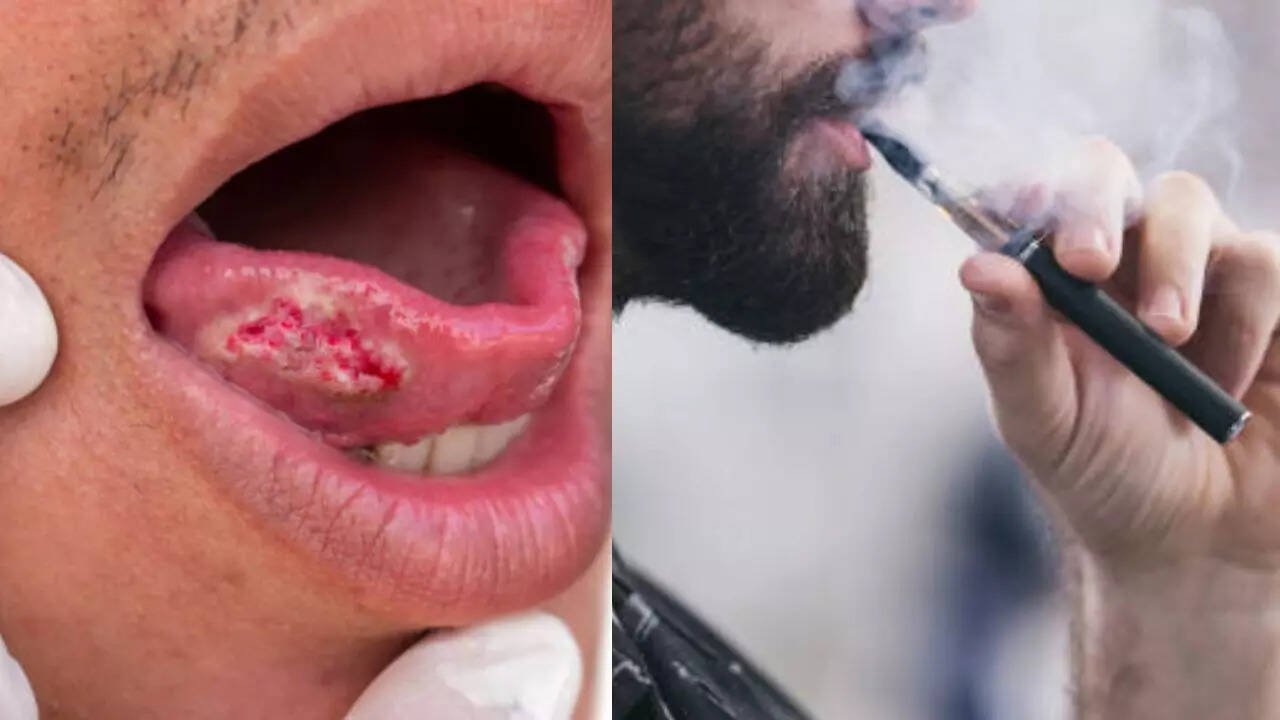
Many people associate tobacco use mainly with lung cancer, but health experts warn that the damage caused by smoking and chewing tobacco extends far beyond the lungs. Oral cancer remains one of the most serious health risks linked to tobacco consumption, and ignoring early symptoms can have life threatening consequences.
Doctors say oral cancer is highly treatable when detected in its early stages. Unfortunately, many patients dismiss initial warning signs as minor infections or routine mouth problems, delaying diagnosis until the disease becomes more advanced. Awareness of these symptoms can make a significant difference in treatment outcomes.
One of the most common warning signs is a mouth ulcer that refuses to heal. Ordinary ulcers typically disappear within a week or two. However, if a sore remains in the same area for more than two weeks, becomes increasingly painful or starts bleeding, it should not be ignored. Medical evaluation is strongly recommended in such situations.
Experts also point to unusual patches inside the mouth as potential danger signals. Thick white patches, known medically as leukoplakia, and red velvety patches called erythroplakia may develop on the tongue, gums or inner cheeks. These conditions carry a higher risk of progressing into cancer and require immediate professional assessment.
Persistent throat pain, difficulty swallowing and unexplained numbness on the tongue can also indicate underlying problems. In some cases, individuals may notice teeth becoming loose without any obvious dental cause. While these symptoms do not always mean cancer is present, specialists advise seeking medical attention if they continue for more than a couple of weeks.
The link between tobacco and oral cancer is well established. Cigarettes, chewing tobacco products and gutka contain dozens of cancer causing chemicals. Continuous exposure to these substances damages the delicate tissues inside the mouth and can gradually alter the DNA of healthy cells. Over time, these changes may develop into cancerous growths.
Health professionals emphasize that prevention remains the most effective strategy. Quitting tobacco significantly lowers the risk of oral cancer and improves overall health. Modern support options such as counseling programs and nicotine replacement therapies have helped many users successfully overcome addiction. According to experts, people who seek professional assistance are far more likely to quit than those trying on their own.
The risk becomes even greater when tobacco use is combined with alcohol consumption. Medical studies have consistently shown that individuals who smoke and drink heavily face a much higher likelihood of developing oral cancer compared with those who avoid these habits.
Doctors recommend performing a simple self examination every month. Standing in front of a mirror and checking the tongue, gums, cheeks and roof of the mouth for unusual changes can help identify potential problems early. Maintaining a diet rich in fresh fruits, vegetables and leafy greens may also support cellular health and reduce damage caused by harmful substances.
Early diagnosis can dramatically improve survival rates. Specialists note that oral cancer detected in its initial stages often requires less extensive treatment and offers a much better chance of recovery. Paying attention to small changes inside the mouth and acting quickly when symptoms appear could ultimately save lives.
Health experts conclude that staying alert, avoiding harmful habits and seeking timely medical advice are the strongest defenses against a disease that is often preventable but can become deadly when ignored.