
Simple Fridge Test Can Help You Detect Adulterated Cooking Oil at Home
Health experts warn that adulterated cooking oils may increase serious health risks, but simple home methods like freezer testing can help consumers identify poor quality edible oils quickly.
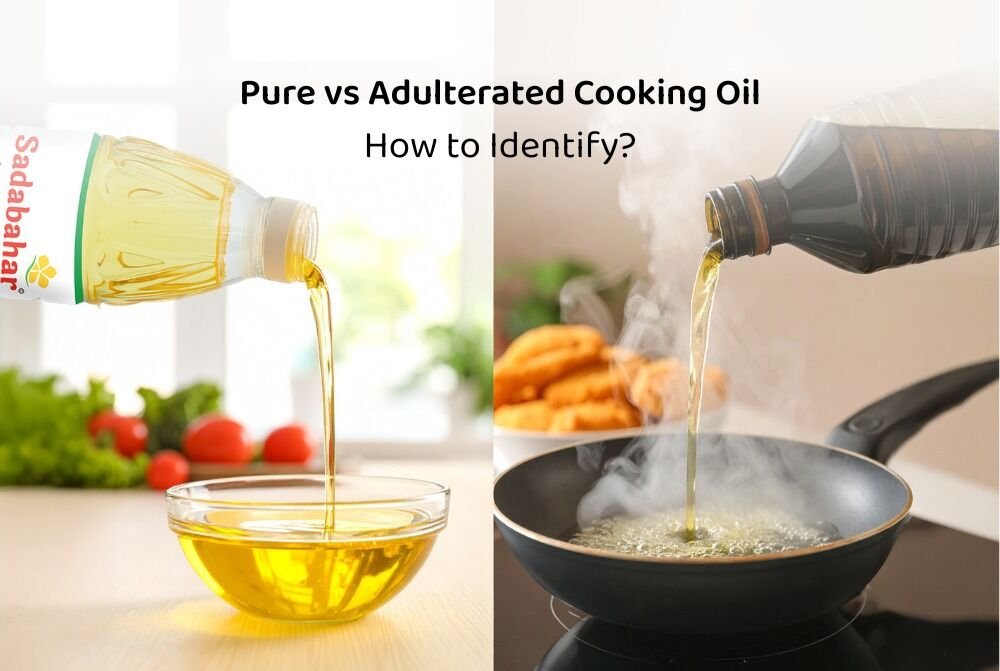
Concerns over adulterated cooking oil are growing rapidly as health experts warn that low quality and chemically mixed oils are silently affecting millions of households. From digestive disorders to long term liver damage, experts say repeated consumption of impure edible oil can create serious health complications. In many cases, consumers may not even realize that the oil used daily in their kitchens contains harmful additives or cheap substitutes.
Food safety specialists say mustard oil is among the most commonly adulterated cooking oils in local markets. Traders often mix cheaper palm oil, mineral oil or artificial coloring agents to increase profits. Some reports also mention the illegal use of synthetic dyes that may pose severe health risks when consumed regularly over long periods.
One of the easiest ways to check oil purity at home is through the freezer test, which has become increasingly popular among consumers. Experts suggest pouring a small quantity of oil into a glass bowl and placing it inside the freezer for around thirty minutes. Once removed, carefully observe the surface of the oil. If a thick white or creamy layer forms, it may indicate the presence of palm oil or low quality fats mixed into the product.
According to food experts, pure mustard oil usually does not freeze or form thick layers easily under normal freezer conditions. This simple test can help families identify suspicious oil without needing expensive laboratory equipment.
Another common sign of adulteration is the unusual presence of artificial color. Consumers can check this by rubbing a few drops of oil between their palms. If the skin develops an unnaturally deep yellow stain that does not wash away easily with soap, it may suggest the presence of chemical coloring agents. Specialists advise avoiding such products immediately because long term exposure to synthetic additives can be harmful.
Experts also recommend paying close attention to smell and taste while buying edible oil. Authentic mustard oil usually has a strong natural aroma that feels sharp and distinct. If the fragrance seems unusually mild, artificial or overly harsh after heating, the oil may not be pure. Changes in texture and smell are often among the earliest warning signs of poor quality products.
Health professionals say consumers should always purchase oil from trusted and certified brands. Checking for proper food safety certification labels and product details on packaging can reduce the chances of buying adulterated products. Oils labeled as cold pressed or raw processed are often considered more reliable when sourced from reputed manufacturers.
Experts further warn against purchasing loose oil sold without proper packaging because the chances of adulteration are significantly higher in such cases. Even small awareness about food quality can help families protect themselves from avoidable health problems.
Doctors believe that being cautious about daily cooking ingredients is just as important as following a healthy diet. Simple home tests and careful buying habits may play a major role in preventing long term health risks linked to adulterated cooking oils.